| As hordes of holidaymakers head for Spain’s popular beaches to soak up the sun the Spanish government is warning that extreme temperatures can be dangerous and is urging caution.
Five regions of the country are still on red alert, with temperatures exceeding 40ºC in many places.
The current heatwave, which is adding to the country’s drought situation, has been caused by the arrival of air currents from Africa which have caused a rise in temperature throughout the Pensinsula, even as far north as Galicia, Asturias and Cantabria.
In Madrid, where residents traditionally try to escape the scorching summer heat, substation transformers have been burning out as more people use their air conditioning units resulting in power cuts across the city.
There have been six heat related deaths so far this year but in 2003, thousands of people died in extreme weather in Spain and the government is anxious not to see a repeat of those figures. Doctors’ surgeries are carrying posters advising people what to do and there are leaflets available in most public buildings advising people to take sensible precautions during the heatwave.
In Andalucía, vulnerable groups are being sent SMS text messages warning them of high temperatures. "The scheme particularly targets the elderly and the infirm living alone, as well as to parents of children aged under four,” health authorities said, “although others can also ask for the service.” In the southern city of Cordoba, for example, residents would be sent a text warning as soon as temperatures hit 41 Celsius (105.9 Fahrenheit).
Spain’s Civil Protection officials have issued a statement advising people to try and stay in shaded, ventilated places, to drink plenty of water and eat fresh food and to wear light clothing and hats to protect themselves from the sun.
The advice from the Ministry of Health and Consumer Affairs is to stay out of the sun between 12 and 5pm.
* Cover Up - with loose, cool clothing to keep the sun off your skin. Wear a hat, preferably with a wide brim and 100% UV-blocking sunglasses * Protect Children - they are particularly vulnerable. Sunburn during childhood can lead to skin cancer later in life. Don't put sunscreen on babies as their skin is extremely sensitive and they may not be able to wash out the chemicals. Keep babies out of the sun completely * Seek Shade - especially during the hottest part of the day, from 10am to 2pm * Use a Sunscreen - SPF 15 or higher on any exposed skin (ears, neck, back of the hands and feet). Use it half an hour before going outside and keep reapplying it generously every couple of hours
Go Native
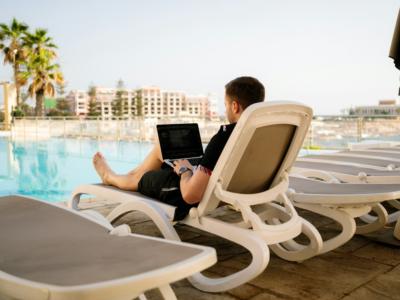
Although it is tempting to get out on the beach or by the pool and stay there all day it is not the way to get the best out of the long summer days. Instead get up early when it’s cool and do any shopping you need, eat small meals and make sure you include lots of salad and fruit to re-hydrate your body. Drink more water than you would normally and avoid too much alcohol if you are sitting in the sun. Have a rest in the afternoon; if you have children try and get them to sleep or at least sit in a cool room with a DVD.
Go out later in the evening; if you turn up at a Spanish restaurant at seven o'clock you'll eat in the stifling heat with other tourists, the locals come out at around ten when it is much cooler. And there's nothing like strolling along the streets in the warm evenings eating ice cream at midnight.
If you need to cool down in a hurry, stick your wrists under a tap. Running water applied directly to the pulse points just draws the heat out of your blood even if the water isn't particularly cold itself. (Bathing your temples and ankles works just as well). The secret? Water conducts heat much better than air.
Meanwhile the Climate Laboratory at Alicante University has warned that there has been a dramatic increase in sea water temperature which this weekend reached 26 degrees in several points along the Costa Blanca. Such high temperatures are generally only seen in August and are often a precursor to fierce thunderstorms.
|