| The group of young volunteers that are currently undertaking an archaeological dig at the Banys de la Reina in Calpe, gradually exhumed a body over the weekend that dates from the fifth century, and which is in a 'precarious' state of conservation.
The excavations in that particular area started in the 90s, and have uncovered a vast amount of Christian materials, but until now it was not thought that the area was inhabited. These latest discoveries of a tomb that had been set in the side of what appear to be an early Christian church, appear to confirm the Banys de la Reina was one of the earliest Christian enclaves in the Valencian Community, dating from the Roman period.
The tomb was covered by what the archaeologists have termed as 'Roman cement', a compacted mixture of ceramic fragments, and it was these fragments that permitted the dating process to be established with relative ease.
However the state of the bones uncovered is said to be "precarious" due to the fact that an underground stream appears to have had its effect on the remains that have now been taken to Alicante University for conservation and further study.
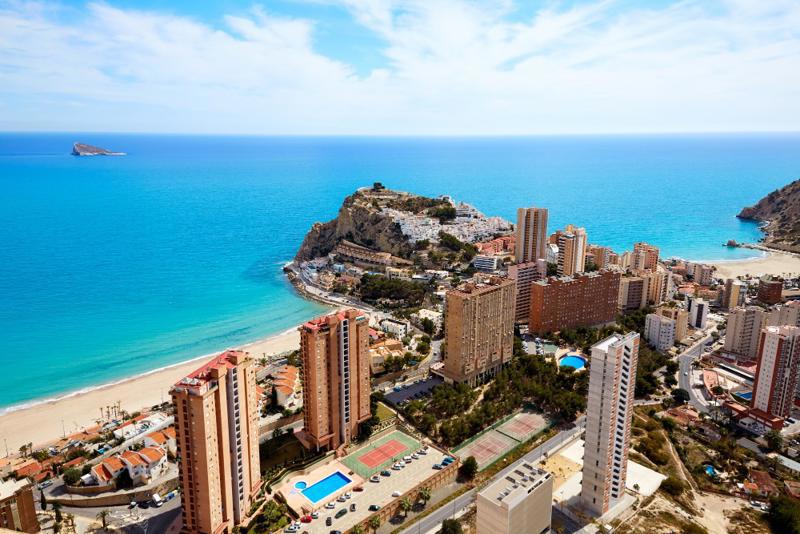
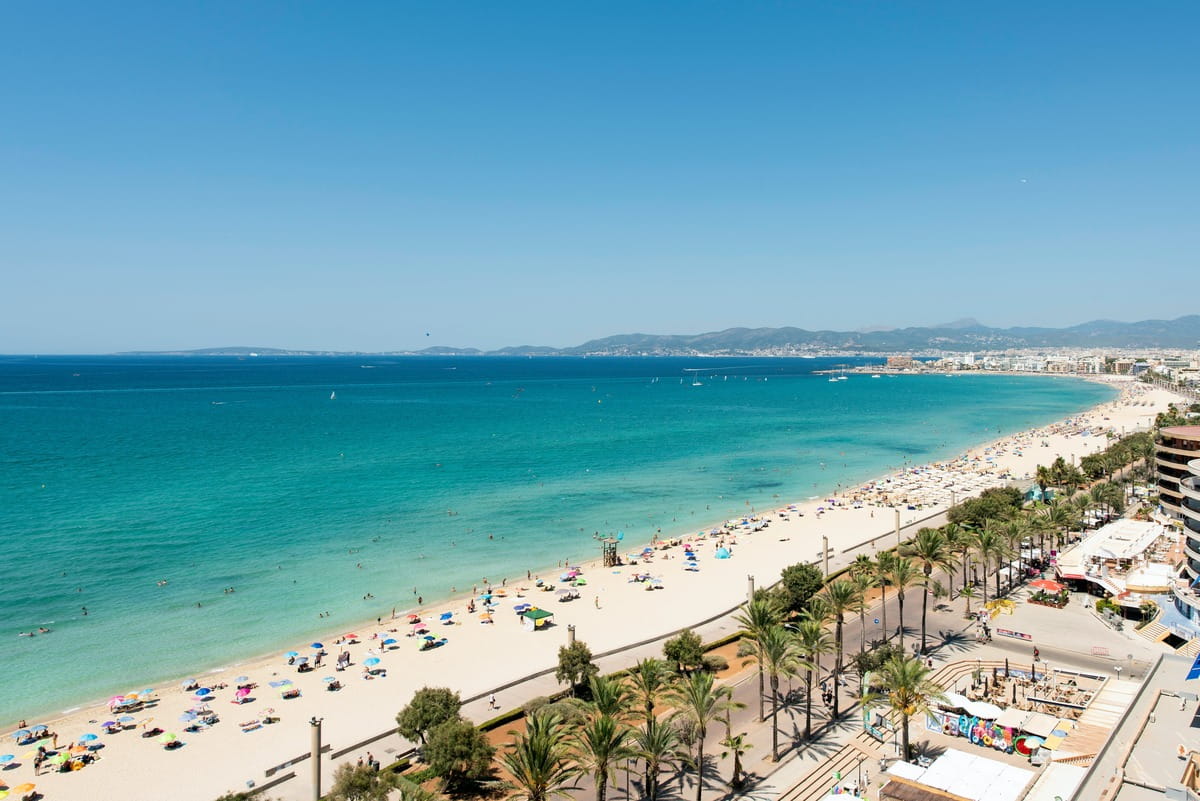
Banys de la Reina is a 5,000 square metre area close to Calpe beach, of which only 25% has thus far been excavated. |