Textbooks to be bought by schools and lent free to pupils, saving parents hundreds
Textbooks to be bought by schools and lent free to pupils, saving parents hundreds
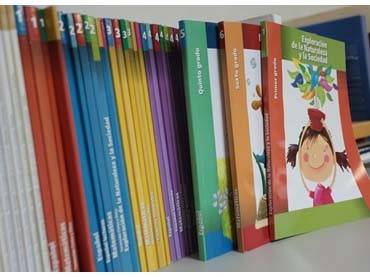
SPAIN'S Parliament has voted almost unanimously in favour of school textbooks being lent free to pupils for the year and then returned to their teachers.
The motion was tabled by UPyD (Unión, Progreso y Democracia, or Union, Progress and Democracy), an independent government party, and looks set to be included in the forthcoming amendment to the education law.
Loans of textbooks free of charge will be guaranteed by legislation for as long as any pupil is in compulsory education, meaning sixth-form pupils, university students and those on professional or vocational training courses will still need to buy their own resource and exercise books.
But the move will ultimately save parents all over the country between 200 and 900 euros per child at the start of every new school year.
With unemployment at record highs and often, both parents being out of work and surviving on next to no income, more and more children have been sent to school this year without the books they need as their mums and dads cannot afford them.
And even before the jobless statistics rose to among the highest in the EU, the cost of buying textbooks for children's school work has always been a bone of contention.
Some schools allow children to use their older siblings' books, but others insist they have new ones, even where they are the same editions.
Others change the set book list every year, meaning these cannot be passed down to younger brothers and sisters.
Although the nationalist parties CiU (Catalunya) and PNV (Valencia) were against the idea because it 'took power out of regional governments' hands' and moved it to the central Parliament, all others were fully in support of UPyD's suggestion, which was based upon a campaign by mother Elena Alfaro, from Madrid,who recently handed the ministry of education a petition with 265,000 signatures.
Each party included their own suggestions, such as prohibiting schools from changing the set book lists for a minimum of five years, and promoting digital resources such as PDF textbooks on tablets, which are easy and free to update.