African street-sellers protest over threat of prison sentences for 'merely trying to survive'
African street-sellers protest over threat of prison sentences for 'merely trying to survive'
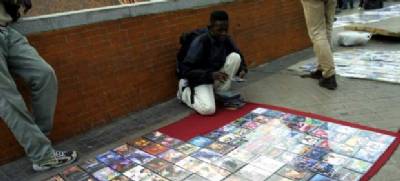
OVER 100 'looky looky' men staged a protest in Madrid outside the ministry of justice this week over a Penal Code reform which means their street-selling activities will now be considered a criminal offence.
Until now, it was classed as a civil offence and the sellers could be fined – and at the decision of some town councils, even customers who bought items from them – but it will henceforth mean a prison sentence of between six months and two years.
They carried banners which read, 'my street-selling is my bread and butter', and 'no human being is illegal', and chanted, “Trying to survive is not a crime.”
The sellers, usually sub-Saharan Africans and frequently Senegalese, say the Penal Code reform will 'aggravate their situation even more'.
Although they say they are criticised by shopkeepers for 'not paying their dues' and therefore presenting 'unfair competition', the street-sellers say they do not earn anywhere near enough from their activities to qualify for paying taxes or Social Security, meaning they have no way of proving they are legally financially independent – a pre-requisite for obtaining residence in Spain for non-EU citizens and for those from the European Union to sign on the Register of Foreign Residents.
As a result, most 'looky looky' men are classed as illegal immigrants – and many have been in this situation for years if not decades.
The demonstrators all belong to the Association of Undocumented Immigrants in Madrid, and say their situation of illegality is hard enough for them without the added worry of facing jail by attempting to put food on the table.
“Our street-selling isn't a crime – it's merely survival,” said Association spokesman Sidi.
“Selling goods in the street isn't exactly a dream job for any of us, but with the recession and the lack of opportunities for work, there is no other way we can eat, or send money home to Africa to help our families there.”
“The government is making us out to be criminals, but we would never, ever, in a million years, attempt to earn a living from crime.
“We don't want to live a life of crime to survive – anything else but, which is why the only way we can in fact survive is by selling in the street.”
Although certain town councils have introduced fines after complaints from residents and tourists about annoying and persistent sellers, people from other towns say 'looky looky' men are no trouble and, at the first sign of lack of interest, move swiftly on.
Residents in Jávea (Alicante), where the council plans to fine anyone caught buying from African street-sellers as well as the sellers themselves, say they fear this will cause problems to tourists who do not know about the local bye-law and would feel upset and intimidated if they were approached by police officers speaking to them in a language they do not understand.
Some residents there say they buy from street-sellers mostly to help them, since they are aware of these men's personal struggles, and cannot see the harm in spending five euros on a sarong, belt or pair of plastic sunglasses if they see one they like.
But Jávea town hall is adamant that by doing this, the customer is 'contributing to a criminal activity' and 'promoting crime' on the streets of the popular and cosmopolitan seaside resort town.
They say police officers will normally warn a person caught buying from a 'looky looky' man and order them to stop the transaction, but will only fine them if they continue with the purchase or are caught a second time.
“We're sorry about their tough situation, but we're a town council, not a charity,” said the press office.
“If you use that argument, one could say prostitution ought to be legalised because the women do it purely to survive as they have a very tough life.”