Changes to speed limits and other motoring rules due for 2015
Changes to speed limits and other motoring rules due for 2015
ROAD traffic law changes due to come into force in the early part of 2015 include speed limit reductions, minimum distances and safety and liability regulations.
Although not yet given the ‘Royal assent’ in Parliament, the motoring legislation will bring down the speed limit on roads in non-built up areas from 100 kilometres per hour to 90km/h where the hard shoulder is at least 1.5 metres (4’11”) wide, and from 70km/h down to 50km/h on roads of less than 6.5 metres (just over 21’0”) wide.
Speed limits in built-up areas will remain at 50km/h, but will fall to 30km/h on single-carriageway one-way streets and to 20km/h on streets where the pavement and road Surface are level with each other.
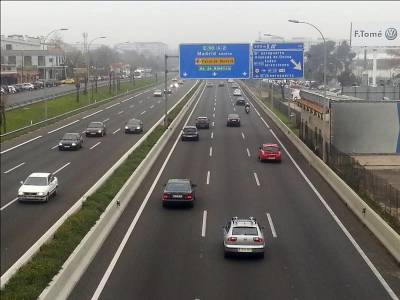
Motorway speed limits will remain at 120km/h but may go up to 130km/h for cars, motorbikes and three-wheeled vehicles on a temporary basis where the section of the highway in question is considered to be in perfect conditions of safety and repair, and the weather is ideal for driving.
Other matters include companions of learner drivers – who, at present, may only be qualified driving instructors in the course of duty and only in a dual-control driving school car – who will be considered 100% liable for any accidents caused by a pupil.
Law changes also affect the use of cycle helmets, obligatory for riders aged 16 or under at all times, and motorcycle and moped helmets, where only approved helmets can be used and riders will no longer be able to refuse to wear them on medical grounds, even if they have a note from their doctor.
When drivers overtake cyclists, they must leave a minimum gap of 1.5 metres (4’11”) alongside them and, if the road is not wide enough to do this, wait behind them.
Seatbelts must be worn at all times and without fail, with no exemptions permitted, and even when parking or reversing, but taxi drivers may transport passengers no taller than 1.35 metres (4’5”) in the back seats without a seatbelt.
Tow-trucks may only occupy the road, as opposed to the hard shoulder, when removing cars which have broken down or suffered an accident, and not for merely transporting vehicles.
Testing for drug-driving has finally been regulated and will become routine along with breathalysing, carried out by taking a saliva sample.
A long list of possible substances which could affect motorists’ ability to drive and can be accurately tested for has been drawn up.
Certain professional bodies, including legal assistance services provided by the European Automobile Commission, the Royal Automobile Club or similar, will be given authorisation to represent drivers in cases brought by them against the General Directorate of Traffic (DGT) or vice versa, in the name of the driver in question.
This will apply in the event of appealing against fines or trying to locate previous ones, checking licence point numbers, ITV or insurance-related enquiries, registration, change of ownership, renewals, and other, similar situations.
The DGT will have a full database of all vehicles’ ITVs – Spain’s answer to a British MOT test – cutting down on bureaucracy as it will be easy to tell at the touch of a button whether or not a car does indeed hold a valid pass certificate.
Cars which are stolen, damaged or have lost their vehicle registration documents due to theft or other fortuitous and unforeseeable incident will no longer have to retake their ITVs.
Vehicle registration documents for cars will also be recorded on the DGT’s central computer system to improve efficiency in administration.