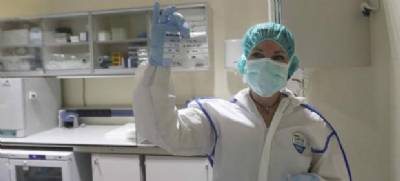
Barcelona DNA bank containing Roman genetic material is a world first
Barcelona DNA bank containing Roman genetic material is a world first
THE world's first-ever 'bio-bank' containing DNA from ancient civilisations has just opened in Barcelona, and includes over 500 samples of genetic material dating back to the Roman and Visigoth eras.
Presented this week by the August Pi i Sunyer Biomedical Investigations Institute (IDIBAPS), which houses the bank, this pioneering project has become possible thanks to help from the Catalunya Institute of Classical Archaeology (ICAC), the Tarragona National Archaeology Museum (MNAT) and the European research scheme, Genetic and Environmental Factors in Obesity and/or Diabetes in Specific Populations (MEDIGENE).
Of the 500 samples which have already been selected and processed, 76 are available to the international scientific community, and all of them come from various necropoles in the province of Tarragona, southern Catalunya, dating back to between the third and seventh centuries AD, meaning they cover the Romans and Visigoths.
The DNA material will allow scientists to investigate the genetic background of ancient civilisations, the impact of nutrition on health and illness on the human body over 13 to 17 centuries, and help them to find out more about the origins of modern-day men and women.
Experts will be able to learn about migratory movements within societies over the centuries and attempt to trace the source of chronic health conditions which are very prevalent today, such as obesity or Type II diabetes.
In total, the ICAC has been able to trace the remains of 2,000 people who lived over 1,300 and up to 1,700 years ago, including Christians, Pagans, and those laid to rest in mausolea or in the open air, and taken dental pieces from 500 deemed suitable for study.
The team hopes to join forces with similar institutions in France and Tunisia to try to obtain samples from archaeological digs in north Africa to complement those found in Tarragona.