MURCIA Region has been extolling its own virtues as a holiday destination for European retirees and 'empty-nesters' at the Active Over 50s' Show in Dublin.
Head of the regional tourism institute Manuel Fernández-Delgado says targeting holidaymakers at the latter end of their careers, already enjoying retirement and with their children either growing up or already having left home was 'a key strategy' for transforming the industry in Murcia, particularly as it enables the region to extend the summer season from May to September inclusive, as this age group rarely has to try to fit in foreign breaks with school holidays.
And the over-50s tend to have a higher level of disposable income, says Fernández-Delgado, meaning they spend more in restaurants, shops and on transport for day trips.
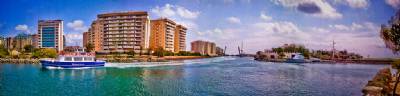
For those well into retirement and starting to feel the effects of ageing, Murcia's coast has long been a popular destination – the inland sea, the Mar Menor is warmer than that of any other beach on the mainland and is known for its high mineral properties, which middle-aged and elderly tourists find eases joint pain and arthritis.
The tourism boss says Murcia Region is working on specially-designed excursions to suit the over-50s, with 'adapted' versions for pensioners who are struggling with movement.
Organised partly by Spain's national tourist board, Turespaña, the fair included interviews with potential job candidates seeking work in Murcia Region over the long summer.
A brochure in several languages was published ahead of the fair, describing the attractions of Murcia as a holiday destination and different types of package and activities aimed at different segments of the market.
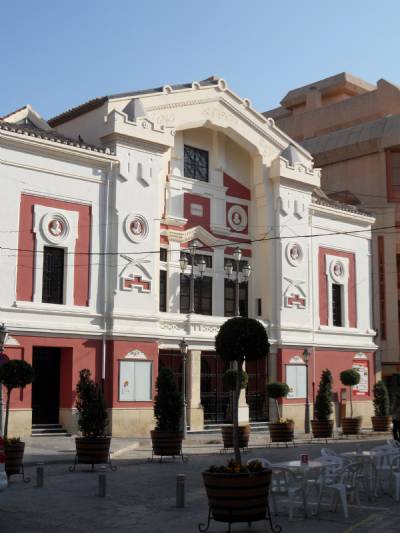
It emphasised the excellent weather, the Costa Cálida – which literally translates as 'the warm coast' – and the Mar Menor, city breaks in Murcia itself and in Cartagena, wine tours to well-known vineyard districts such as Yecla and Jumilla, the region's wealth of spa complexes, its cuisine, 'active' holidays and arts and entertainment.
Murcia authorities arranged meetings with some of Ireland's main tour operators, most of whom were already familiar with the region thanks to a 'discovery visit' organised by the Tourism Institute in April.
Last year's Active Over 50s' Show saw 18,000 people attending and 205 stands set up, including hotel chains and independent hotels, travel agencies, and Irish tour operators.
A total of 30,000 holidaymakers aged over 50 visited Murcia Region in 2014, with over 205,000 hotel, villa and apartment overnight stays recorded.
The average trip was seven days, the national tourist board reveals.
As for Irish tourists in Murcia, they increased in number by 73.7% in 2014 with a total of 30,500 visitors, and in the first eight months of this year, 25,630 Irish nationals had travelled to Murcia – an increase of 10.1% on the same period in 2014.
They did not stay as long last year as in previous years – an average holiday was 8.7 days long in 2014, compared with 12.7 days for other foreign tourists, which was also reduced by 10.3% from figures recorded in 2013.
But last year saw Irish holidaymakers spending more in Murcia Region – their daily expenses rose by 24% in 2014 to a total of €91.84, comparing favourably with other non-Spanish visitors who spent €85.70 a day.
The total expenditure in 2014 by Irish tourists in Murcia Region on accommodation, transport, food, eating out, entertainment, excursions and souvenirs was double that of the previous year, reaching a healthy €24.4 million.