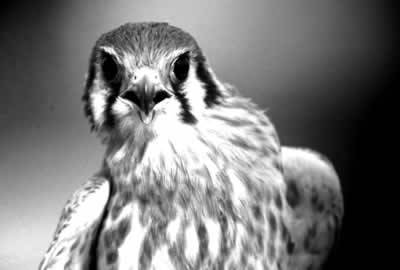
Although Montgó is right on our doorstep we often take for granted what a rich and diverse habitat it provides for thousands of species. But keeping this park as a safe haven for wildlife and monitoring the animals and flora that live on the mountain needs plenty of determination. One of the projects that has been underway since last year is a scheme to observe and chart the many birds of prey that live in the craggy tops. During the cold nights of December and January groups of volunteers went into the mountain range to listen out for the Eagle Owl and the Tawny Owl. By observing the rocks that they inhabit, Bonelli's Eagles, Peregrine Falcons and Kestrels were monitored and the mating season of each species recorded. As a result of these observations, it has been discovered that there are eight species of birds of prey in the Montgó Natural Park that are breeding. Four of these species are nocturnal (Eagle Owl, European Scops Owl, Tawny Owl and the Little Owl) and the other four diurnal (Goshawk, Peregrine Falcon, Kestrel and Sparrow-hawk). There are also signs that indicate the presence of other species (night-time flights, examples that have been spotted during the correct season, etc.) Although there is no concrete evidence as yet, it is probable that Buzzards, Short-toed Eagles and the Eleanora's Falcon will also reproduce in the Montgó park. These birds are natural predators and their presence shows that there is a good food supply. The fact that they are breeding means that their habitat is relatively undisturbed. However in this modern world some disturbance is inevitable and this is most destructive during the mating season. The existence of power cables that they often fly into plus pesticides that contaminate the food chain are some of the problems facing the birds, this is apart from hunters, which always pose a threat. In general terms the surveys are showing that the populations of birds of prey are well structured. The councils that govern this park are conscious of the importance of protecting the area and have begun a programme to research the small mammals and carnivores in order to discover their number in relation to the existing plant life. This will enable further improvements to be made in the methods of conservation and maintenance of the bio-diversity in the Nature Reserve.