9 min read
Spain, a country celebrated as much for its food lifestyle as for its rich culture, offers a culinary adventure for those who call it home. For expats settling in this beautiful nation, the journey through its food culture can be equally thrilling and challenging. Spanish cuisine is rich with regional specialities, shaped by the unique geographical features and deep-rooted traditions of each area.
This article explores the core of Spain’s food culture, providing insights into regional cuisine, culinary customs, and the essential elements that define how Spain’s lifestyle revolves around food. From savouring tapas in an ‘Aperitivo’ to partaking in the cherished tradition of Sunday paellas, we will uncover the authentic flavours and communal spirit that make Spain’s culinary lifestyle so enchanting. If you are looking to discover which dishes best represent Spain as a country read our article on Spain's national dishes.
Regional diversity of Spanish food
Spain's regional dishes are extremely diverse and a defining feature of Spanish cuisine. Each region boasts its own unique specialities, reflecting the local climate, terrain, and cultural heritage. These contributions create a rich mosaic of flavours and culinary techniques, giving Spain one of the most varied cuisines in the world:
Food from coastal Spain
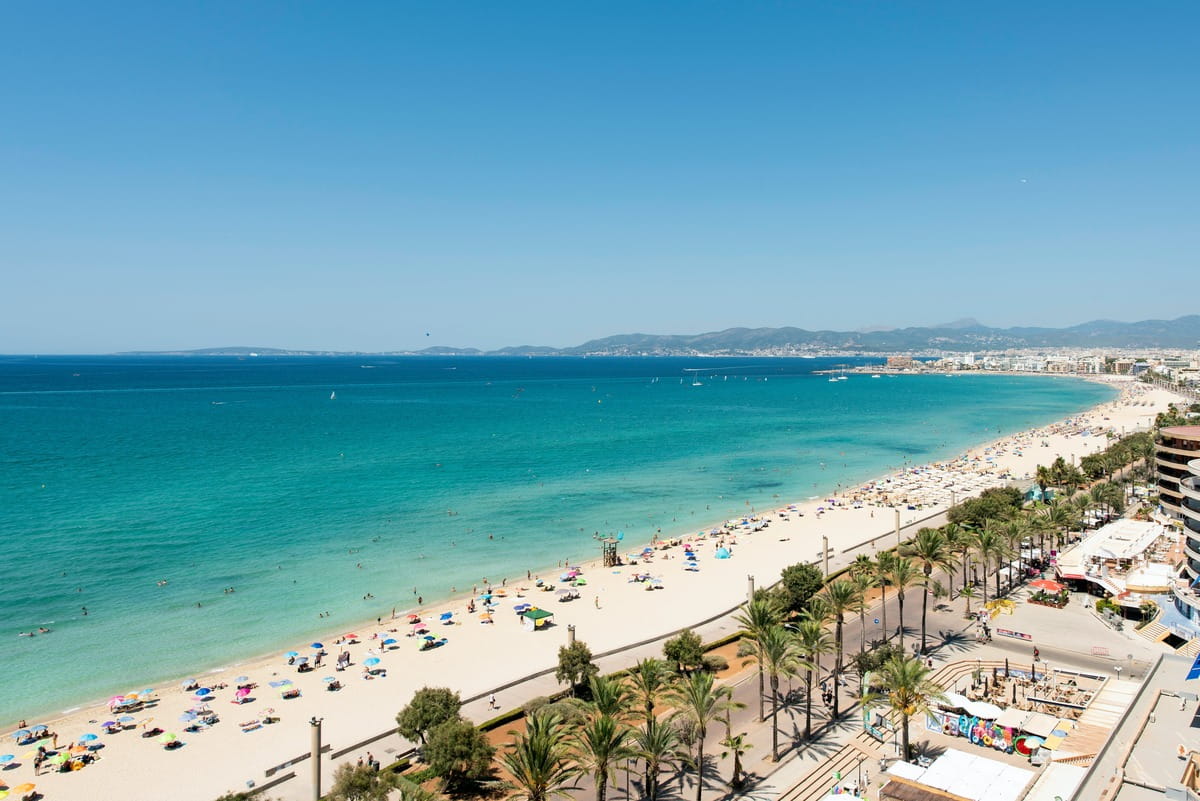
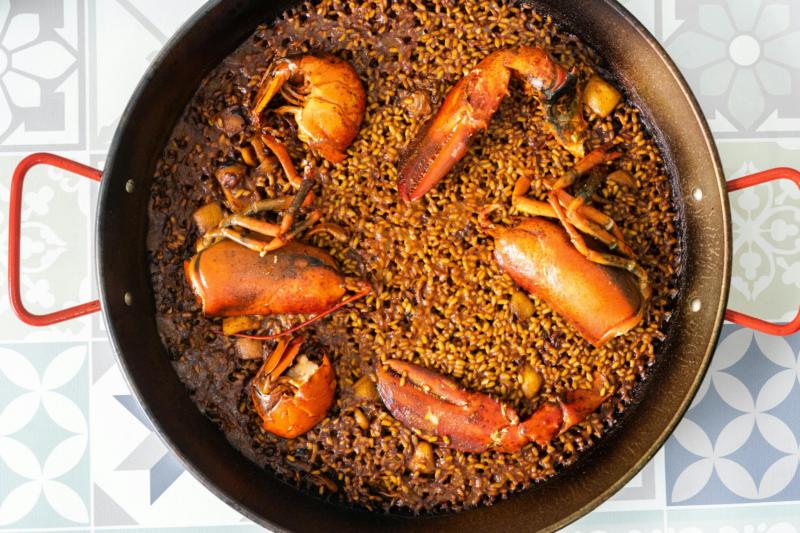
The coastal regions of Spain, bathed in the warm Mediterranean sun, are renowned for their fresh seafood and colourful fruits and vegetables. Dishes often feature a variety of fish, shrimp, and octopus, and the iconic paella originates from the coast of Valencia. Coastal areas also embrace tapas culture, with small, flavourful seafood-based snacks like chipirones (baby squid) and boquerones (anchovies) in vinegar or olive oil.
Food from northern Spain
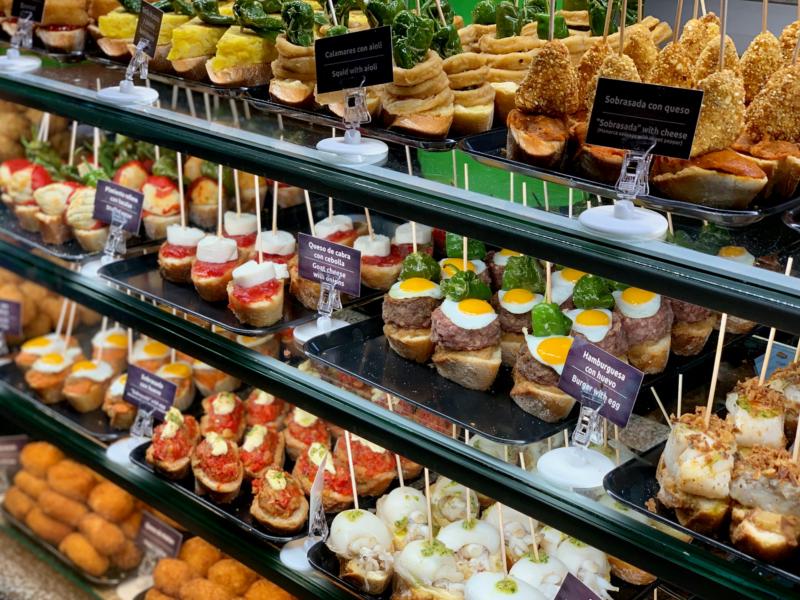
The northern regions of Spain, with their lush green landscapes and cooler climate, are known for their hearty stews and rich, flavoursome dishes. Galicia is famous for its Pulpo A Feira (octopus with paprika and olive oil), while Asturias boasts fabada Asturiana. Fabada is a rich and delicious bean stew, originating from Asturias and is considered the ultimate comfort food. It is made with white beans, chorizo, morcilla (blood sausage), and pork fat, and is typically served hot with crusty bread. The Basque Country offers an incredible array of pintxos: small and diverse snacks mounted on small slices of bread that often include local seafood.
Food from central Spain
The heart of Spain is characterised by its vast plains and continental climate, leading to robust and hearty dishes. Castile and León are known for their roasted meats, such as Lechazo asado (roasted lamb), and Madrid offers Cocido madrileño, a rich chickpea-based stew with various meats and vegetables.
Food from southern Spain
The warmer, sunnier regions of southern Spain are celebrated for their light, fresh cuisine. Andalusia, in particular, is famous for gazpacho, a refreshing cold tomato and cucumber soup. Tapas culture thrives here, with offerings like jamón ibérico, olives, and gambas al ajillo (garlic shrimp) reflecting the region's emphasis on simple yet exquisite ingredients.
Food from the Balearic Islands
Situated in the Mediterranean Sea, the Balearic Islands offer a unique blend of Spanish and Mediterranean flavours. Fresh seafood, locally grown vegetables, and aromatic herbs dominate the cuisine. Dishes like ensaimada, a sweet pastry, and caldereta de langosta, a rich lobster stew, represent the islands' culinary traditions, shaped by their maritime heritage and Mediterranean climate.
Food from the Canary Islands
Located off the northwest coast of Africa, the Canary Islands have a distinctive cuisine influenced by their volcanic soil and subtropical climate. Staple foods include gofio (a type of flour made from roasted grains or corn) and papas arrugadas (wrinkled potatoes) served with mojo sauce, a blend of olive oil, garlic, vinegar, and peppers. Fresh fish and seafood are also prominent, often cooked in simple yet flavourful ways to highlight their natural taste. Exotic fruits like bananas, papayas, and mangoes are abundantly grown and frequently incorporated into the local dishes.
Characteristics of Spanish food culture
Spanish cuisine has several unique characteristics that set it apart from other culinary traditions around the world:
- Late dining: Spaniards typically eat their meals later than many other Europeans. Lunch, the main meal of the day, is usually eaten between 2 pm and 4 pm, while dinner is often not served until 9 pm or later.
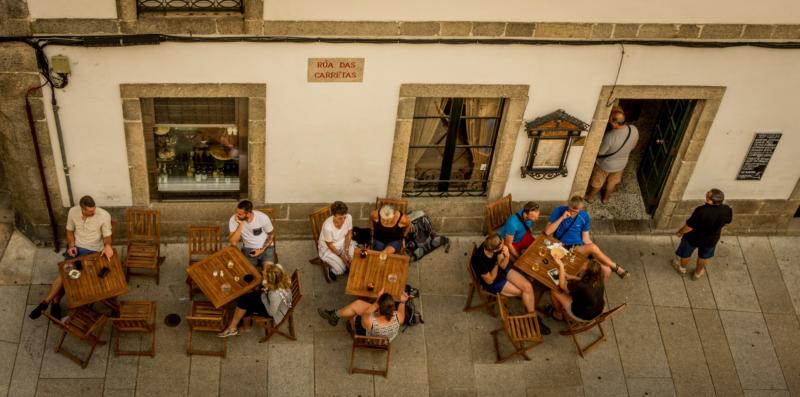
- Social dining and drinking: Food plays a central role in Spanish social life. Meals are often shared with family and friends, and dining out is a common pastime. Tapas bars are a popular gathering spot, where people can enjoy small bites and drinks while socialising. The Spanish don’t typically socialise ‘to drink’, as done in other European countries, unless it is after dinner in a pub or a club. Drinking during the day is normally always accompanied by some form of food or enjoyed with a meal.
- Seasonal eating: Spanish cuisine places a strong emphasis on seasonal ingredients. Menus often change to reflect the availability of fresh produce, ensuring that dishes are made with the best ingredients at their peak flavour.
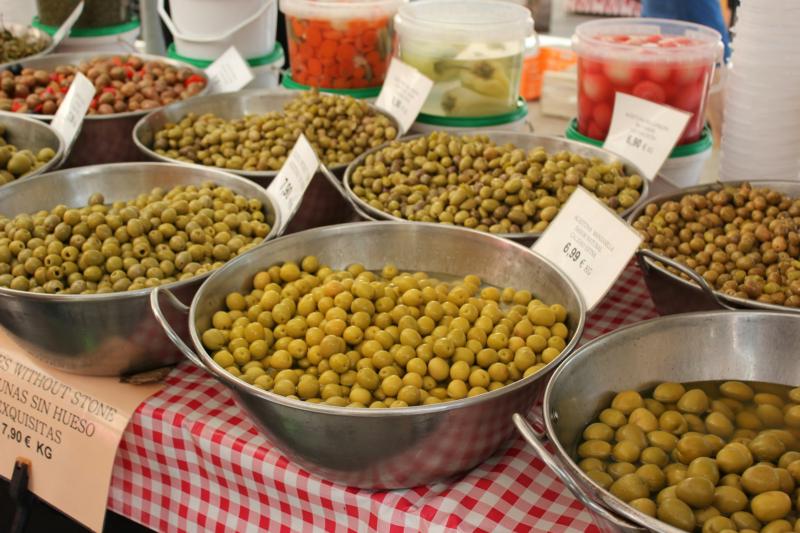
- Tapas, a culinary adventure: Tapas are a fundamental aspect of Spanish culture, providing a delightful way to sample diverse flavours while socialising with friends and family. These small, savoury dishes range from simple snacks like olives and cheese to more substantial creations such as patatas bravas (spicy potatoes) and gambas al ajillo (garlic prawns). The endless variety and the opportunity to explore an array of flavours make tapas an essential culinary adventure. Tapas can be enjoyed as a pre-dinner snack or as part of a more extensive meal.
- Regional pride: Spaniards are fiercely proud of their regional culinary traditions. Each region has its own unique specialities, and there is a strong sense of competition between regions when it comes to food. Learning about your region's food is a great way to start integrating into your community.
- Sobremesa: A cherished Spanish custom, the ‘sobremesa’ extends meal times into hours of conversation, often held in the same spot after eating. These unhurried social chats foster deeper connections and are cherished moments for sharing stories and building relationships.
- Savouring coffee as a social ritual: Forget the quick espresso shots often downed on the go; in Spain, coffee is meant to be enjoyed slowly and in good company. Whether you're catching up with a friend or relaxing after a meal, coffee is treated as an opportunity to pause and engage in animated conversation.
- Spanish cafes are ideal settings for these leisurely coffee breaks, where spending at least 20 minutes over a cup is the norm. This custom of savouring coffee epitomises the broader Spanish approach to life: taking time to enjoy the little moments that bring people together.
- Olive oil, the liquid gold: Olive oil, often referred to as liquid gold, is a cornerstone of Spanish cuisine: expect to see it everywhere. Spain is the world’s largest producer of olive oil, and it is used generously in cooking. Its rich, robust flavour enhances a wide range of dishes, from salads and vegetables to meats and seafood. The health benefits of olive oil, including its high content of healthy monounsaturated fats and antioxidants, make it a prized ingredient in the Spanish diet.
Spanish eating habits
Spanish meal schedules are generally characterised by multiple and late meal times and a focus on fresh, seasonal ingredients. In Spain, the day generally consists of five meals and perhaps a sixth on the weekends. Not all Spaniards stop for all of them but many will have their custom as to which ones they never miss. For example, some may skip breakfast to enjoy the Almuerzo or some may enjoy the Almuerzo and skip lunch... And then there are some who never skip any!
- Desayuno (Breakfast): Breakfast in Spain is usually light and occurs in two parts. The first breakfast takes place between 7–9 AM and typically consists of coffee, juice, and perhaps a pastry or toast.
- Almuerzo (Mid-Morning Snack): This occurs between 9.30–11 AM and can be considered more substantial than breakfast. Traditionally, it involves eating a bocadillo, a type of sandwich made with Spanish bread and filled with ingredients like ham, cheese, chorizo, beef, pork, chicken, sausages, black pudding, tortilla or practically anything you can imagine. This snack helps bridge the gap between breakfast and a late lunch. For a foreigner who is not used to this, he or she could call it a ‘brunch’ and skip lunch altogether.
- Aperitivo (pre-meal): Normally before a long lunch but mainly on the weekend - many people enjoy aperitivos. The aperitivo is normally comprised of small tapas servings or appetisers such as pintxos (snacks mounted on small slices of bread). The snacks are paired with a drink and enjoyed before sitting down for the main meal. It is common to enjoy the 'Aperitivo' in a different venue to the one where the main meal will be eaten.
- Comida (Lunch): This is the main meal of the day and usually happens between 2 and 3:30 PM. Lunch is a substantial affair that often includes multiple courses, such as a starter (soup or salad), a main course (fish, meat, or a rice dish), and dessert or coffee. Spaniards typically take a long break for this meal, enjoying it at a leisurely pace.
- Merienda (Mid-Afternoon Snack): Around 5–6:30 PM, Spaniards often have a light snack to tide them over until dinner. This could include pastries, sandwiches, or a piece of fruit.
- Cena (Dinner): Spanish dinners are lighter and usually occur later in the evening, from 9 PM to midnight. Dinner might include simpler dishes such as fresh fish, seafood, an omelette, or a light salad.
Spanish cuisine is more than just food; it’s an integral part of the culture and everyday life, inviting relaxation, socialisation, and enjoyment through various meals. Whether it's the light, hurried breakfast, the multi-course lunch, the essential late-afternoon snack, the light but delicious dinner, or the indulgent late-night treats, Spanish dining is an experience that engages all the senses and brings people together.
Spain offers customs that enrich the living experience and provide valuable lessons for enjoying a happier, more fulfilled life. By embracing the outdoor lifestyle, flexible meal times, sharing tapas with friends, taking leisurely coffee breaks, cooking with high-quality ingredients, including all age groups in activities, and maintaining a positive outlook, you can capture the essence of Spanish happiness. On your next visit to Spain, immerse yourself in these traditions and discover the joy that comes from living life the Spanish way. If you are already sold, why not take a look at some other articles about moving to Spain?

Last updated: 04/12/2024
Was this article useful?
Related Topics
Related Articles