- Where do most expats live in Valencia?
- Areas becoming more popular with expats in Valencia
- What are the best neighbourhoods in Valencia for families?
- What is the most expensive area in Valencia?
- What is the safest neighbourhood in Valencia?
- Where are the quietest areas in Valencia?
- Which neighbourhoods are best for international schools?
- Final thoughts for expats
10 min read
With some of the best weather in the country, a lower cost of living compared to Madrid and Barcelona, and an unparalleled Mediterranean lifestyle, it’s no secret why Valencia has become a magnet for foreign property buyers and renters. Whether you are a digital nomad seeking a vibrant cultural scene, a retiree looking for seaside tranquillity, or a family wanting excellent schools and green spaces, Spain's third-largest city has a district tailored to your needs.
If you are planning a move this year, here is our comprehensive guide to the best neighbourhoods in Valencia for expats.
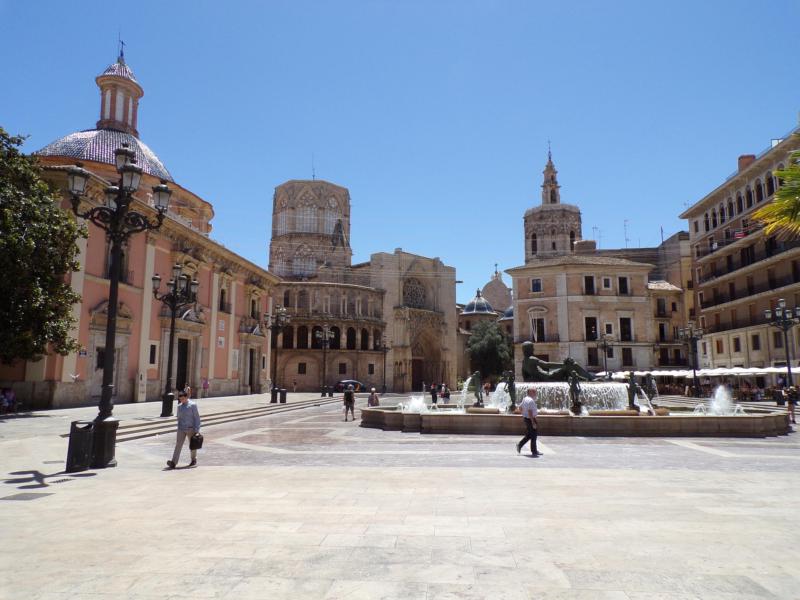
Where do most expats live in Valencia?
Historically, expats have gravitated towards neighbourhoods that offer a blend of authentic Spanish charm and modern international amenities. Currently, the highest concentrations of foreign residents can be found in three distinct districts, each offering a very different style of property:
1. Ruzafa (Russafa)
- The Lifestyle: Often dubbed Valencia’s "hipster epicentre," Ruzafa is undoubtedly the most popular neighbourhood for young professionals, digital nomads, and investors. Once an independent town, it is now famous for its colourful facades, eclectic coffee shops, international eateries, and vibrant nightlife with excellent public transport connections.
- Popular Property Types: Foreign buyers here typically look for classic Valencian apartments housed in elegant early 20th-century buildings. The most highly prized features include soaring ceilings with ornate mouldings, beautifully restored suelos hidráulicos (original geometric mosaic floor tiles), and exposed brick walls. Many of these properties have been stylishly modernised to cater to the international market, offering open-plan living while retaining their historic charm. However, buyers should be aware that some of these older, mid-rise buildings still lack a lift—a crucial consideration when buying on a higher floor.
- Average Price (2026): Because of its immense popularity, Ruzafa sits within the wider L'Eixample district, which is one of the priciest in the city. Property prices in Ruzafa currently average between€3,145 and €3,840 per square metre, depending on the level of renovation and whether the building has a modern lift.
2. El Carmen (Ciutat Vella)
- The Lifestyle: Located right in the historical centre, El Carmen is a favourite for newcomers who want to immerse themselves in Valencia's ancient history. Living here means winding medieval streets, proximity to the Central Market, and having centuries of architecture right on your doorstep.
- Popular Property Types: Purchasing in El Carmen means buying a piece of history. Properties here range from compact, character-filled flats in narrow alleys to grand apartments in centuries-old palatial buildings. Buyers typically fall in love with features such as exposed wooden ceiling beams (vigas de madera), Juliet balconies overlooking bustling plazas, and thick historic walls. Because space is at a premium in the old town, private outdoor areas are usually limited, and underground parking spaces are exceptionally rare.
- Average Price (2026): As a highly protected historical zone with limited housing stock, prices remain consistently strong. Expect to pay an average of €3,570 – €4,736 per square metre, with fully renovated, turnkey properties easily surpassing this bracket.
3. El Cabanyal-Canyamelar (Poblats Marítims)
- The Lifestyle: For those who move to Spain for the sea, this traditional fishing district is the top choice. With its uniquely colourful tiled houses and immediate access to Malvarrosa Beach, and direct public transport tram links to the commercial centre. El Cabanyal attracts a laid-back expat community that loves seafood, sea breezes, and a relaxed pace of life.
- Popular Property Types: The architectural footprint of El Cabanyal is completely unique to Valencia. The most iconic and sought-after properties are the traditional two-storey fishermen’s houses. These homes are famous for their modernista tiled facades, often painted in bright, vibrant colours. Buyers tend to purchase these as complete townhouses or as split flats: the ground-floor properties typically boast private interior courtyards (patios), while the upper-floor flats often feature sunny roof terraces. Many expats buy here with the intention of doing a renovation project to restore these heritage homes to their former glory.
- Average Price (2026): While prices have risen sharply in recent years as the area gentrifies and improves, it still offers a more accessible entry point compared to the city centre. The current average sits around €2,720 – €3,243 per square metre, though fully modernised, detached seaside houses will command a premium.
Areas becoming more popular with expats in Valencia
Beyond the traditional hotspots, expats are increasingly exploring neighbourhoods that offer specific benefits, whether that is modern convenience, established prestige, or budget-friendly authenticity.
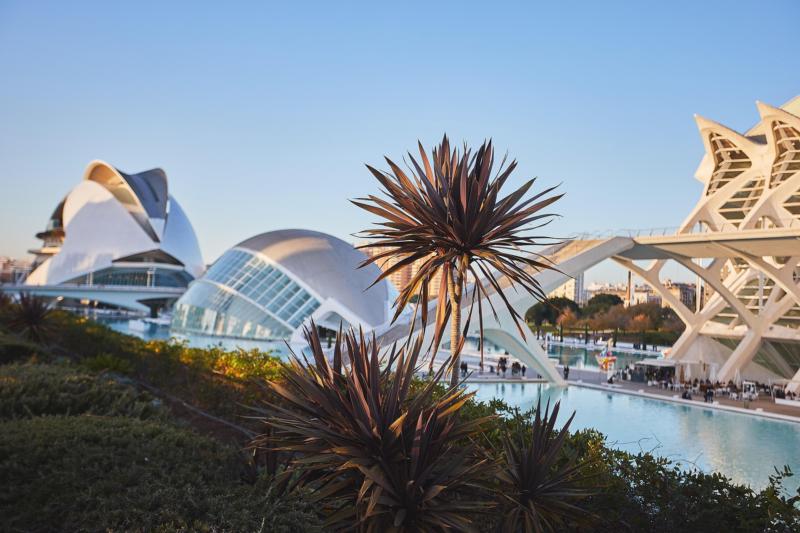
4. Avenida de Francia (City of Arts and Sciences Area)
- The Lifestyle: If winding medieval streets aren't your preference and you are looking for contemporary living, the area around Avenida de Francia feels distinctively modern. Characterised by wide, palm-lined avenues and upscale shopping centres, it is a major hotspot for affluent expats and corporate relocations who want immediate access to the Turia gardens and the nearby Marina.
- Popular Property Types: Flats here are relatively new builds. They frequently come with highly desirable amenities that are incredibly rare in the historic city centre, such as secure underground parking, communal swimming pools, private gyms, and padel courts.
- Average Price (2026): Because of the resort-style amenities and modern build quality, expect to pay between €3,635 and €4,638 per square metre.
5. Pla del Real
- The Lifestyle: If you are seeking prestige, tranquillity, and green spaces, Pla del Real is one of Valencia’s most distinguished postcodes. Situated just across the Turia park from the historic centre, it is highly residential, safe, and less tourist-heavy. It is a premier choice for wealthy professionals, diplomats, and expat families desiring a peaceful, leafy environment.
- Popular Property Types: Buyers here will find grand, spacious apartments housed in stately buildings with excellent security. Many properties offer premium views over the Viveros Gardens or the Turia riverbed.
- Average Price (2026): As one of the most exclusive areas in the city, property prices are at a premium, averaging between €3,400 and €4,536 per square metre.
6. Patraix
- The Lifestyle: On the opposite end of the spectrum is Patraix, an increasingly popular choice for expats looking for a more authentic, budget-friendly Valencian experience. Located in the southwest, Patraix used to be an independent agricultural village and has successfully retained a tight-knit community feel centred around its pedestrianised plazas and local tapas bars.
- Popular Property Types: Properties here are mostly older, traditional mid-century apartments. Expats often buy here with the intention of fully renovating older flats to add value, though it is important to check if the building has a lift.
- Average Price (2026): Patraix is highly attractive to value investors and budget-conscious buyers, with prices remaining significantly lower than the city average at roughly €2,440 to €2,980 per square metre.
| Neighbourhood (District) | Ideal For | Popular Property Types | Avg. Asking Price (€/m²) |
| Pla del Remei (L'Eixample) | Wealthy professionals, luxury buyers. | Stately modernist apartments, wide tree-lined boulevards. | €4,080 – €4,978 |
| El Carmen (Ciutat Vella) | Romantics, young expats, culture lovers. | Centuries-old apartments, palatial flats, exposed beams. | €3,570 – €4,736 |
| El Pla del Real | Wealthy families, retirees, and wealthy executives. | Grand, spacious apartments near Viveros Gardens with high security. | €3,400 – €4,536 |
| Ruzafa (L'Eixample) | Digital nomads, young professionals. | Early 20th-century flats, high ceilings, suelos hidráulicos (mosaic tiles). | €3,145 – €3,840 |
| El Cabanyal (Poblats Marítims) | Beach lovers, renovators, retirees. | Traditional two-storey fishermen's houses, colourful tiled facades, and patios. | €2,720 – €3,243 |
| Avenida de Francia (Camins al Grau) | Corporate relocations, affluent families. | Modern new-builds, resort-style amenities (pools, gyms, underground parking). | €3,635 – €4,638 |
| Campanar | Young families, professionals. | Modern, spacious flats in residential complexes adjacent to the Turia Park. | €2,465 – €3,408 |
| Benimaclet | Students, young families, and budget-conscious. | Traditional Valencian homes mixed with standard mid-century apartment blocks. | €2,295 – €2,805 |
| Patraix | Value investors and digital nomads looking to save. | Older, traditional apartments around pedestrianised local plazas. | €2,125 – €2,889 |
| Alboraya (Separate Municipality) | Expats wanting space, families. | Larger detached homes, townhouses, and sea-view flats in Port Saplaya. | €3,325 – €4,164 |
What are the best neighbourhoods in Valencia for families?
Relocating with children requires a different set of priorities: proximity to international or high-quality local schools, safe outdoor spaces, and a quieter environment.
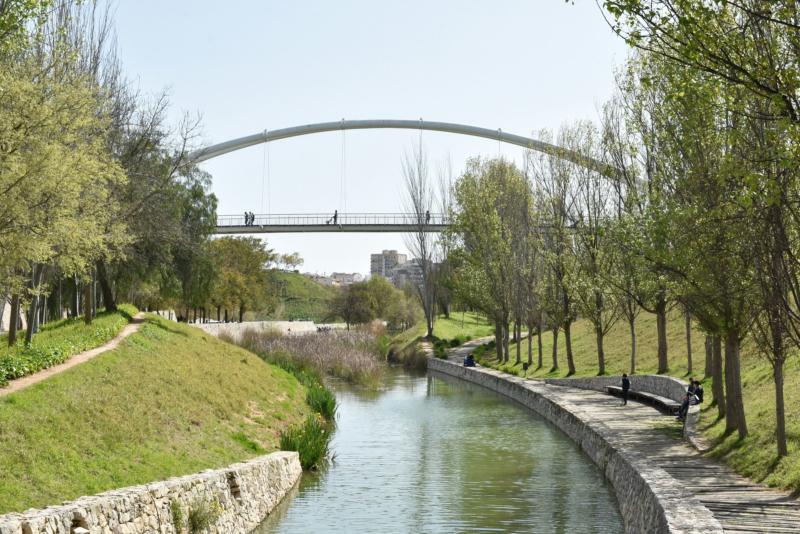
- Campanar: Widely considered a premier choice for families looking for a peaceful urban environment. Campanar offers modern, spacious flats (often within residential complexes featuring communal pools) and is situated right next to the Turia River Park, where children can cycle and play safely, while the local metro station makes commuting a breeze.
- Benimaclet: Originally a separate village, Benimaclet has retained a strong, welcoming community spirit. It is highly sought after by expat families who want a mix of traditional Valencian life and modern amenities, parks, and local markets, all while remaining well connected to the city centre via the metro.
- Alboraya: While technically a municipality just outside the city limits, Alboraya is a top pick for families wanting more space, larger homes, and rural calm. Famous for its horchata fields and easy beach access (Port Saplaya), it provides a phenomenal quality of life for families who prefer the suburbs.
What is the most expensive area in Valencia?
If you are looking for luxury real estate, premium shopping, and an exclusive postcode, look no further than L'Eixample, and specifically the neighbourhood of Pla del Remei.
Known for its stunning modernist architecture, wide tree-lined boulevards, and high-end boutiques, this is the most affluent district in Valencia. Property prices here regularly exceed €4,000 to €5,000 per square metre. The nearby district of El Pla del Real is a close second, offering stately homes and a highly exclusive atmosphere. Additionally, modern new builds near the City of Arts and Sciences (such as Avenida de Francia) consistently command premium prices due to their resort-style amenities.
What is the safest neighbourhood in Valencia?
Spain as a whole is incredibly safe, and Valencia consistently ranks as one of the safest major cities in Europe. Violent crime is exceptionally rare, and the main concern in tourist-heavy areas is petty pickpocketing.
However, if maximum security and peace of mind are your top priorities, El Pla del Real, Avenida de Francia, and Eixample are considered the safest and most secure neighbourhoods. Their well-lit streets, affluent demographics, and quiet residential nature make them incredibly tranquil. Campanar also boasts fantastic safety records, heavily contributing to its popularity with young families.
Where are the quietest areas in Valencia?
If you are moving to Spain to escape the rat race and your top priority is absolute peace and quiet, the bustling city centre is likely not for you. Valencia is famous for its street life, late-night dining, and the notoriously noisy Las Fallas festival in March. For maximum tranquility, expats should look to the city’s green edges and surrounding suburbs:
- The Western Suburbs (La Cañada & L'Eliana): Located roughly 20 minutes from the city centre, these residential towns are highly sought after by expats seeking a quiet, suburban lifestyle. Characterised by detached villas, private pools, and pine trees, they offer rural calm, wide-open spaces, and no noisy nightlife, all while remaining well-connected to the city via the metro.
- Poblats del Sud (The Southern Villages): Stretching south between the city and the Albufera Natural Park, villages like El Saler and El Perellonet offer a completely different pace of life. Here, the landscape is dominated by sand dunes, pine forests, and rice fields. It is remarkably quiet year-round and perfect for those who want coastal nature directly on their doorstep.
- El Botànic (City Centre): If you absolutely must live centrally but want to minimise noise, the El Botànic neighbourhood is a fantastic compromise. Located just outside the old medieval walls and named after the city's botanical gardens, the area's streets are notably quieter and leafier, and lack the heavy late-night foot traffic and bar scenes of El Carmen or Ruzafa.
Which neighbourhoods are best for international schools?
For expats moving with children, the commute to a chosen school often dictates where they buy or rent. Valencia boasts a phenomenal selection of international and bilingual schools, but the vast majority of them are clustered in affluent residential towns just outside the main city limits:
- Puçol (North): Located about 20 kilometres north of the city, Puçol is home to two of the region's most prestigious institutions: Caxton College (British curriculum) and the American School of Valencia. Because of this, the nearby gated communities of Los Monasterios and Alfinach are prime real estate hubs for affluent expat families seeking luxury villas, 24/7 security, and a community of like-minded international parents.
- Paterna & La Cañada (Northwest): This area is a major educational hub, home to the British College La Cañada, the Lycée Français (French school), and the highly rated Mas Camarena Educational Complex. Expats sending their children here tend to buy in the purpose-built residential estates of Mas Camarena, Valterna, or La Cañada itself, which offer large family homes, private sports clubs, and highly secure environments.
- Rocafort & Godella (Northwest): Home to the highly respected Cambridge House Community College, these neighbouring towns are incredibly prestigious. The Santa Bárbara and Campolivar estates located here offer some of the most exclusive and expensive family villas in the entire Valencia province, attracting diplomats, executives, and international buyers who want elite educational options just 15 minutes from the city centre.
Final thoughts for expats
When deciding where to buy or rent in Valencia, it is highly recommended to visit the city and walk through these districts yourself. The "best" neighbourhood is entirely subjective to your lifestyle. Do you want the vibrant energy of Ruzafa, the historical romance of El Carmen, the modern conveniences of Avenida de Francia, or the family-friendly greenery of Campanar?
Valencia offers a world-class standard of living that is hard to beat anywhere else in Europe. Browse the latest properties for sale and rent in Valencia on our website.

Last updated: 24/04/2026
Was this article useful?
Related Topics
Related Articles