12 min read
Living in Spain is about more than just sunny days and relaxed evenings; it is about immersing yourself in a country with a history as deep as its culture is vibrant. Whether you have just bought your first home here, are planning a move, or have lived here for years, there is always something new to discover.
We have curated the ultimate bucket list for the true Spain lover. This isn't just a list of places to take a photo; it is a checklist of experiences that help you understand the "real" Spain. From the green peaks of the north to the fiery festivals of the south, here are the 25 things you simply must do.
The icons: Classics for a reason
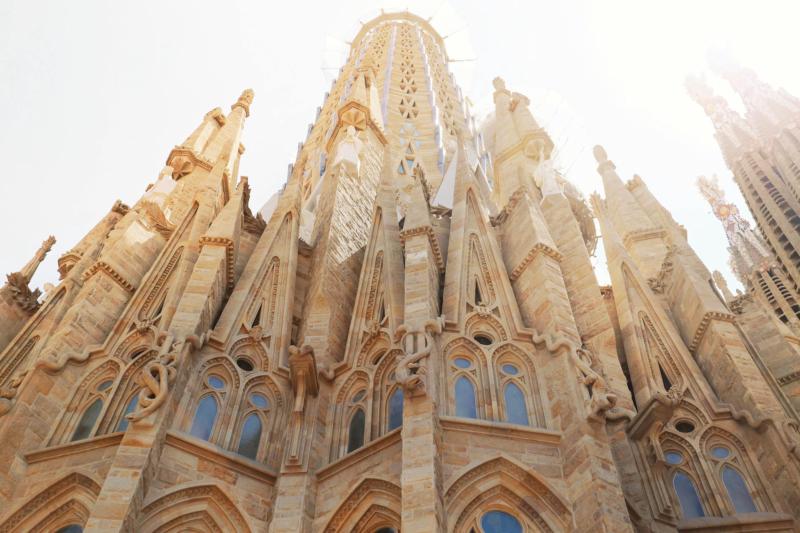
1. Stand inside the Sagrada Familia (Barcelona)
Gaudí’s masterpiece is famous for its exterior, but the real magic happens inside. Step in during the late afternoon (the "Golden Hour") when the sunlight hits the stained-glass windows. The interior transforms into a kaleidoscope of red, orange, and green light that dances across the stone "forest" of columns. Unlike traditional dark cathedrals, this space feels organic and alive.
Why it’s on the list: It is the most unique architectural achievement in Europe. Seeing it helps you understand Catalonia's daring, creative spirit.
2. Explore the Alhambra at sunset (Granada)
Dedicate a full day to the Alhambra complex, ensuring you visit the Generalife gardens and the intricate Palacios Nazaries with their stucco calligraphy. However, the essential experience is to end your day at the Mirador de San Nicolás in the Albaicín district across the valley. Watch as the fortress walls turn a deep, glowing red (the colour that gives the al-Hamra its name) while the sun sets behind the snow-capped Sierra Nevada mountains.
Why it’s on the list: It is the finest example of Islamic architecture in the western world and a poignant reminder of Spain’s rich, multi-layered history.
3. Walk the "City of Three Cultures" (Toledo)
Lose yourself in the labyrinthine streets of this ancient city, which feels suspended in time. Within a walk of just a few hundred metres, you can visit the Synagogue of Santa María la Blanca, the Cristo de la Luz Mosque, and the Primatial Cathedral. Stop to buy the famous marzipan from a convent window and admire the damascene steelwork in the shop windows.
Why it’s on the list: It is a living museum that captures the complex soul of Spain better than any other city, representing a time when Muslims, Christians, and Jews coexisted.
4. See the aqueduct and eat "cochinillo" (Segovia)
Start by standing at the foot of the massive Roman Aqueduct in Plaza del Azoguejo. Built around the 1st century AD without a single drop of mortar, the granite blocks are held together by physics alone. Afterwards, head to a traditional restaurant (like the famous Mesón de Cándido) to order Cochinillo Asado (roast suckling pig). The meat is so tender that waiters famously carve it using the edge of a ceramic plate, which they then smash on the floor in celebration.
Why it’s on the list: It combines one of the world's best-preserved Roman engineering feats with one of Castile's most famous and theatrical culinary traditions.
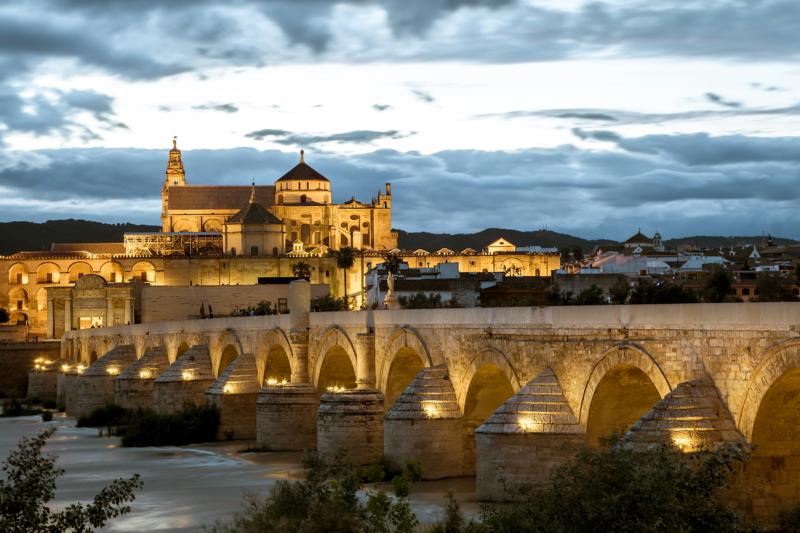
5. Enter the great Mosque-Cathedral (Córdoba)
Step from the blinding Andalusian sun into the cool, dim interior of the Mezquita. You will wander through a "forest" of over 850 columns topped with iconic red-and-white double arches. As you reach the centre, the architecture abruptly changes to a soaring 16th-century Renaissance cathedral built directly inside the mosque structure. The contrast is jarring, beautiful, and unforgettable.
Why it’s on the list: It is a unique architectural hybrid that physically represents the clash and merging of civilisations in Spanish history.
Gastronomy: Tasting the culture
6. Go for "pintxos" in San Sebastián (Donostia)
Forget a sit-down meal. In the Old Town (Parte Vieja), the tradition is to hop from bar to bar. At each stop, order a zurito (small beer) or txakoli (sparkling white wine) and one "pintxo"—perhaps a Gilda (olive, pepper, and anchovy) or grilled mushrooms. Throw your napkin on the floor—it is a traditional sign that the food was excellent!
Why it’s on the list: It is widely considered the world’s greatest food crawl and is the beating heart of Basque social culture.
7. Eat authentic paella in L'Albufera (Valencia)
Paella is often misunderstood abroad. To taste the real thing, travel to the Albufera Natural Park, a freshwater lagoon surrounded by rice fields just south of Valencia city. Go to the village of El Palmar and order Paella Valenciana (with chicken, rabbit, and beans) for lunch—never dinner. The key is the socarrat, the caramelised layer of rice at the bottom of the pan.
Why it’s on the list: You haven't truly tasted Spain's national dish until you have eaten it at its birthplace, made with rice grown in the surrounding fields.
8. Drink wine in a bodega in La Rioja
Visit the Station District in the town of Haro, which has the highest concentration of century-old wineries in the world. Book a tour to descend into the underground caves where thousands of barrels are ageing. You will smell the damp oak and earth before tasting the complex Tempranillo wines right at the source.
Why it’s on the list: Spanish wine is world-class, and Rioja is the gold standard. It’s an essential pilgrimage for any wine lover.
9. Experience a "calçotada" (Catalonia)
This messy, communal feast takes place between January and March. You don a bib and stand around a fire to eat calçots (sweet spring onions charred over vine clippings). You peel off the blackened outer layer with your bare hands, dip the soft white interior into rich romesco sauce, and then lower it into your mouth. This is followed by grilled meats and local red wine, often served in a porrón.
Why it’s on the list: It celebrates the simple joy of eating with friends and family, prioritising fun and community over table manners.
Nature & landscapes
10. Ride the vintage tren de Sóller (Mallorca)
Step aboard the polished wooden carriage of this electric train, which has been running since 1912. The journey takes you from Palma, winding through the dramatic Tramuntana mountains, rattling through 13 tunnels, and passing fragrant orange and lemon groves before arriving in the beautiful Art Nouveau port of Sóller.
Why it’s on the list: It is a journey back in time and the perfect leisurely way to experience the stunning, rugged landscape of the Balearic Islands.
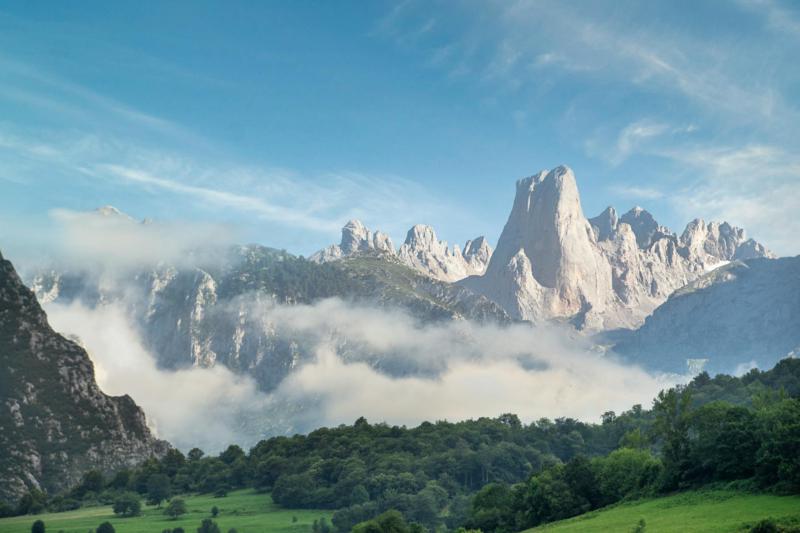
11. Hike and drink cider in the Picos de Europa
Discover "Green Spain" by hiking the Cares Trail (Ruta del Cares), a path carved into the cliff face deep in the gorge. After the hike, visit a local Sidrería (cider house) in Asturias. Watch the waiter pour natural cider from high above their head (escanciar) to aerate it. You must drink the small amount ("culín") immediately before it loses its sparkle.
Why it’s on the list: The combination of dramatic limestone peaks that rival the Alps and unique local customs makes this region feel like a different country entirely.
12. Climb (and stargaze) Mount Teide (Tenerife)
Take the cable car (or hike if you are fit) up Spain’s highest peak. At 3,718 metres, you are often standing above the "sea of clouds." The landscape is volcanic, barren, and otherworldly. If you can, stay until nightfall; Teide is a certified Starlight Reserve, offering some of the clearest views of the Milky Way on the planet.
Why it’s on the list: It is the roof of Spain and offers volcanic landscapes you cannot see anywhere else in Europe.
13. Visit the "Caribbean of Europe" (Cíes Islands, Galicia)
You must book a permit in advance to visit this protected nature reserve. Take a boat from Vigo to the islands and walk across Rodas Beach, a crescent of blindingly white sand connecting two islands. The water is turquoise and crystal clear (though bracingly cold!). There are no hotels, no cars, and no noise—just nature.
Why it’s on the list: The Guardian once voted this the "best beach in the world," and it remains a pristine, untouched paradise that defies the typical "Costas" image.
14. Drive the route of the White Villages (Pueblos Blancos)
Take a road trip through the Sierra de Grazalema mountains in Cádiz and Málaga. The drive winds through cork oak forests and rugged peaks, punctuated by villages of blinding white houses clinging to the hillsides. Don't miss Zahara de la Sierra (topped with a castle) or Setenil de las Bodegas, where houses are built directly into the rock overhangs.
Why it’s on the list: This is the quintessential romantic image of southern Spain: white walls, red geraniums, and blue skies.
15. Explore the volcanic vineyards of Lanzarote
Visit the La Geria region, where the landscape looks like the moon. Because of the wind and lack of rain, vines are grown in individual craters dug into the black volcanic ash and protected by semi-circular stone walls (zocos). Visit a winery to taste the sweet Malvasia volcanic wine produced here.
Why it’s on the list: It shows the incredible resilience of Spanish agriculture and offers a visual landscape unlike any other on Earth.
Culture & fiestas
16. Attend a "Feria" in Andalusia
Whether in Seville (April) or Jerez (May), the Feria is a week-long explosion of colour and joy. The fairgrounds become a temporary city of striped tents (casetas). Women wear stunning flamenco dresses, men wear traditional traje corto, and beautiful horses parade the streets. Order a jug of rebujito (Manzanilla sherry mixed with lemon soda) and clap along to the sevillanas music.
Why it’s on the list: It is the purest, most concentrated expression of Andalusian hospitality, pride, and love for life.
17. Watch the Fallas burn (Valencia)
In March, Valencia is filled with hundreds of giant, satirical papier-mâché sculptures, some as tall as buildings. The city vibrates with fireworks and parades for days. On the final night (La Cremà), the streetlights go off, and at midnight, these masterpieces are set on fire. The heat is intense, the crowd cheers, and the city is illuminated by hundreds of bonfires.
Why it’s on the list: It is a spectacle of fire and art that symbolises renewal and the arrival of spring—a cathartic tradition you have to feel to believe.
18. Feel the emotion of flamenco
Skip the large theatre shows designed for tourists. Find an intimate tablao or a peña in Seville, Granada, or Madrid where you can sit close to the stage. In these small venues, you can see the sweat on the dancer’s brow and hear the guttural cry of the singer. You aren't just watching a dance; you are witnessing duende—a heightened state of emotion and expression.
Why it’s on the list: Flamenco is a UNESCO Intangible Cultural Heritage and a powerful, emotional art form that goes straight to the heart.
19. Walk a stage of the Camino de Santiago
You don’t need to walk for a month to feel the spirit of the Camino. Even walking the last 100km (the minimum for the certificate) or just a few days through the misty forests and rural hamlets of Galicia connects you to history. Look for the yellow arrows and scallop shell markers, and greet fellow walkers with "Buen Camino!"
Why it’s on the list: It is a spiritual and physical journey that attracts people from all over the world, offering a unique sense of camaraderie.
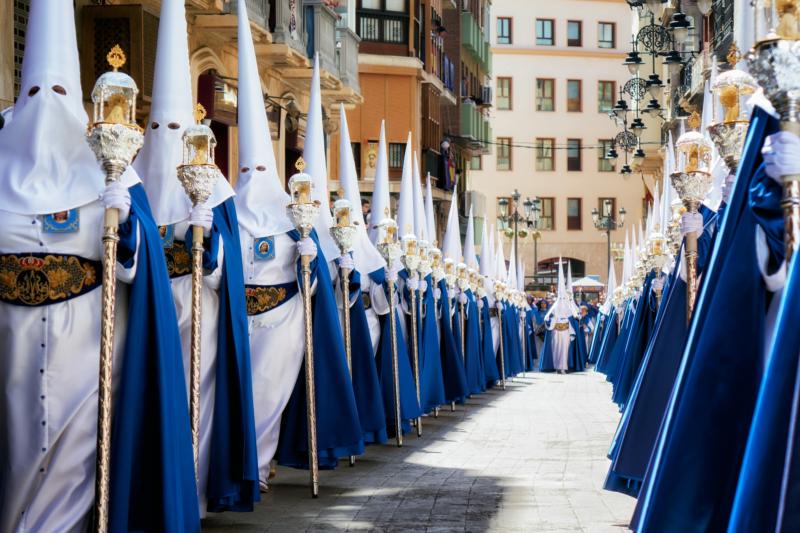
20. Experience Holy Week (Semana Santa)
Visit Seville, Málaga, or Zamora during Easter week. The atmosphere is solemn and intense. Watch the processions in which nazarenos in pointed hoods and costaleros carry massive floats bearing religious statues through narrow streets. The silence of thousands of people is often broken only by a mournful brass band or a solitary saeta (religious song) sung from a balcony.
Why it’s on the list: It is the most important religious event in Spain, showcasing deep tradition, art, and community devotion in a way that is deeply moving, regardless of your faith.
History & adventure
21. Visit the Prado Museum (Madrid)
Dedicate a morning to the Golden Triangle of Art. The Prado is vast, so focus on the Spanish masters. Stand before Velázquez’s Las Meninas to ponder its mysteries, and visit Goya’s "Black Paintings" to see the darker side of the Spanish psyche.
Why it’s on the list: It is one of the world's premier art galleries. You cannot fully understand Spanish history without seeing it through the eyes of its greatest painters.
22. Walk the Caminito del Rey (Málaga)
Once known as the "world’s most dangerous walkway," this path has been fully restored and is now perfectly safe. You will put on a helmet and walk along wooden pathways pinned to the sheer vertical cliffs of the Gaitanes Gorge, 100 metres above the river below. The views are dizzying and spectacular.
Why it’s on the list: It remains an exhilarating bucket-list adventure that combines adrenaline with stunning natural beauty.
23. Climb the Stairs of San Juan de Gaztelugatxe (Basque Country)
Park your car and walk down the hill to see the hermitage sitting on top of a rocky islet, connected to the mainland by a winding stone bridge. Climb the 241 stairs to the top. Legend says that once you reach the hermitage, you should ring the bell three times and make a wish.
Why it’s on the list: Made famous globally by Game of Thrones (as Dragonstone), it is one of the most dramatic and photogenic coastal landscapes in the entire country.
24. Watch the sunset at the "End of the World" (Cape Finisterre)
Travel to the rocky cliffs of Galicia’s "Costa da Morte" (Coast of Death). For the Romans, this was Finis Terrae—the literal end of the known world. Sit by the lighthouse near the KM 0.000 marker of the Camino and watch the sun sink into the vast, churning Atlantic Ocean.
Why it’s on the list: It is a place of mythical geography and raw natural beauty, offering a spectacular, spiritual finale to any Spanish adventure.
25. Get lost in Albarracín (Teruel)
Venture inland to the province of Teruel to find a medieval walled village that clings to a steep rocky hill. Explore its narrow, winding lanes and admire the unique reddish plaster houses (yeso rojo) that seem to glow pink in the evening light. Walk the perimeter of the ancient defensive walls for incredible views over the village and the river below.
Why it’s on the list: It is consistently voted "Spain's most beautiful village" by locals. It offers a perfectly preserved slice of medieval history far from the coastal crowds.
Start your Spanish adventure today
How many of these have you already ticked off? Whether you have completed five or fifteen, the best way to explore them all is to make Spain your home. At thinkSPAIN, we have over 100,000 properties listed across the country, from apartments near the Sagrada Família to cottages in the 'White Villages'.
- Ready to find your base? Start your property search in Spain.
- Want more inspiration? Check out our information section for more tips on enjoying the Spanish way of life.

Last updated: 23/04/2026
Was this article useful?
Related Topics
Related Articles