
ANYONE who has let out or sold their property in recent years will have gone through the process of obtaining an energy-efficiency certificate – and, if you're planning to sell yours or rent it, you need to know...
Sign in/Register
Looking for the Professionals/Advertiser Login?
By Signing up you are agreeing with our Terms and Privacy Policy.Forgot your password?
Feedback is welcome

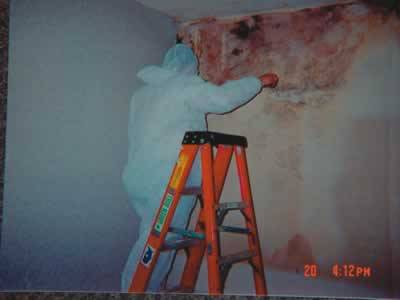
It’s not just the effects it has on the home but also on you that can be of concern. Some people are more sensitive to mould than others, especially those with allergies and asthma. Mould exposure may cause cold-like symptoms, watery eyes, sore throat, wheezing and trigger asthma attacks.
And because some mould spores are so small they can easily be breathed into the lungs.
You can usually detect mould by its musty odour. If you see or smell mould, you have a problem. Reliable sampling for mould can be expensive since it requires special equipment and training. Moulds grow on paper, leather, dirt and soap scum. It will grow in moisture and the high level of condensation here gives it an ideal home.
Moisture seeping through concrete walls and floors will cause dampness, and will eventually result in mould on walls, floors, carpeting and materials that also includes firewood.
Bathrooms are more likely to have mould growth if there are no fans and soap scum, shower walls and ceramic tile are great surfaces for mold growth.
Closets unfortunately often have mould growth, especially if clothing is stored damp or dirty, and you will have to put up with that overpowering and stifling smell.
These are excellent ways to prevent mould:
*Cleaning, disinfecting and drying surfaces prevents mould growth. Mold will grow on damp surfaces within a couple days at normal temperatures.
*Reduce moisture levels in the bathroom by running an exhaust fan during and after showers. 
*Store clothing dry and clean.
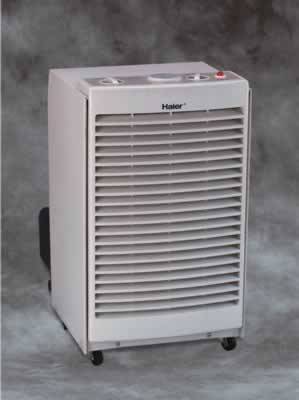
*Reduce humidity levels by discontinuing use of a humidifier if the relative humidity is more than 40 percent, and use dehumidifiers and air conditioners when levels of humidity are high. Also, ventilate with outside air during the winter when outside temperatures are colder than indoor temperatures.
*Increase the flow of air within your home. Moving furniture away from walls.
*Prevent condensation. Insulating walls and installing thermal pane windows keeps walls warm and limits condensation.
If you already suffer from mould then here are a few tips to clean and remove this nasty stuff:
*Materials should be dried quickly; mould will grow within about 2 days.
*Anyone spending more than a brief time cleaning in a mouldy environment should use a HEPA filter mask and gloves.
*Porous materials should be thrown out or completely decontaminated if they are mouldy. Materials such as hard plastic, glass and metal can be cleaned and disinfected.
*Remove the mould using a non-ammonia soap or detergent. Never mix bleach and ammonia. Surfaces from which the mould cannot be completely removed should be treated with enough chlorine bleach to keep the surface moist for at least 15 minutes, rinsed, then rapidly dried.
*Disinfect by applying a solution of one-cup chlorine bleach per 1 gallon water or follow manufacturer’s recommendations. The surface should be thoroughly wetted with the solution. Keep the surface wet with the bleach solution 10 to 15 minutes to kill the mould. Allow the solution to dry naturally 6 to 8 hours.
Other products that kill mold are biocides.
To remove mould from painted surfaces inside the home
Scrub mouldy surfaces with a solution of one cup chlorine bleach to one gallon water. A little detergent may be added to the solution, but do not mix bleach with cleaners containing ammonia. Rinse with clean water and allow to dry thoroughly before painting or papering.
Painted Exterior Surfaces
Scrub mould on paint with a solution of 1/3 cup detergent that does not contain ammonia, one quart chlorine bleach and three quarts water.
<>
ANYONE who has let out or sold their property in recent years will have gone through the process of obtaining an energy-efficiency certificate – and, if you're planning to sell yours or rent it, you need to know...
INTEREST rates in the Eurozone could fall to 2.5% next year, having closed August 2024 on 3.75%, according to latest research.
GRANTS of up to €250 are available this year for replacing older air-conditioning units in a bid to encourage greater energy efficiency.
RESIDENTIAL property prices rose again in July outside of Spain's major cities, with homes for sale on the islands now breaking post-recession records.