- The economic indicators for 2026 in Barcelona
- Where do most expats live in Barcelona?
- Where are the most expensive neighbourhoods in Barcelona?
- Where are the cheapest areas to buy property in Barcelona?
- Where are the best luxury properties in Barcelona?
- What are the best residential neighbourhoods in Barcelona?
- 2026 Hotspots - Where to invest in Barcelona?
- Greater Barcelona: The Coastal lifestyle near the city
- The buying process in Catalonia: 2026 checklist
12 min read
The Barcelona property market has entered a phase of mature, stable growth following the record-breaking surges of 2024 and 2025. Barcelona is a city defined by its physical limits—wedged between the Collserola mountains and the Mediterranean Sea. This geographical "ceiling" has created a market driven primarily by scarcity. For the international buyer, it is no longer about finding a bargain, but about securing high-value assets in a global hub that remains significantly more affordable than London, Paris, or New York, yet offers a Mediterranean lifestyle that is second to none.
The year 2025 closed with Barcelona reaching a new historic high, with average prices across the capital of Catalonia standing at approximately €5,148 per square metre. While the double-digit appreciation of previous years has moderated, experts from major banks like BBVA and CaixaBank project a steady 3% to 6% growth for 2026. This stabilisation is welcomed by long-term investors, signalling a healthy market where demand continues to outpace supply. For those looking to buy, the window of opportunity is characterised by more predictable mortgage conditions, with the 12-month Euribor stabilising around 2.72%, making financing more accessible than in the volatile early 2020s.
Foreign interest remains the bedrock of the market, accounting for 25% of all transactions in the province—the highest figure on record. The demographic has evolved; while the French, British, and Germans remain active, 2026 is seeing a surge in North American buyers and Asian communities, particularly in the premium and luxury segments. Whether you are seeking a seaside home in Sitges or a modernist masterpiece in Eixample, understanding the distinct "micro-markets" of the Barcelona region is essential for a successful purchase.
The economic indicators for 2026 in Barcelona
Barcelona’s economy continues to outperform the Eurozone average, fueled by a thriving tech ecosystem and a resilient tourism sector that expects nearly 100 million visitors nationwide this year.
| Economic Indicator | Value (2026) | Market Implication |
| Citywide Avg Price | €5,148/m² | Historic highs; investment is now a play on scarcity and prestige. |
| Projected Price Growth | 3% - 6% | Stable appreciation; lower risk of a "bubble" correction. |
| Mortgage Rates (Fixed) | 2.0% - 4.5% | Predictable financing costs for residents and non-residents. |
| Foreign Buyer Share | 25% | High liquidity and global demand insulation. |
| ITP (Resale Tax) | 10% - 13% | Requires long-term hold for equity. |
Where do most expats live in Barcelona?
Barcelona’s international community is as diverse as it is expansive, with more than 20,000 expats calling the Eixample district home. Ultimately, the 'best' neighbourhood for you depends on your specific professional requirements and lifestyle priorities. Let's explore Barcelona to see which area or neighbourhood might best suit your needs:
Eixample: The professional epicentre
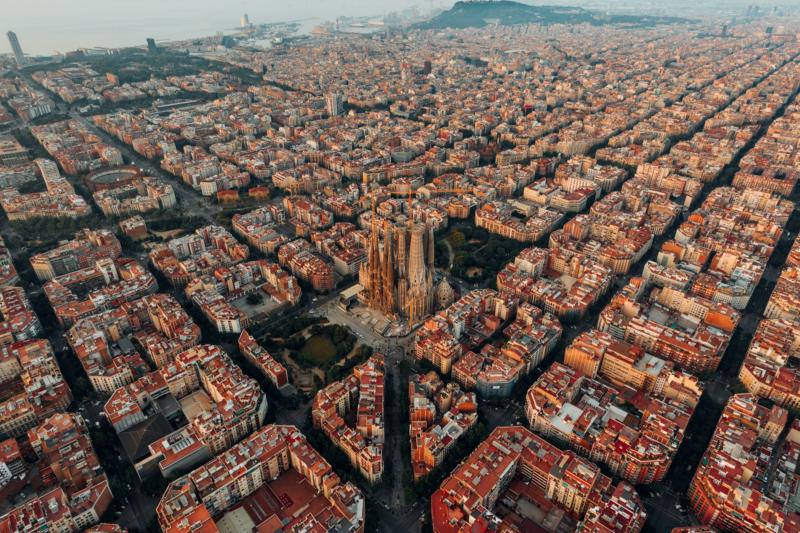
The aerial photo of Barcelona’s iconic grid layout above represents the neighbourhood of Eixample. This is the heart of the city and the primary choice for young professionals and digital nomads. The area surrounding the Sagrada Familia offers a more residential and quieter pace than the core of Eixample.
- Property type: Grand 19th-century buildings with high ceilings, ornate "hydraulic" tile floors, and wrought-iron balconies. Many residents live in beautiful period flats that often feature direct views of Gaudí’s masterpiece, making it a "trophy" location for many international buyers. Buying near the Sagrada Familia ensures your asset is always in demand.
- Prices: Average prices sit around €6,363/m².
- Lifestyle: High walkability, world-class dining, and the iconic "Superblocks" (Superilles), which have reduced traffic and added green spaces.
Gràcia: The village in the city
Ask any long-term expat where the "soul" of the city lies, and they will likely point to Gràcia. Once an independent village, it retains a fiercely local identity and a bohemian atmosphere.
- Property type: Low-rise traditional apartments and narrow, pedestrianised streets. Units are often more compact but full of character.
- Prices: Approximately €5,453/m².
- Lifestyle: Community-focused life centred around lively plazas like Plaça del Sol, independent boutiques, and artisanal markets.
Poblenou (Sant Martí): The beachy tech hub
Poblenou has undergone the city’s most dramatic transformation, evolving from an industrial wasteland into the 22@ tech district.
- Property type: A mix of converted industrial lofts and sleek, modern glass-fronted developments with communal pools and parking—a rarity in central Barcelona.
- Prices: Average prices for the Sant Martí district are around €4,885/m², though prime Poblenou micro-locations command more.
- Lifestyle: A unique blend of "work-from-home" sanctuaries, thriving startup offices, and immediate beach access.
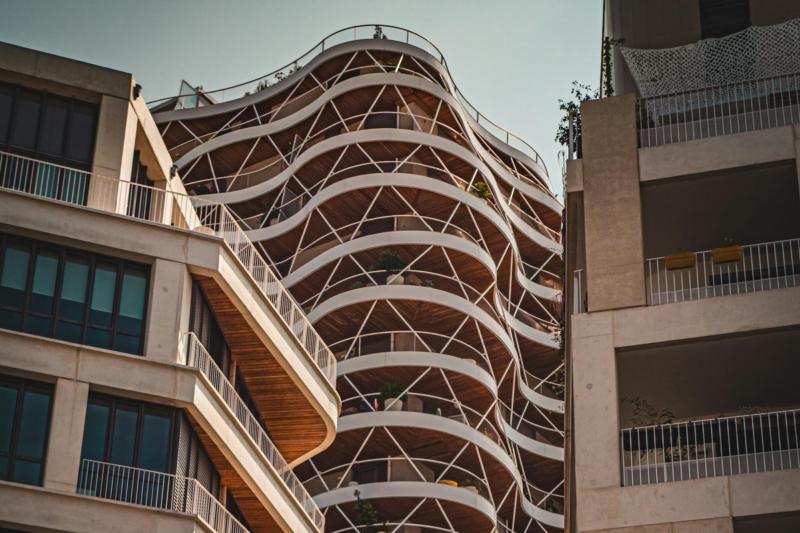
Where are the most expensive neighbourhoods in Barcelona?
For those seeking exclusivity and a "safe haven" for capital, Barcelona’s upper districts (Zona Alta) and prime seafront areas represent the ceiling of the Spanish property market. These areas serve as a critical buffer against economic volatility, as the demand in these locations consistently outstrips the supply.
Sarrià-Sant Gervasi: Old money and elegance
Consistently ranked as the most expensive neighbourhood, this area is the bastion of Barcelona's traditional high society, offering a quieter, more residential pace of life far from the tourist crowds. This district is defined by its mix of large, high-end apartments and renovated "Palacetes" (small palaces) on quiet, tree-lined streets, maintaining a distinct "village" charm that dates back to when it was an independent municipality.
- Property type: Large, renovated apartments and "Palacetes" (small palaces). Many buildings feature private security and landscaped communal areas.
- Prices: €6,949/m², with certain micro-areas like Les Tres Torres exceeding €8,200/m².
Pedralbes (Les Corts): The mansion district
Located on the slopes of the Collserola Park, Pedralbes is consistently the most prestigious residential address in the city. The lifestyle here is one of understated elegance, characterised by sprawling detached villas, expansive private gardens, and swimming pools. It is the preferred choice for diplomats and celebrities seeking total privacy and immediate access to the city's most prestigious international schools. Trophy properties here often exceed €10 million.
- Property type: Detached villas with large private gardens and swimming pools. This is where you will find embassies and the homes of celebrities and business leaders.
- Prices: €8,793/m².
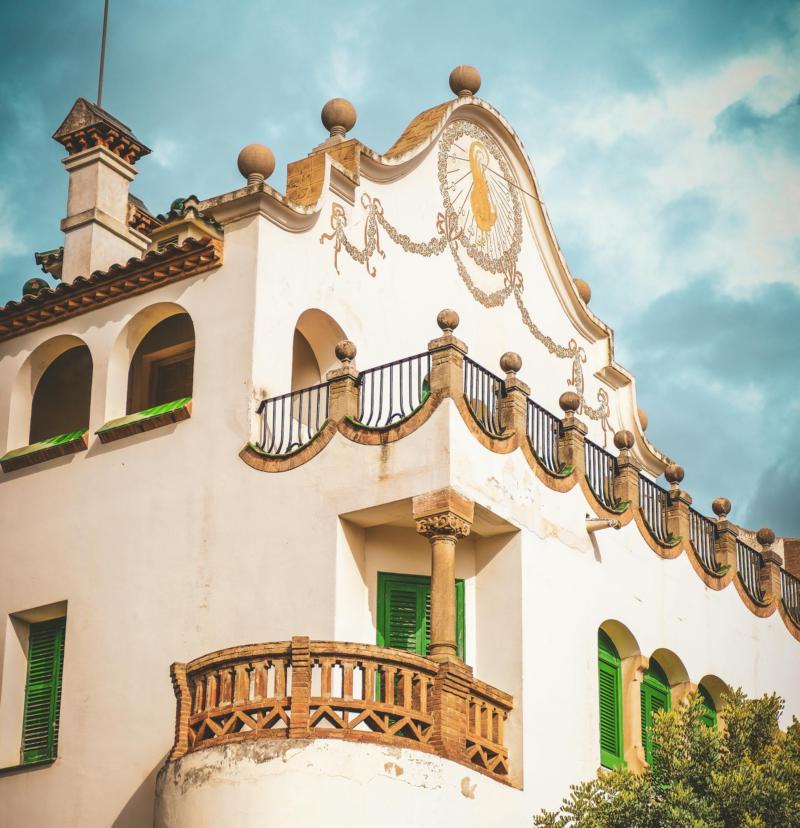
Diagonal Mar: Modern luxury
On the eastern edge of the city, Diagonal Mar represents the newest luxury enclave, defined by its futuristic skyline. In contrast to the historical prestige of the Zona Alta, these modern developments command record-breaking prices on a different proposition: high-tech security, resort-style amenities, and high-altitude penthouses in sleek glass towers offering 360° sea views and direct Mediterranean access.
- Property type: High-rise penthouses in sleek towers with 360° sea views, 24-hour concierge services, and resort-style amenities.
- Prices: €9,157/m²—often the highest in the city due to the "new build" premium.
Where are the cheapest areas to buy property in Barcelona?
While "cheap" is relative in the Catalan capital, buyers with a more modest budget or those looking for high-yield rental opportunities should look toward the northern and eastern peripheries.
Nou Barris: The entry point
Nou Barris remains the most affordable district in Barcelona, offering a working-class atmosphere and significantly more square footage for your money.
- Property type: High-density post-war blocks (1950s-70s). Many units require renovation, which offers a great value-add opportunity for handy buyers.
- Prices: €2,946/m².
- Why Buy: Despite the lower price point, the district boasts innovative green spaces like the Central Park of Nou Barris.
Sant Andreu: Village charm on a budget
Sant Andreu offers a similar village feel to Gràcia but at a fraction of the cost.
- Property type: Traditional low-rise houses and established apartment blocks.
- Prices: €3,730/m².
- Why Buy: The massive La Sagrera infrastructure project is transforming this area into a major transit hub, likely driving long-term appreciation.
Where are the best luxury properties in Barcelona?
Beyond just a high price tag, luxury in Barcelona is defined by architectural heritage or "lifestyle-as-a-service."
- Turó Park (Sant Gervasi): This is the city’s most sought-after urban luxury location. Penthouses with large terraces overlooking the park sell at approximately €9,100/m².
- Dreta de l'Eixample: For those who want to live amidst history, the renovated "Modernista" buildings along Passeig de Gràcia and Rambla de Catalunya are the gold standard. Expect stucco ceilings, stained glass, and prime location for between €8,000 and €10,000/m².
- Avenida Pearson (Pedralbes): If privacy is the ultimate luxury, the gated villas here are the discreet choice for the business elite, with properties often exceeding €10 million.
What are the best residential neighbourhoods in Barcelona?
For families, the definition of "best" is usually tied to the school run. Barcelona’s private and international schools form a distinct corridor in the upper part of the city.
Sarrià-Sant Gervasi (The family choice)
This district is home to top-tier institutions like the British School of Barcelona (City Campus) and Benjamin Franklin International School.
- Property type: Spacious 3–5 bedroom flats with terraces.
- The draw: Safe streets, proximity to Collserola Natural Park for weekend hiking, and a daily rhythm where children can often walk to school safely.
Sant Cugat del Vallès (The suburban ideal)
Located just 20 minutes from Barcelona via the Tunnel del Vallès, Sant Cugat is effectively the city’s most prestigious suburb.
- Property type: Modern detached houses and high-end gated communities with pools.
- The draw: Known as the "Silicon Valley" of Spain, it offers a manicured, green environment with lower density than the city. It is a favourite for expat families seeking a "house with a garden" while remaining connected to the capital.
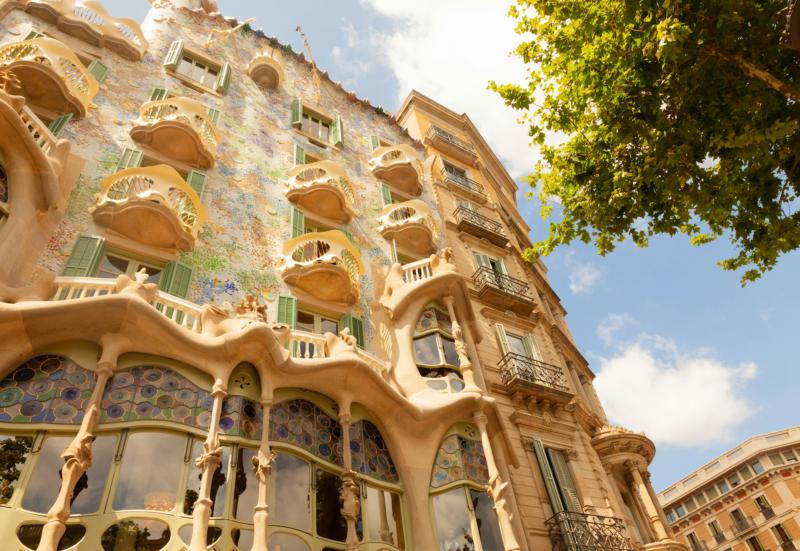
2026 Hotspots - Where to invest in Barcelona?
In 2026, the smart money is moving toward areas aligned with municipal regeneration and massive infrastructure upgrades. Barcelona property investment strategies are shifting toward these high-growth pockets.
- La Sagrera (Sant Andreu): The development of the new high-speed rail station is the largest urban project in Spain. It is creating a "new centrality" with 13,500 new homes and vast green belts. Buying here now is a long-term play on capital gains.
- Marina del Prat Vermell (Sants-Montjuïc): A massive eco-district planned for 10,800 new homes. It targets young professionals and offers some of the best potential for rental yields, which can hit 5% to 6.5% in this zone.
- El Clot / Camp de l'Arpa: These neighbourhoods are in a clear phase of gentrification, attracting interest from buyers priced out of Eixample and Gràcia.
- Sant Antoni: Once a quiet corner of the Eixample, Sant Antoni has become one of the city's trendiest areas. With its renovated market and thriving food scene, it offers a perfect mix of central walkability and strong tenant demand. Buying in Sant Antoni is particularly popular for those looking to invest in renovated character apartments.
- Ciutat Vella remains the most iconic face of Barcelona, though it requires the most diligence from buyers.
- The challenges: Investors must navigate strict regulations on holiday apartment rentals and a tightly supply-constrained market.
- The appeal: Areas like El Born within Ciutat Vella offer character properties with stone walls and wooden beams that are unique in the city.
- The market: Despite the regulatory hurdles, Ciutat Vella maintains some of the highest occupancy rates in the city for long-term lets.
Is buying property in Barcelona a good investment?
The short answer is yes, but the strategy has changed significantly for 2026. With a chronic housing shortage and limited land, Barcelona is a classic "supply-side" market. While prices are at historic highs, they are backed by real demand and a growing population. Analysts see a 25% growth potential over a 5-year horizon in a base-case scenario.
The rental dilemma in Barcelona
Investors must be aware that Barcelona is a "Stressed Housing Zone." As of 2026, the IRAV index caps rent increases at 2.14% for standard long-term leases.
- The strategy: To maximise yield, many investors are moving toward "unregulated" segments, such as corporate lets or temporary housing for students and digital nomads, where pricing remains more flexible.
- The tax factor: Catalonia’s Property Transfer Tax (ITP) starts at 10% and climbs to 13% for properties over €1.5 million. Furthermore, "Large Holders" (owning 5+ properties in stressed zones) face a flat 20% ITP on new acquisitions.
Barcelona remains a world-class investment for those seeking capital preservation and lifestyle appreciation. It is a high-barrier-to-entry market that rewards those who buy for the long term.
| District / Neighborhood | Avg Price (€/m²) | Avg Rent (€/m²) | Market Profile |
| Sarrià-Sant Gervasi | €6,949 | €22.9 | Ultra-Prime / Family |
| Eixample | €6,363 | €25.8 | Core / Professional |
| Les Corts | €6,274 | €21.4 | Prestigious / Academic |
| Gràcia | €5,453 | €23.6 | Lifestyle / Creative |
| Sant Martí (Poblenou) | €4,885 | €22.8 | Tech / Modern |
| Ciutat Vella | €4,760 | €25.0 | Historic / Investor |
| Sants-Montjuïc | €4,477 | €20.1 | Emerging / Commuter |
| Nou Barris | €2,946 | €16.0 | Budget / High Yield |
Greater Barcelona: The Coastal lifestyle near the city
If the density of the city centre is not for you, the Barcelona province offers some of the most sought-after coastal towns in the Mediterranean. This region functions as a natural extension of the city’s luxury market, attracting international buyers who demand sea views, privacy, and expansive plots of land that are simply unavailable within the municipal grid.
Connectivity is the backbone of this market; with the C-32 motorway and the Rodalies rail network, these coastal retreats are often just 20 to 40 minutes from Plaça Catalunya, making them viable sanctuaries for hybrid-working professionals. Furthermore, the presence of prestigious international institutions like Hamelin-Laie and the British School of Barcelona ensures that these areas are as practical for year-round family living as they are for a secondary summer retreat.
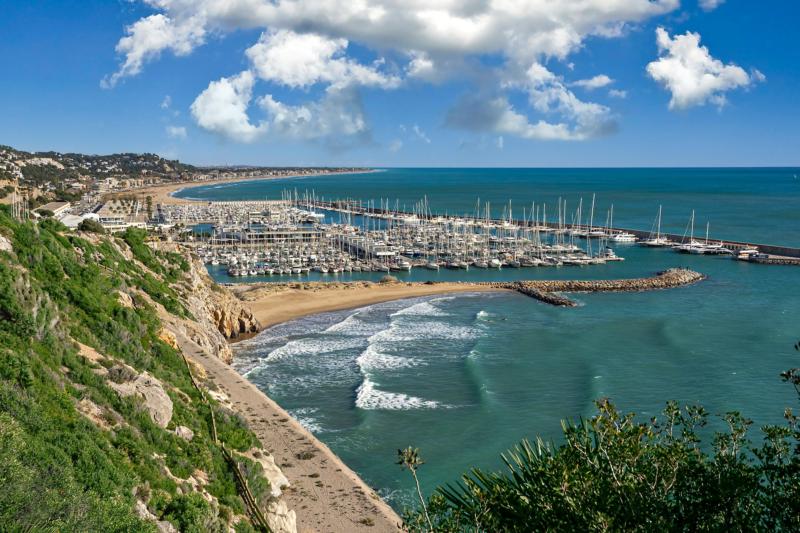
Castelldefels: The commuter’s beachfront
Just 20 minutes south of the city, Castelldefels has emerged as one of the most active real estate markets in 2026. It offers a unique lifestyle balance: five kilometres of golden beaches paired with high-end residential mountain enclaves.
- Prices: Average prices in 2026 sit at €4,290/m², a steady 3.17% increase year-on-year.
- Property type: Bellamar is the town's premier luxury address, featuring ultra-exclusive villas with panoramic sea views that attract high-net-worth international buyers. Montemar is the preferred choice for families, offering elegant detached houses and immediate access to the British School of Barcelona.
- Why buy: It is the most practical choice for frequent travellers due to its 10-minute proximity to the airport.
Sitges: The Jewel of the Garraf
Sitges is more than a resort; it is a year-round international community with over 300 days of sunshine.
- Property type: A mix of charming townhouses in the old centre and spectacular modern villas in areas like Levantina or Punta Gaviota.
- Prices: Recently broke into the Top 10 most expensive locations in Spain, with average prices around €5,192/m².
The Maresme Coast: Coastal value
Just north of Barcelona, Costa Maresme has become a strategic choice for buyers seeking larger properties, sea views, and stronger value compared to the city centre.
- Property type: Modern, functional villas integrated into vineyards and natural parks, often featuring infinity pools and panoramic views.
- Prices: The luxury housing market in Alella ranges between €2,800 and €3,300/m², offering significant savings compared to prime city areas.
- The appeal: Known as the "Beverly Hills" of the region, these towns offer larger properties and better value than the city centre. It is a top choice for European buyers looking for premium seaside villas often exceeding €2 million.
The buying process in Catalonia: 2026 checklist
Buying property in Barcelona requires diligent legal preparation due to the region's specific fiscal laws.
- Closing costs: Budget for 12% to 14% on top of the purchase price for taxes (ITP/VAT) and fees.
- ITE (Building Inspection): In a city with so many historic buildings, always check the ITE status of the block to avoid unexpected community repair bills.
- Tourist licenses: If your goal is holiday rentals, be extremely cautious. New licenses are almost impossible to obtain in central Barcelona, and existing ones are being strictly monitored.
- The 30-Day window: You must pay your ITP tax within 30 working days of signing the deed to avoid heavy penalties.
The Barcelona region in 2026 has successfully transitioned into a period of mature, sustainable value. It remains a top-tier destination for expats and investors who prioritise cultural richness and long-term stability over short-term speculation. Whether you are drawn to the historical elegance of Eixample, the coastal tranquillity of Sitges, or the investment potential in La Sagrera, you are acquiring property in a global hub that continues to defy supply constraints. With a wide range of options across the city's diverse Barcelona neighbourhoods, the Catalan capital remains the ultimate destination for combining a savvy investment with the incomparable Mediterranean lifestyle.
Ready to find your Barcelona home? Start exploring thousands of properties across the province.

Last updated: 12/05/2026
Was this article useful?
The information contained in this article is for general information and guidance only. Our articles aim to enrich your understanding of the Spanish property market, not to provide professional legal, tax or financial advice. For specialised guidance, it is wise to consult with professional advisers. While we strive for accuracy, thinkSPAIN cannot guarantee that the information we supply is either complete or fully up to date. Decisions based on our articles are made at your discretion. thinkSPAIN assumes no liability for any actions taken, errors or omissions.
Related Topics
Related Articles