
VALENCIA grew alongside the river Turia for many years and has a very special relationship with its water way. After the devastating flood of 1957, it was decided living alongside the river had become too great a risk and it was diverted. Today, the Turia’s old courseway is the largest urban garden in Spain, even though there was pressure for it to become a motorway...
LAST OCTOBER, the floods in Valencia were all over the news. Yet in Spain, it is a kind of ritual: every autumn, the heavens open. And what tends to alarm visitors and those new to the area doesn’t bother the Valencians, who have lived with the October deluges for centuries.
In fact, it was October, fifty years ago, when the great flood of Valencia left the city underwater and forced the river Turia to be diverted southwards, for safety reasons. These days, there are still odd problems with the river bursting its banks, but nothing comparable to that great un-damming of the Turia in 1957.
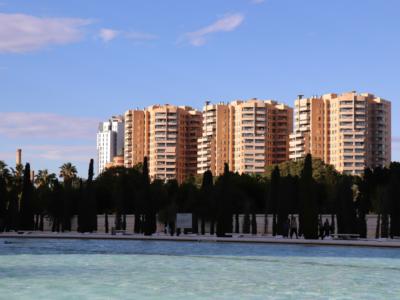
As the popular Spanish proverb goes, ‘nothing bad ever happens where some good doesn’t come out of it’, and the catastrophe of 1957 brought with it an amazing silver lining. The river turned into a magnificent garden that crosses the city from the north to the south and offers numerous possibilities for walking and sightseeing to visitors and residents.
City break in Valencia You could do worse than spend a weekend exploring the capital of the Turia river. A city break in Valencia lets you not only get to know the history of the great flood but also to enjoy the river as it is today. A river that magically transformed into a massive and beautiful garden with some of the city’s greatest cultural attractions on its shores.
Among them, the Ciudad de las Artes y las Ciencias; the Valencian Contemporary Art Museum (IVAM) and the San Pio V, one of Spain’s largest and most famous classical art galleries. Sports fans will also find a world at their feet in the old Turia riverbed. Mountainbiking, football and pingpong are all popular in the area. In fact, the horror and devastation that went with the disaster of 1957 turned Valencia’s ground zero into the heart of this beautiful, cosmopolitan and versatile city.
The great flood Valencia is commemorating the catastrophe that changed the face of the city this autumn. On October 14, 1957, when the river Turia burst its banks and flooded practically the whole of the centre of the city, some of its most attractive and central streets like Calle La Paz and Calle Las Barcas were submerged in water of up to 2.5m (7’8”).
Strolling through these streets you will see small inscriptions on the rendering of some of the buildings that say, ‘the water came up to here’. The material damage and human loss were catastrophic. The tragedy did not appear on the news because we didn’t have TV in those days, but the camera footage of a number of intrepid photographers are pretty impressive.
Move the river This was not the first time Valencia suffered a great flood. Earlier ones were recorded in 1897 and 1949. After the flood of 1957, the authorities decided to divert the river towards the south of the city. Meteorological records show that during the 1957 flood, 600 litres per square metre fell in 24 hours. Considerably more than last week, when around 100 litres per square metre were registered in Valencia city.
The triumph of environmental battle The decision to move the river was the most important that Valencia has ever made, but it gave vent to a long, drawn-out battle for the old riverbed to be turned into a public garden. Massive protests and demonstrations managed to stop the authorities, thankfully, from turning it into a motorway in 1966, and led to their giving in and letting the people of the city have the spectacular, verdant, garde