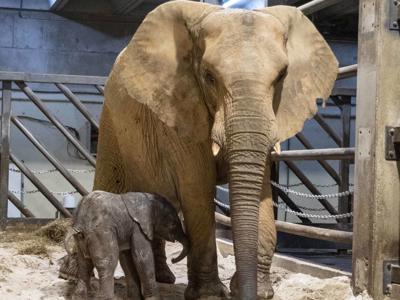
Into the wild: 'Baby safari' at the BioParc
ELEPHANTS being born in the middle of Spain's third-largest city is not something that happens every day. In fact, until this month, it had never happened before.
Sign in/Register
Looking for the Professionals/Advertiser Login?
By Signing up you are agreeing with our Terms and Privacy Policy.Forgot your password?
Feedback is welcome

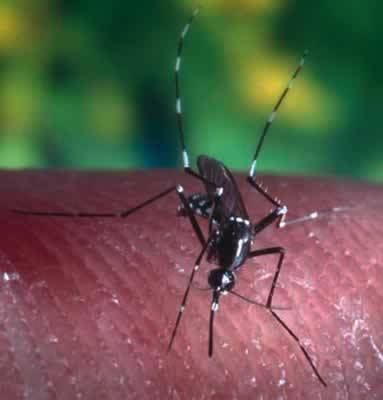
The bite of this insect is extremely painful and can transmit infections such as dengue fever and Japanese encephalitis among others.
Dengue is a viral infection that causes high fevers, muscular pains and skin rashes and Japanese encephalitis is inflammation of the brain.
Although there have not been any cases of these terrible diseases in Europe as yet and it is unlikely there will be any in the short term, the risk of outbreaks is worrying researchers.
The Asian Tiger Mosquito has already bitten thousands of people in Rome, and although it hasn’t reached Spain, it is only a matter of time.
The mosquito aggressively attacks people either alone or in groups during the day meaning people living in areas where the insect takes hold suffer serious impairment to their quality of life.
Suburbs of the city of Rome have been plagued for almost six years and neighbourhoods are now infested with thousands of tourists and residents suffering bites in spite of the authorities’ two and a half million euro pest control plan. The mosquito has now spread through most of Northern Italy.
The tiger mosquito (Aedes albopictus) is an eye-catching creature with a black body and white stripes. It originates in the jungles of south-east Asia but has found a new home in European towns and cities after travelling here on shiploads of used tyres. There are already colonies established in some parts of France, Italy and Albania. A group of researchers is keeping vigil and studying its possible migration to the Iberian Peninsula and a cartographer has drawn up a map of potential spots in danger within the insect’s reach. Rainwater accumulating in the cargos of tyres is the perfect place for the mosquitos to lay their eggs and breed.
Boats loaded with these goods unload regularly all over the world and also leave mosquito eggs behind them with the tyres. Apart from Europe the mosquito has colonised parts of Africa, South and North America and Polynesia. Just one more example of biological globalisation that Man’s activities are causing on Planet Earth. New species are appearing everywhere causing ecological imbalances and health problems – but this is just the beginning.
Spain has created a network called EVITAR (AVOID) to study the viral diseases transported by insects and rodents. Researchers from the group are studying the accidental importation of species and are visiting each of the rubber transport companies one by one to explain the situation and ask for their help.
To make the job easier, the scientists have drawn up a climatic map of Spain to pinpoint spots where the insect is likely to thrive. Rainy places where it doesn’t get too cold with a fairly dense population including Galicia, the whole of Cantábrica, Extremadura, Western Castille, Southern Andalucia and Catalunya are though to be particularly at risk. However, whatever the experts do, the mosquito is on its way. Roger Eritja, entomologist from the Mosquito Control Centre of Baix Llobregat (Barcelona) explains: “Stopping the invasion is impossible, because of the scale of the risk and the difficulty involved in controlling the activities that bring the mosquitos here where they thrive in our climate.”
The mosquitos find thousands of places to breed: gardens, water tanks, sewers, gutters, flower vases in cemeteries and virtually anywhere where water can collect.
How likely is it to start spreading diseases?
In Asia it already causes dengue and can also carry flavivirus, alfavirus and bunyavirus pathogens, as well as dirofilaria immitis. Most of these strains are never seen in Spain, so should we be worried? “There is no dengue in Spain at the moment as the transmission insect is not here. But as soon as it arrives, we are going to start seeing it”, warns Joaquim Gascón, tropical medic
ELEPHANTS being born in the middle of Spain's third-largest city is not something that happens every day. In fact, until this month, it had never happened before.

RAIL board RENFE has made two announcements this week: One, that pet-parents may be able to take their dogs on trains if a pilot study works out as hoped, and two, that the long-distance ALVIA routes to and within the...

A FUN, splashy and cute coastal sport has come to Europe for the first time ever and is being held right now in Asturias – dog-surfing is very deep-rooted in California, USA, and Australia holds regular championship...

PET PARENTS who get a new fluffy friend from Fuengirola's local shelter will not have to pay for vaccines, microchips, sterilising or compulsory paperwork – even if they take them home months before these are due.