Spain needs three times the effort to meet EU's emissions targets
Spain needs three times the effort to meet EU's emissions targets
SPAIN will have to treble its efforts in reducing emissions to enable it to meet the European Union's carbon footprint targets, according to the acting environment ministry.
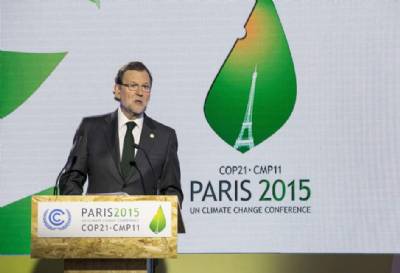
Following measures announced by the European Commission in order to meet the COP21 Paris Summit Agreement, member States are required to cut CO2 emissions recorded in 2005 by 26% before the year 2030 - a target environmental experts believe is easily workable, but which presents Spain a daunting challenge.
Europe's carbon footprint reduction goals are considerably more ambitious than those posed by the United Nations, being a drop of 40% on readings from the year 1990 by 2030.
For Spain, transport, waste management, residential emissions and deforestation are high on the target list - especially since a report last week revealed that 20% of the nation's countryside is suffering from desertification.
Trees, plants and greenery in general are completely necessary for cutting CO2, one of the main greenhouse gases - they 'eat' carbon dioxide and produce oxygen.
The Amazon rainforest produces 75% of the world's oxygen, which is why its deforestation has been considered an environmental disaster.
And Spain is acutely aware of this, realising the need to plant more trees - especially in areas destroyed by forest fires, which are almost a weekly occurrence in summer.
Management of farmland and pasture comes under this heading, known as 'LULUCF activities' - a maximum of 29.1 million tonnes of CO2 may be used for these industries, and Spain's environment ministry is conscious of having to keep this in check.
Major metropolitan areas in Spain have attempted to address the problem, with Madrid's mayoress Manuela Carmena even shutting the city centre to traffic for several days at a time when carbon dioxide readings were too high.
The success or otherwise of recycling varies dramatically according to area, with some towns paying little or no attention and failing to install sufficient paper, bottle, tin and plastic banks in residential areas, and others winning prizes for their huge contribution.
Concerning residential emissions, the introduction of compulsory energy efficiency certificates for homes being sold or let goes some way towards helping Spain achieve the EU's target.
During the inspection required for awarding an energy category from A - very 'green' - to G, or not at all fuel-efficient, the surveyor recommends ways of cutting consumption in the property, which the owner can then address at leisure with a view to reducing his or her bills and achieving a better rating, which adds value to the property.
Despite the strategies Spain has in place, 'green' campaign group Ecologists in Action says Europe's so-called 'ambitious' target is 'pathetic', and way below what a wealthy western country ought to be able to achieve.
"These targets are totally insufficient," complains the group's global warming expert Javier Andaluz.
"Instead of helping to limit the average year-round temperature, they condemn the world to a climate chaos with an increase of between 2ºC and 2.4ºC between now and 2030."
Figures have shown that this average temperature increase would be enough to cause the seas to rise to such a degree that the main beach hubs in Benidorm, Cullera (Valencia), and parts of the Costa del Sol would end up literally under water by the year 2050.