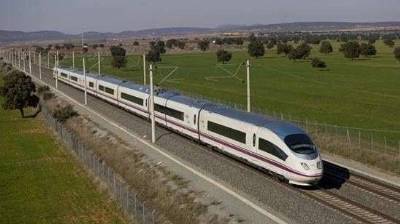
NATIONAL rail board RENFE is considering linking up with car-pooling network Über to increase passenger numbers and 'become more modern'.
Initially suffering backlash across Europe, particularly from taxi drivers, for presenting what many considered to be 'unfair competition', Über started in the USA and, like its European counterpart BlaBlaCar, is a system whereby anyone who plans to drive to a specific place at a given time and date can advertise their spare car seats for a fee.
It works out one of the cheapest ways of communal travel, and can be very convenient when no trains or coaches are available.
RENFE has already launched combined coach-and-train and even plane-and-train tickets to streamline the door-to-door journey and cut down on admin for passengers, but now it wants to go one step further and partner with Über to cover areas not reached by rail tracks.
“Multi-modal transport is going to continue to be the future for RENFE,” says the new company chairman Juan Alfaro.
“We intend to promote rail services by combining them with other forms of transport, striking agreements with other companies and networks – both the traditional methods of travel such as coaches, ferries and airlines, and the newer ones which are starting to appear on the market, such as car-pooling or renting cars by the day or the hour.”
Within its drive to 'invest in the future', RENFE has announced it will continue its programmes of discounts and special offers for the high-speed AVE links and long-distance rail travel which it started in 2013, and which has resulted in record numbers of travellers opting to make their journeys by train.
Alfaro says RENFE wants to 'rejuvenate its image', giving the impression of an 'innovative and youthful company' which 'interacts with its 21st-century customers in a digital world'.
This has so far included on-board wi-fi on the fast AVE trains, launched in December and still suffering some teething problems, which the rail board says it is working on.
Having closed 2016 in profit for the second consecutive year, RENFE is aiming to be a 'safe, efficient, profitable and sustainable' firm which 'respects the environment'.
Working on energy efficiency in response to growing social awareness is among its short-term future plans, Alfaro explains.
Rail travel in Spain, although very limited, is extremely cheap compared with the UK; trains are clean, comfortable and modern – even city metro lines – and it is very rare indeed for them to turn up late; in fact, they nearly all arrive exactly at the minute stated on the timetable.