Town speed limits should be 30km/h to protect pedestrians, says study
Town speed limits should be 30km/h to protect pedestrians, says study
SPEED limits in built-up areas should be a maximum of 30 kilometres per hour (18.75mph) to keep pedestrians safe, according to research.
According to the paper by Pons Seguridad Vial, anyone who is run over at this speed has a 90% chance of surviving the accident – and with 389 pedestrian deaths in 2016 alone, this is a serious issue which can and should be avoided, the study says.
Working with the association Red de Ciudades que Caminan ('Cities-that-Walk Network'), Pons Seguridad Vial's research, titled Ciudades pensadas para caminar ('Cities designed for walking'), claims that those built-up areas where the limit has been cut to 30km/h have seen an 80% reduction in pedestrian accidents.
In towns and cities where the speed limit has not been altered and remains at 50 kilometres per hour or 60km/h on outer urban minor roads, the number of walkers getting run over has risen by 18%.
The Pons Foundation on road safety is run by former traffic authority leader Pere Navarro, the minister who introduced the points-based driving licence system, and was the spokesman who presented the speed-limit study.
“If you're driving, you create a risk for everyone else whilst you hardly face any risks yourself, and yet pedestrians do not produce any risks at all,” Navarro says.
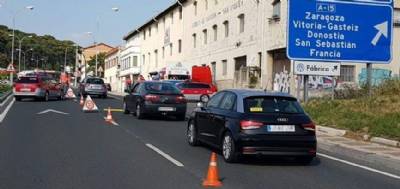
The photograph was taken by the regional police force in Navarra, the capital of which is Pamplona, near the Pyrénées.