Post office opens 11,200 jobs, preventing Christmas strikes
Post office opens 11,200 jobs, preventing Christmas strikes
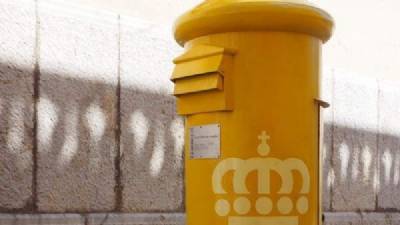
SPAIN’S post office has agreed to take on 11,200 employees and improve salaries for all existing staff in 2019 and 2020, averting strikes planned for December 21 and Boxing Day.
Correos, as the State-run postal service is known, has struck an ‘unprecedented’ deal with unions which will see wages go up by at least 9% and temporary job contracts reduced from 35% of the workforce to just 8% - the latter being merely to cope with busy seasons, meaning all other employees will be placed on permanent contracts.
The agreement will also provide pathways to promotion, and staff training, to Correos’ 51,000-plus employees, and Saturday working will now become voluntary with increased overtime payment for those who agree to the weekend shift.
Of the 11,200 new jobs, a total of 4,055 will be opened up in 2019 in the face of industrial action which took place on November 30 and two other strike days either side of Christmas, which were finally called off by the main union involved, the Labourers’ Commissions (CCOO).
According to the Independent Central Public Sector Workers’ Union (CSI·F), next year’s new vacancies will include 1,869 to cover those who left or retired in 2017, another 1,612 for those who moved on in 2018, and another 574 to ‘stabilise’ staff numbers.
The 2017 and 2018 replacements will be advertised before the end of this year.
Jobs up for grabs include positions in sorting, delivery and customer service.
Like all public sector roles, they will be dependent upon passing civil service exams, known as oposiciones, which are normally taken in regional languages where these exist or in Spanish in regions which do not have co-official tongues.
These exams include a generic paper with 60 questions, of which 10 are ‘psycho-technical’, all of which must be answered within 55 minutes.
Subject-specific exams for each of the three roles involve 40 questions, to be answered in 35 minutes.
They cover a total of 13 subject areas.
Preparation can be done online or via distance learning, although the best possible method is to enrol in a school specialising in oposiciones and to practise with as many past papers as candidates can before the exam date – which the school in question will be able to provide.