
• Property for Sale
  • To Rent
  • Holidays
  • Directory
  • Articles
  • Jobs
    • € EUR
    • Professionals/Advertiser Login
    • Advertise your Property on thinkSPAIN
    • Sell your property with an estate agent
    • Add your Business to the Directory
    • Advertising with thinkSPAIN
    • List a job vacancy on thinkSPAIN
    • By Signing up you are agreeing with our Terms and Privacy Policy.

      Looking for the Professionals/Advertiser Login?
      or

      Don't have an account?  

      • Follow us:

By Signing up you are agreeing with our Terms and Privacy Policy.

Looking for the Professionals/Advertiser Login?
or

Don't have an account?  

Sign up

By Signing up you are agreeing with our Terms and Privacy Policy.
or

Already have a thinkSPAIN account?

Sign in/Register

By Signing up you are agreeing with our Terms and Privacy Policy.
or

Don't have an account?

Forgot your password?

thinkSPAIN Logo

Nice try: You can't 'beat the breathalyser' by sucking lemons, say police


Nice try: You can't 'beat the breathalyser' by sucking lemons, say police

thinkSPAIN Team 27/04/2019

Nice try: You can't 'beat the breathalyser' by sucking lemons, say police
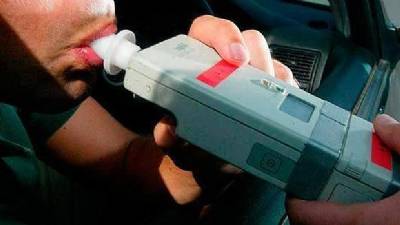
GUARDIA Civil traffic police have exposed some of the most common 'clever tricks' used by drivers over the alcohol limit to fool officers into thinking they are sober and to try to 'beat the breathalyser' - but, bad news for anyone with little regard for other road-users' safety: they don't work.

Random breathalysing checks are often programmed ahead of major public holidays, during the start of the summer traffic exodus and the 'operation return' in September, during or after important football matches, parties or events and, less frequently, over ordinary summer evenings and weekends - but they can also crop up for no apparent reason.

You may as well cooperate, because refusing to be breathalysed is a criminal offence - and, if you've taken the decision to drive, you should be in a position not to have to worry about the test.

But the Guardia Civil says there are always motorists who think they can outsmart the police, and there will always be someone in a social group who confidently tells the others that they 'only have to do this one thing' and authorities will 'send you on your way'.

This is not clever, the General Directorate of Traffic (DGT) says, because alcohol is present in 30% to 50% of crashes involving deaths, making it one of the biggest risk factors on Spain's roads.

"Drinking olive oil, chewing grains of rice, chewing-gum, sucking a lemon or drinking egg-white...these tricks and others like them do not alter the breathalyser result," the force says on its Twitter site.

"And if you mix them with alcohol, they can cause a colossal stomach ache!

"The best way to beat the breathalyser is sticking to 0,0."

Other rumoured techniques that are said to lead to an alcohol-free result in a driver who is over the limit include swilling mouthwash, drinking several litres of water, making oneself sweat, or having a coffee or Red Bull as one's last drink of the night - but these are equally pointless, traffic police say.

Many drivers believe breathalysing, which shows up the quantity of alcohol in the breath, also shows the amount of alcohol in the bloodstream, meaning disguising breath content will, additionally, show a zero reading for blood alcohol levels.

But this is not true - it is the saliva involved in a breathalyser test which shows up blood-alcohol levels, meaning these will be evident purely by the driver putting the tube into his or her mouth.

Police also have a message for those who think they can drink and then take a 'secret' cross-country shortcut home to avoid spot-checks: the Guardia Civil knows every road in the country, and you cannot 'hide' by taking a back street instead of a major highway.

They have, in the past, debunked urban myths among expats about whether or not their urbanisation roads are 'exempt' from drink-driving laws: rumours have circulated among British nationals especially that, if they live on an estate which has not yet been 'adopted' by the local council due to its construction not having been completed in accordance with the original plans - or does not yet have 'cédula' - that the roads are 'private' rather than 'public' and it is 'not against the law' to drive on them over the limit.

This is not the case, since cédula covers jurisdiction and responsibility for public service provision, not ownership, meaning all the usual road laws apply - and in fact even on a gated urbanisation with security barriers or pass codes at the entrance, drinking and driving is still dangerous and offenders will be punished accordingly if caught.


Related Topics

  • Transport

Advertisement

  1. Spain
  2. Nice try: You can't 'beat the breathalyser' by sucking lemons, say police