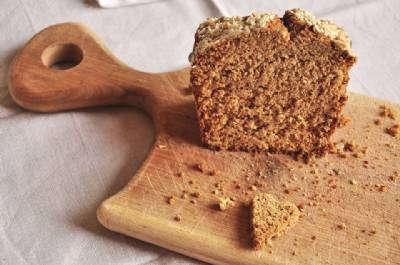
Law reform tightens definition of 'wholemeal' bread
Law reform tightens definition of 'wholemeal' bread
A NEW law which came into effect yesterday (Monday) restricts the definition of 'wholemeal bread' and brings the IVA, or value-added tax, on it down from 10% to the bottom rate of 4%.
Until now, bread labelled 'wholemeal' often contained only a tiny portion of wholemeal flour – if any at all – and other agents such as malt were used to give it the brown colour.
The flour, when described in the ingredients as 'wholemeal', was often refined white flour with the wheat bran added in afterwards – but now, it can only be given this distinction if it contains the complete wheat germ and makes up a significant part of the content.
In fact, 75% of bread sold as 'wholemeal' until now was merely white bread with extra bran and colouring.
This is largely because 'genuine' wholemeal flour is more expensive and more difficult to work with.
Royal Decree, or Bill of Law number 308/2019 – popularly known as 'the Bread Law' – also prevents products being labelled as 'sourdough bread' or 'rye bread' unless these are in fact used and are high up the ingredient list.
It replaces a law in force since 1984 which included enough legal loopholes to effectively allow bread to be sold under labels that bore little resemblance to what they actually contained.
Wholemeal bread – or what legally passed for it until now – attracted IVA at the middle band, currently 10%, but this has now dropped to the lowest band of 4% along with white bread which is considered a 'staple', meaning value-added tax cannot, by law, be higher than the minimum.
In practice, it will only save shoppers a few cents a loaf, but in the long term, this will mean more consumers can afford to justify buying the higher-fibre, more nutritious version.
The law change affects packaged bread sold in supermarkets as well as homemade loaves sold in bakeries and coffee shops, although it is not yet clear how compliance will be guaranteed.