
HISTORIANS are trying to decide what to do with a Phoenician boat found off the coast of Mazarrón (Murcia) and have opted to leave it on the sea bed for the moment.
Dating back to the seventh century BC, the craft – baptised the Mazarrón II – was discovered in 1994 and has remained there since, but a recent inspection by expert marine archaeologist divers from the National Underwater Archaeology Museum (ARWVA) has revealed it is in far better condition than they expected.
After a quarter of a century under the sea since its discovery, heritage pundits feared it would be falling into ruin by now, but were pleasantly surprised at how it had not deteriorated greatly in the last two-and-a-half decades.
Director-general of fine arts for the Scientific Commission for Monitoring the National Underwater Heritage Protection Plan – part of the central government's culture ministry – Román Fernández-Baca Casares says a full analysis will be carried out before deciding whether it will be safe to bring the 2,700-year-old vessel to the surface, or whether it should be left where it is to prevent its falling apart.
“We need to ensure the best possible conservation process by increasing the number of risk analyses carried out, which will show us the way ahead,” Fernández-Baca says.
“This, of course, does not rule out extracting the boat.”
For the moment, the most recent Commission meeting concluded that 'urgent protection measures' need to be taken to preserve the craft, which Fernández-Baca describes as 'a unique testimony' of Naval construction in the western Mediterranean from the BC era.
At present, the Commission is divided on whether to try to bring up the boat, although those who are in favour of doing so straight away are said to be in the minority.
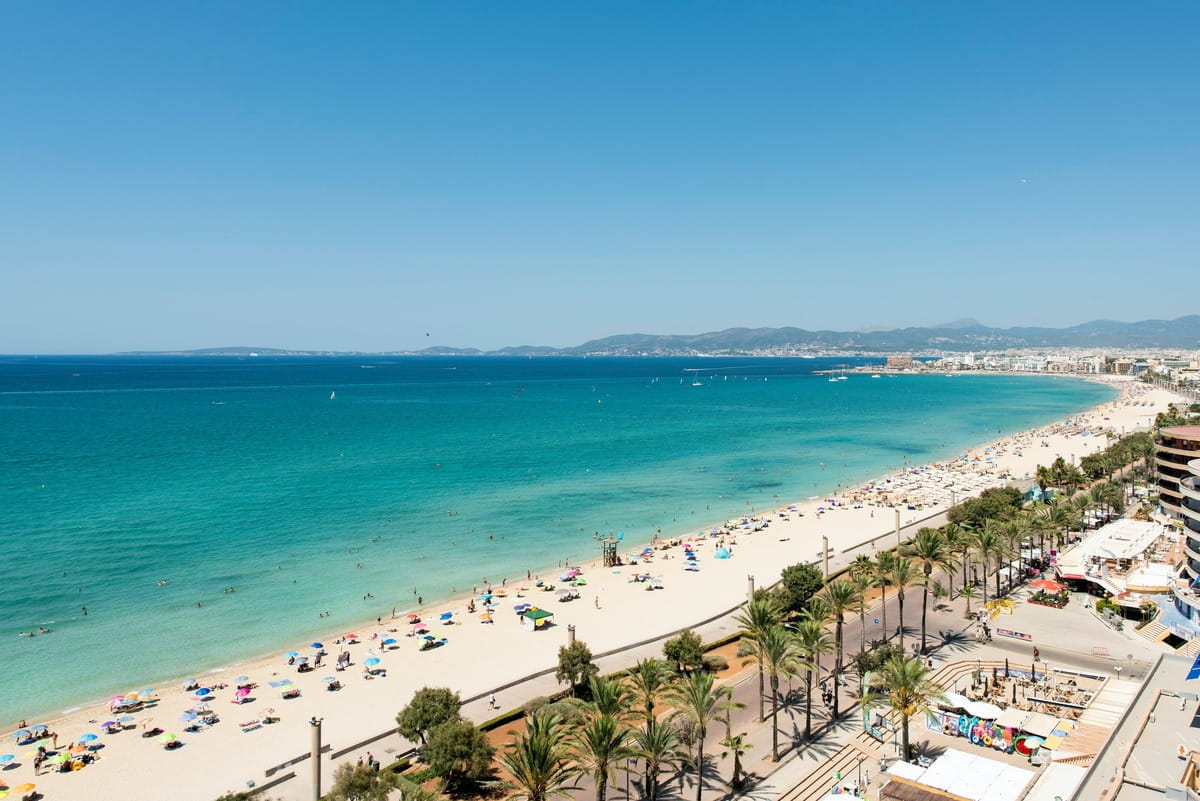
The boat, on the sea floor off the Playa de la Isla beach, is shown above in a photograph taken by Mazarrón town hall.