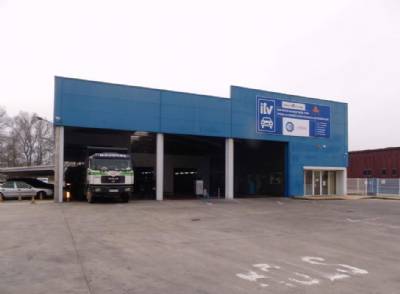
CHANGES are set to come in for the mandatory vehicle inspection required bi-annually for cars of four years old or more and annually for those over 10 years old.
From May 20 this year, any cars of two years old or more – since these need to go through their ITV inspection if they have ever been used as a hire car – will need their complete technical data passed on by the manufacturer.
The test will pay more attention to the electronics in the vehicle, and ITV inspection centres, which are State-run, will need to have the necessary new equipment to do so.
These will allow them to enter the computer systems in new cars and check information relating to emissions, ABS braking, assisted steering and airbags.
The changes have come at the instigation of the European Union, which aims to streamline testing methods and requirements across the 27 member States.
More amendments are on the cards, which include being able to switch to a different test centre within the month after a fail, to carry out the test up to a month before the expiry day, and upgraded training for mechanics carrying out the inspections.
ITV tests do not have a set due date, but instead, are required to be carried out within a given month.
Stickers must be displayed on the windscreen, which show the year the ITV expires, and the months along the top of the sticker will have one punched out – if, for example, this is January, the owner will be required to have passed the test before the end of January, but can do so on any date of that month.
Sometimes, when a vehicle passes its ITV, the examiner will refer on the report sheet to 'minor faults', which are not serious enough to warrant a fail but which will need to be corrected before the next ITV is due.
Drivers are normally inside their cars when they are tested, and are given instructions – such as to stand on the brake, put the gearstick in reverse, switch on lights or indicators – and all mechanical functions are checked.
Although verifying liquid levels is not part of the test per se, an examiner may well flag up to an owner if they are low on oil or brake fluid.
An ITV should not replace maintenance checks or a service, but older cars which are required to go through an ITV annually will normally come away from the testing centre with a good idea of what they need to do.
Fan belts and cam belts should typically be checked and, if necessary, changed every 60,000 kilometres, and it is worth checking the oil levels every month, although 21st-century registered cars on average only need their oil verified every 15,000 kilometres.
It is usually advisable to change the oil completely, and probably the filter, every 15,000 kilometres or, in older cars, every year even if the distance travelled is less.
Air filters, brakes, brake shoes and brake fluid should be checked at around the same frequency, and the latter three especially during the winter months.
Windscreen wipers should be examined after every summer, since the extreme heat in Spain at this time can cause the rubber to dry out and crack.
Tyres are the most common cause of ITV failures, and it is worth checking these at least annually.
The same brand of tyre must be used for each pair – front and back – and the tread should be approximately enough to insert a euro coin in them.