ANIMALS at Tenerife's biggest and most famous safari park are celebrating the start of summer via social media to keep in touch with their human fans until the centre reopens for visitors.
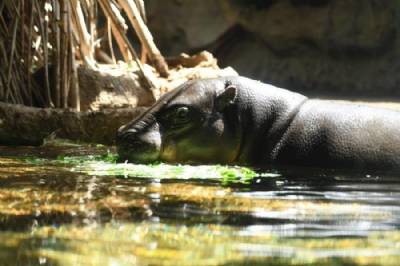
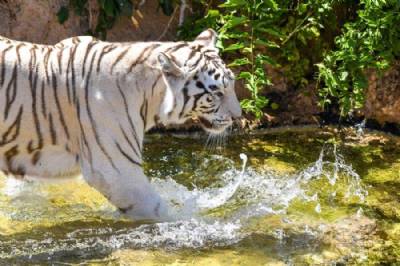
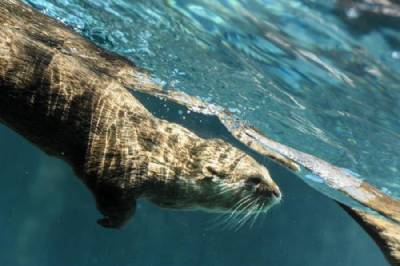
Loro Parque – 'Parrot Park' – in Puerto de la Cruz in the north of the island has been active on Facebook, Twitter and Instagram during lockdown, and has now regaled its followers with stunning pictures of exotic animals taking a refreshing dip, eating fruit and vegetable ice lollies, and relaxing in the sun.
Otters, chimpanzees, hippos, jaguars and tigers are the main stars of the show on Loro Parque's first post of summer 2020, and staff who run the centre's pages reveal fun facts about the animals featured.
They also explain how Loro Parque's careful attention to the animals' environment – making it as close as possible to their natural habitats – helps to encourage them to be 'proper' wild animals and act as their species would in their native environments.
This enables them to guarantee their wellbeing and keep them mentally and physically active.
Loro Parque is currently working on upgrading its facilities and setting up the necessary safety and hygiene features for when visitors are able to return.
Its reopening date has not been confirmed yet, but with Spain's having entered what is known as 'the New Normality' from today (Sunday, June 21), meaning it is officially out of lockdown but with social distancing and protection procedures still in place, Loro Parque is likely to be welcoming humans in again very soon.
Spain is home to several safari parks, which play a vital rôle in reproduction of wild animal species which are in danger of extinction, and its expert staff pay close attention to the creatures' surroundings to ensure their native environments are recreated as near as possible so they can behave as they would in the wild.
Some of the most popular include Terra Natura in Benidorm, the BioParc in Valencia, and Cabárceno Park in Cantabria – the latter being completely open-air with the animals roaming the countryside and probably unaware they are not in the wild.
In fact, as the creatures at these centres were born in 'captivity', they are perfectly content in their environments in Spain.
Also, Spain's stringent animal protection laws, and the exceptional qualifications and expertise of safari park staff, guarantee that the creatures flourish and keep mentally and physically healthy.
At this time of year, many of the animals will spend a lot of time swimming or wading in natural pools, and eating frozen fruit, vegetables, plants, meat and fish made into 'animal iced lollies' to keep them cool.