
RESIDENTS in Spain will spend around €735 on Christmas, an increase of 15% on last year's festive season, according to a leading consumer organisation.
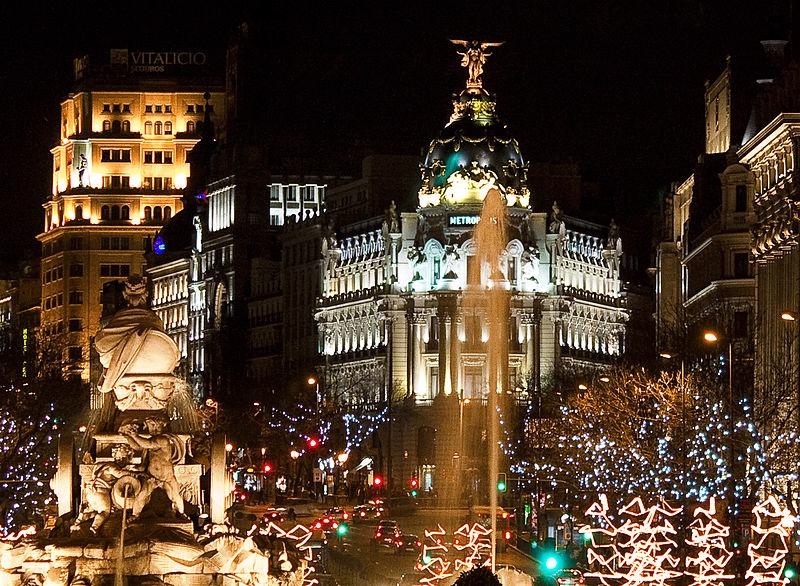
Christmas lights in Madrid's Plaza de Cibeles (photo: Wikimedia Commons)
The OCU carried out a survey using a stratified sample of 2,041 people, and found that the average Spanish inhabitant expects to spend €393 on presents – somewhat more than in 2021, when the typical figure was €348.
Travel and holidays will account for €101 of their budget, being a rise of just over a quarter since last year, when the same survey found most people expected to spend about €80.
Meals out and lunches with friends and work colleagues will probably cost around €138 in total, respondents said.
In Spain, the Christmas lottery, known as El Gordo, is a deep-rooted tradition – drawn on December 22, whichever day of the week it falls on, the odds of a win are higher than usual due to the smaller pool of players, although the prizes tend to be smaller.
Many Spanish residents will buy a décimo, or tenth of a ticket, for €20, or will take part in a family, work or friend group syndicate, or both.
A second chance comes in the shape of the El Niño lottery, drawn on January 6, or 'Three Kings Day', when presents are traditionally given either as well as, or instead of, those delivered by Santa Claus.
El Niño means 'The Child', and refers partly to the Three Kings being largely a children's celebration, as well as to the Baby Jesus.
In total, compared with the €61 they expected to spend in 2021, people in Spain predict they will shell out around €70 on this year's Christmas and Three Kings lotteries.
Nearly three-quarters of respondents – 72% - plan to spend the same amount as last year or more, with fewer than three in 10 expecting to spend less.
Back to normal for outings and social lives
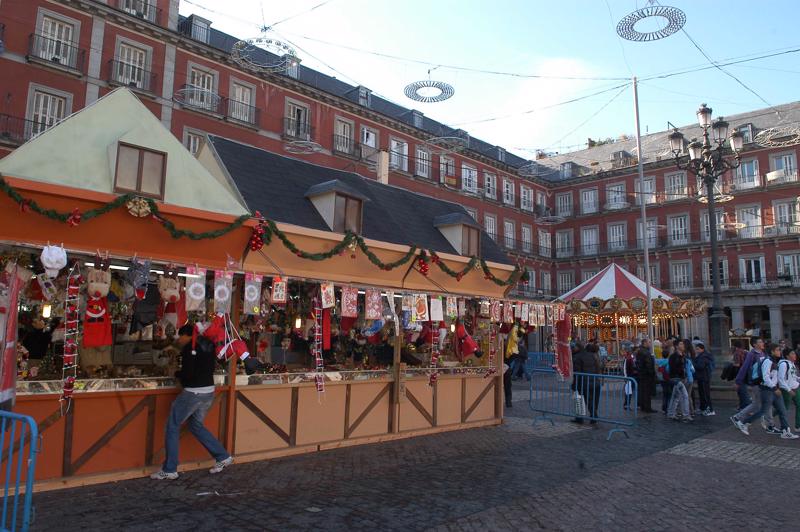
Activities planned for the Yuletide season include visiting Christmas markets, which 62% express an intention of doing, compared with 51% last year, and watching the Three Kings parade on the night of January 5, which 56% say they will do, compared with 45% at the beginning of 2022.
Meals out with co-workers and friends are in the plans of 44% of people interviewed, compared with 34% in 2021.
Christmas 2021 was almost 'back to normal' after the pandemic – that of 2020 was heavily restricted across Europe, and the first few months of 2021 saw temporary and local lockdowns – but Christmas 2022 will be the first in three years that will not be influenced by the risk of Covid contagion.
This year, 62% said they wanted to go to a Christmas market - like this one in Madrid's Plaza Mayor - compared with 51% in 2021 (photo: Madrid city council)
Even though the vaccine roll-out meant almost no restrictions at all last festive season, it is likely many members of the public were continuing to act with caution in light of the previous two years' ordeal.
The OCU says the greater expectations of going out, travelling and socialising over the 2022 holidays show that 'normality' has definitely returned, in society's perception as well as in reality.
In fact, even in light of the huge differences between Christmas 2020 and Christmas 2021, still only two-thirds of respondents a year ago planned to go out for meals or to parties in the company of people not part of their household.
This year, 83% expect to do so.
Offline shopping: A return to the high street
Another key difference to last Christmas is that a much higher number of respondents intend to do their festive shopping in physical retail premises, rather than online.
Although 11% say they will buy more online this year than last, another 17% said they will do less internet-based gift shopping for Christmas 2022.
Nearly three in 10 said they expected to do all, or most, of their present-buying in actual shops.
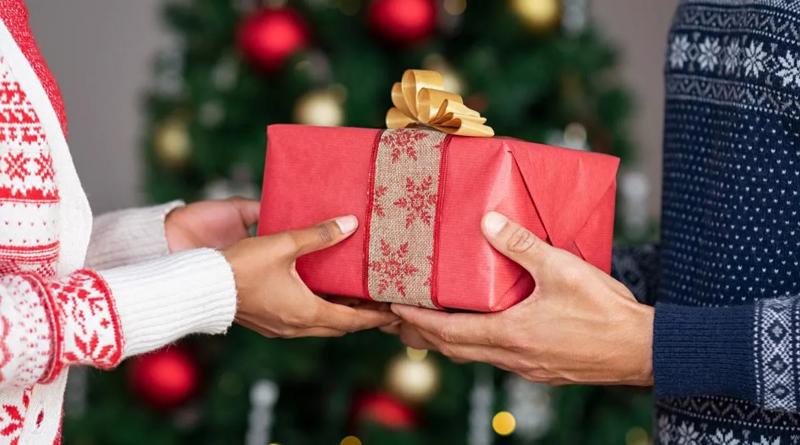
One in four respondents plan to give their festive gifts over the Three Kings, taking advantage of January sales discounts (photo: Getty Images)
The survey asked how likely it was that consumers would fail to stick to their budget, whether they would be 'guilty' of impulse buys, or general over-indulgence.
A quarter said they prefer to give their gifts for the Three Kings rather than Christmas Eve or Christmas Day, so they can buy them at discounted prices in the January sales.
Half the respondents said they will probably end up spending more than they had planned to.
Although present-buying can be one of the most fun and rewarding parts of the holiday experience – even more so than receiving gifts – over a third admitted it was not all pleasure.
Of those interviewed, 37% said Christmas shopping caused them considerable stress.