8 min read
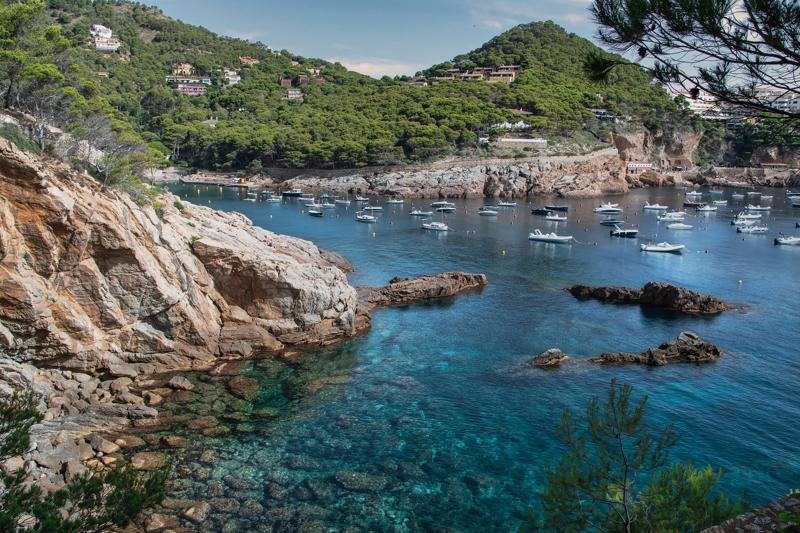
The Costa Brava, stretching from the French border down to Blanes, is arguably Spain’s most visually striking coastline. Defined by its rugged cliffs, hidden turquoise coves, and pine-fringed beaches, this stretch of the Mediterranean has long been a magnet for international buyers.
However, unlike the sprawling tourist resorts farther south along the Mediterranean coast, the real estate market here is anchored by characterful, historic towns. If you are an expat looking to buy property on the Costa Brava, the primary decision is choosing the right coastal village that matches your lifestyle, usage plans, and budget. Whether you are searching for premium luxury villas, historic stone farmhouses, or scanning the market for lock-and-leave apartments, navigating this highly segmented market requires local insight.
What are the best villages in Costa Brava?
The definition of the "best" village depends heavily on what you value most as a buyer: artistic heritage, exclusive privacy, nautical infrastructure, or vibrant year-round amenities. Several iconic locations consistently dominate the premium property market:
- Cadaqués: The bohemian luxury choice. Historically isolated by the Cap de Creus mountains, Cadaqués remains the jewel of the northern Costa Brava. Famous for its whitewashed houses and its association with Salvador Dalí, it offers an exclusive, almost island-like feel. The market is defined by premium historic fishermen's cottages in the town centre, luxury detached homes, and exclusive estates hidden in the surrounding hills. Due to strict building regulations preserving the town's aesthetic, supply is incredibly tight, driving prices to the highest in the region.
- Begur: The exclusive clifftop haven. Perched above the sea with a medieval castle at its centre, Begur and its surrounding upscale coves (such as Sa Riera, Sa Tuna, and Aiguablava) are highly sought after by affluent expats and domestic buyers from Barcelona. Begur is a prime location for ultra-modern luxury villas offering panoramic Mediterranean views, often built directly into the cliffside. It is also an excellent area to search for traditional stone townhouses within the village centre that have been gutted and modernised.
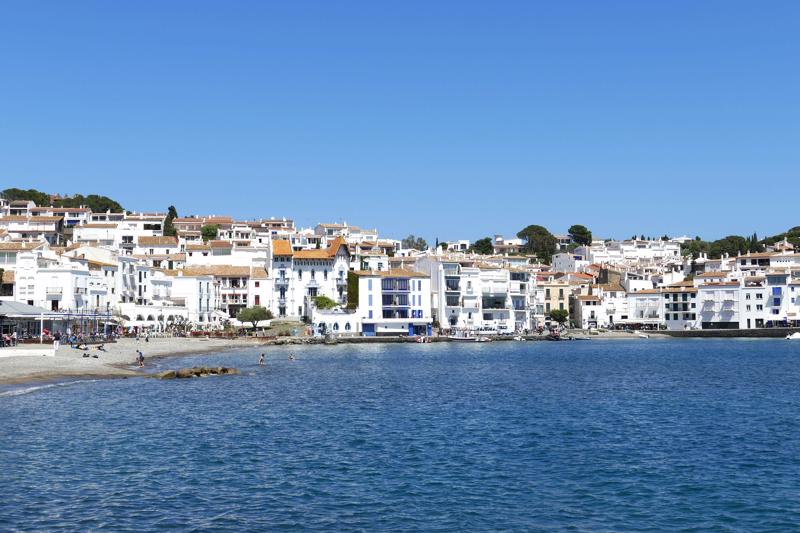
- Calella de Palafrugell & Llafranc: The prestigious twin coves. Just south of Begur, these neighbouring former fishing villages represent some of the most picturesque and high-demand real estate on the coast. They attract premium buyers seeking traditional charm, pristine beaches, and seafront promenades without the extreme isolation of Cadaqués. Properties here range from highly coveted frontline apartments to sprawling estates hidden in the pine forests immediately behind the coves.
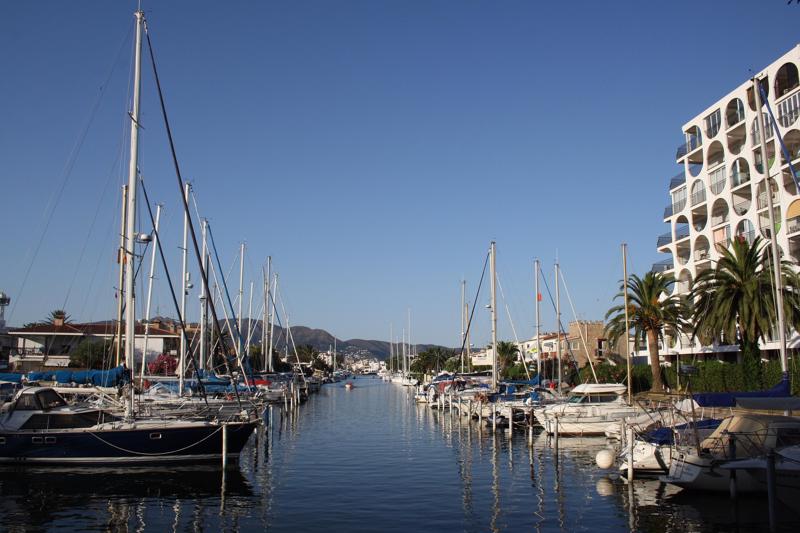
- Empuriabrava: The residential marina. Often referred to as the "Little Venice" of Spain, Empuriabrava is a purpose-built town situated near Roses. It features over 24 kilometres of navigable canals, making it a unique real estate market where buyers can purchase villas with private moorings directly at the bottom of their gardens. It hosts a massive, established expat community and is the ultimate destination for boating enthusiasts.
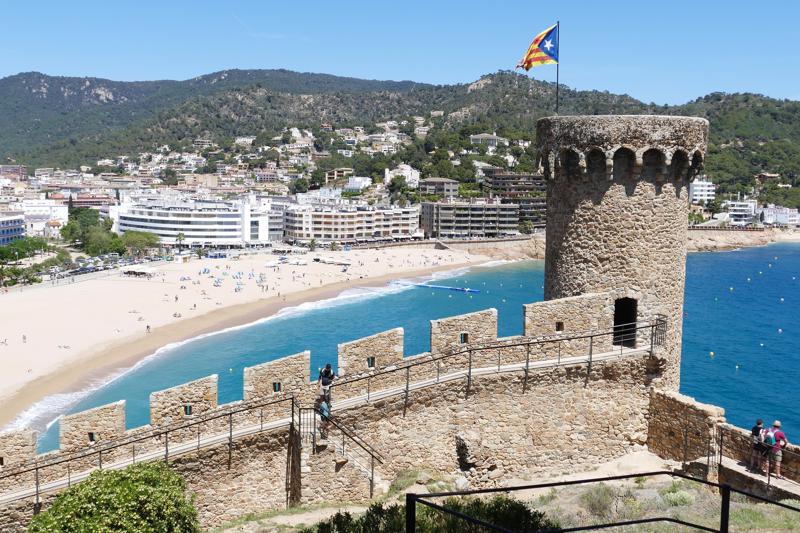
- Tossa de Mar: The medieval coastal gem. Famous for its impeccably preserved medieval walls plunging directly into the sea, Tossa de Mar offers a unique blend of history and excellent beaches. You will find a robust mix of traditional townhouses within walking distance of the historic centre. The surrounding hillsides offer modern villas overlooking the spectacular bay, providing a quieter retreat from the busy summer centre.
- Roses: The versatile bay. Situated on a wide, sweeping bay just south of Cap de Creus, Roses is larger, flatter, and more accessible than the rugged towns to its north. It boasts a major marina and kilometres of sandy beaches. Roses offers a highly liquid market for seafront apartments, terraced townhouses, and practical holiday homes.
Property types: What to expect on the Costa Brava
When browsing property for sale in this region, buyers will encounter distinct architectural styles that cater to different investment strategies:
- The catalan masia: Traditional rustic farmhouses made of thick stone, often featuring vaulted ceilings and extensive land. These are predominantly found a few kilometres inland and are highly prized for luxury renovations.
- The modern clifftop billa: Found heavily in areas like Begur and Aiguablava. These properties maximise the rugged terrain with infinity pools, floor-to-ceiling glass, and multiple terraces.
- The canal villa: Specific to Empuriabrava, these homes prioritise direct water access, integrating private docks and boating facilities directly into the residential layout.
- The coastal apartment: Dominating towns like Roses, Lloret, and Platja d'Aro, these range from older blocks requiring modernisation to newly built luxury complexes with shared amenities, ideal for generating summer rental yields.
Where is the best place to live in Costa Brava?
If you are asking where to buy property in Costa Brava for permanent or year-round living, your criteria must shift from holiday charm to practical infrastructure.
The best place to buy in Costa Brava for those seeking year-round community, international schools, and winter amenities tends to be the central and southern stretches.
- Platja d'Aro (Castell-Platja d'Aro): This is arguably the most dynamic, 365-day town on the Costa Brava. Unlike quieter villages, it sustains a bustling commercial hub, luxury shopping, and excellent dining throughout the winter. Its real estate market is robust, particularly in the ultra-exclusive S'Agaró enclave, which is renowned for high-end contemporary villas and pristine gated communities. Platja d'Aro is a major draw for expats seeking action, amenities, and strong long-term rental yields.
- Palamós and Sant Feliu de Guíxols: These are thriving, working towns that do not shut down in November. They offer excellent healthcare facilities, active expat communities, and a steady supply of high-quality houses for sale equipped with reliable central heating—a necessity for winter living.
Conversely, while Cadaqués and Begur are magical in the summer, their populations shrink dramatically in the off-season, making them better suited for second-home buyers than for permanent residents.
Which areas in Costa Brava have the most affordable property prices?
Not all of the region demands premium luxury budgets. If you are specifically looking for cheap property in Costa Brava, you need to target larger municipalities or look a few kilometres inland.
- Blanes and Lloret de Mar: Located at the southern tip of the Costa Brava, these towns are larger and more heavily developed. While they have luxury pockets, the sheer volume of properties makes them excellent targets for finding affordable apartments and entry-level investments.
- L'Escala and Torroella de Montgrí: Moving further up the coast, L'Escala offers fantastic value compared to its northern neighbours like Roses or Cadaqués. It is a highly practical place to find sensibly priced family homes.
- Moving Inland: The golden rule for finding affordable real estate here is to sacrifice immediate walking distance to the beach. Traditional inland villages just 10 to 15 minutes from the coast offer dramatically lower prices for spacious homes with larger plots.
Property price guide Costa Brava 2026
To help set your budget, here is a general breakdown of average property prices across the region's key markets.
| Coastal Town / Area | Market Profile | Estimated Average Price (per m²) |
|---|---|---|
| Cadaqués | Ultra-premium, low supply | €5,000 – €7,500+ |
| Begur & Coves | Luxury villas, premium buyers | €4,500 – €6,500 |
| Platja d'Aro / S'Agaró | 365-day amenities, luxury enclaves | €4,000 – €6,000 |
| Empuriabrava | Canal properties, private moorings | €3,200 – €4,800 |
| Tossa de Mar | Mid-to-high, historic charm | €3,000 – €4,500 |
| Roses | High liquidity, mixed property types | €2,500 – €3,800 |
| L'Escala / Palamós | Year-round living, family homes | €2,200 – €3,200 |
| Blanes / Lloret de Mar | High volume, varied budgets | €1,800 – €2,800 |
Essential buying costs in Catalonia
When budgeting for a seafront/beachfront property in Costa Brava, it is vital to account for regional purchase costs. Real estate in this area falls under the jurisdiction of the autonomous community of Catalonia, which levies higher property taxes than some other Spanish regions.
- Resale properties: Buyers must pay the Property Transfer Tax (ITP), which is a flat 10% in Catalonia for resale homes, rising to 11% for amounts over €850,000.
- New build properties: New homes are subject to 10% VAT (IVA), plus a 1.5% Stamp Duty (AJD).
- Legal and notary fees: Always budget an additional 2% to 3% to cover the Notary, the Land Registry, and your independent legal representation.
Securing your coastal property
Whether you are hunting for a spectacular modern villa overlooking the Mediterranean, a canal-front property in Empuriabrava, or a cosy pied-à-terre in a medieval plaza, the Costa Brava market is highly competitive. Coastal supply is naturally limited by the region's strict protection of its natural parks, meaning well-priced homes move quickly.
To ensure you find the right match for your family or investment portfolio, explore thousands of verified listings by area, price, and proximity to the sea.

Last updated: 22/07/2026
Was this article useful?
Related Topics
Related Articles