
9 min read
Spain is renowned worldwide for its vibrant street life, outdoor culture, and spirited social atmosphere. From late-night terrace dining to lively seasonal fiestas, the sound of people enjoying life is woven into the country’s fabric.
However, when ambient energy turns into intrusive domestic disturbance, living in Spain can present an unexpected challenge. With over 65% of the Spanish population residing in apartments—one of the highest proportions in Europe—sound transmission through shared walls and floors is a frequent source of friction.
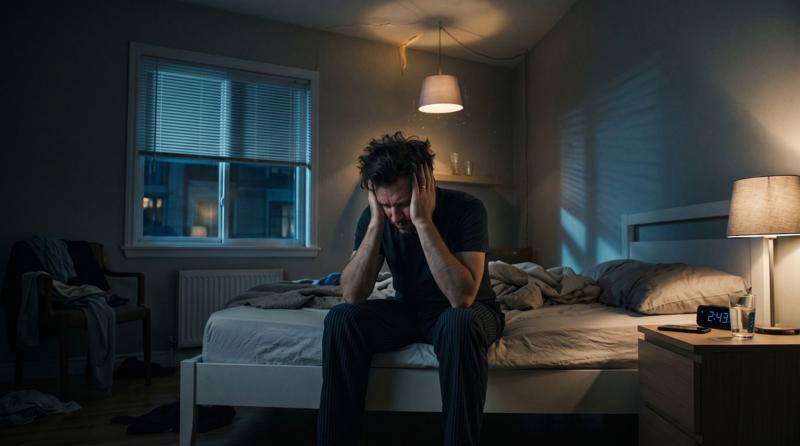
For international buyers and long-term residents, dealing with persistent loud music, barking dogs, late-night DIY, or moving furniture can feel exhausting. Understanding the cultural expectations, municipal decibel limits, and your statutory rights under Spanish law is the key to protecting your peace of mind.
Here’s what you’ll learn
- Cultural norms versus legal noise nuisance in Spanish residential communities
- What Spanish national, regional, and municipal laws say about acceptable noise levels
- Why the common myth of "waiting until 11:00 PM" is legally inaccurate
- A practical five-step action plan to resolve neighbour disputes effectively
- The legal power of the comunidad de propietarios (community of owners) under Article 7.2 of the Ley de Propiedad Horizontal
- Answers to common questions regarding local police measurements and court orders
How noisy is everyday life in Spain?
Daily life in Spain tends to operate at a higher baseline volume than in Northern Europe or North America, but this does not mean residents are powerless against genuine nuisance.
Architecture and cultural habits
Most Spanish homes are built with hard surfaces—terrazzo tiles, marble floors, and bare plastered walls—to help keep rooms cool during the hot summer months. While practical for climate control, these materials reflect sound rather than absorb it. In older residential buildings built before modern acoustic insulation regulations (Código Técnico de la Edificación), footsteps, plumbing noise, and conversation travel easily between flats.
Additionally, Spanish daily routines run later. Dinner rarely starts before 21:00 or 22:00, and children often remain outside in pedestrian plazas well into the evening during summer. Distinguishing between normal community sounds and unlawful noise nuisance is the first hurdle for many newcomers.
When does noise become a legal nuisance?
Spanish jurisprudence categorises noise as a statutory nuisance when it exceeds legally established decibel thresholds or repeatedly interferes with the basic constitutional rights to health, personal privacy, and the peaceful enjoyment of the home (inviolabilidad del domicilio). You are not required to tolerate persistent, unreasonable disruption simply because you live in Spain.
What does Spanish law say about noise nuisance?
Noise regulation in Spain operates across three distinct legislative tiers: national, municipal, and community.
1. The National Noise Act (Ley 37/2003 del Ruido)
At the national level, the Ley del Ruido defines baseline acoustic objectives, zoning standards, and health protections. It identifies continuous exposure to excessive decibel levels as an environmental and public health hazard.
2. Municipal by-laws (Ordenanzas Municipales)
While national law establishes the framework, specific enforcement powers sit directly with your local ayuntamiento (town hall). Each municipality sets its own environmental noise by-law (Ordenanza de Protección del Medio Ambiente contra la Emisión de Ruidos y Vibraciones).
These local regulations establish:
- Time brackets: Defining daytime hours (typically 08:00 to 22:00 or 23:00) and night-time rest hours.
- Indoor decibel limits: In most municipalities, maximum permitted sound levels inside a habitable room (such as a bedroom or living room) range from 30 to 35 decibels (dB) during the day and 25 to 30 dB at night.
- Restricted activities: Specific rules governing domestic renovation work, musical instruments, and domestic appliances during weekends and rest hours.
The 11:00 PM myth: why you do not have to wait
A widespread belief among locals and expats is that residents can make as much noise as they want until 23:00. This is untrue.
While decibel thresholds become noticeably stricter during night-time rest hours, daytime noise that exceeds municipal limits—such as continuous loud music, running machinery, or unconstrained barking—is just as illegal at 15:00 as it is at midnight. If your neighbour’s noise disrupts normal domestic life, you don't need to wait until late at night to act.
What the Horizontal Property Act says about neighbour disputes
For anyone owning or renting a property within an urbanisation or apartment complex, the most powerful legal instrument is the Ley de Propiedad Horizontal (LPH—Horizontal Property Act).
Article 7.2 of the LPH: cessation of nuisance activities
Article 7.2 of the LPH explicitly forbids owners and tenants from carrying out activities that are annoying, unhealthy, harmful, dangerous, or illicit (actividades molestas, insalubres, nocivas, peligrosas o ilícitas).
Under this statute, the comunidad de propietarios (community of owners) has the statutory authority to intervene directly:
- The formal warning: The president of the community, acting on behalf of affected owners, can issue a formal written notice demanding the immediate cessation of the disturbance.
- The court action (acción de cesación): If the offender ignores the formal warning, the community can convene an extraordinary general meeting (junta extraordinaria) to authorise legal action through the civil courts.
- Statutory penalties: If the court rules in favour of the community, judges can order:
- Permanent cessation of the noise nuisance under penalty of criminal contempt.
- Financial compensation for psychological or physical damages.
- Deprivation of the right to use the property for up to three years (if the offender is an owner).
- Immediate termination of the lease contract and eviction (if the offender is a tenant).
What steps should you follow if you have a noisy neighbour?
Resolving noise conflicts in Spain requires a measured, chronological approach. Rushing into confrontation or legal action often escalates tension unnecessarily, while documenting each step ensures your case is watertight if you need legal enforcement.
Step 1: Informal dialogue
Begin with a polite, direct conversation. In many cases, neighbours genuinely do not realise how sound carries through tiled flooring or hollow ventilation shafts. Explain the issue calmly, suggest practical solutions (such as using rugs, moving speakers away from adjoining walls, or wearing soft-soled slippers indoors), and give them an opportunity to adjust.
Step 2: Notify the community president and administrator
If friendly communication yields no change, escalate the matter internally within your building:
- Contact the presidente de la comunidad (community president) or the professional administrador de fincas (property administrator).
- Provide details of the disturbance (dates, times, and nature of the noise).
- Request that the president send an official communication to the offending resident referencing community rules and Article 7.2 of the LPH.

Step 3: Issue a formal legal notice via burofax
When informal notices are ignored, send a formal pre-litigation demand via burofax. A burofax is a certified postal delivery service operated by the Spanish postal service (Correos) that legally certifies both the delivery and the exact written contents of the document. It serves as indisputable evidence in court that the offender was formally notified of the nuisance and failed to comply.
Step 4: Call the local police for acoustic measurements
To establish that a legal decibel violation is occurring, you need certified evidence:
- Call the Policía Local (local municipal police) while the disturbance is actively happening.
- Request an acoustic inspection (medición acústica). Officers will visit your home with a calibrated sonometer (sonómetro) to record sound levels inside your living areas with windows closed.
- Obtain a copy of the official police report (atestado policial). This document provides concrete administrative proof for town hall sanctions or civil court proceedings.
Step 5: Pursue formal legal action
If all out-of-court avenues fail, you have two clear legal pathways:
- Administrative complaint (denuncia administrativa): File a complaint at your local town hall (ayuntamiento) using your police reports. The municipality can issue escalating fines ranging from hundreds to thousands of euros depending on severity.
- Civil lawsuit (demanda civil): Instruct an independent Spanish lawyer (abogado) to launch a civil action for damages, either individually or jointly through the community of owners under Article 7.2 of the LPH.
Frequently asked questions
Can you report a neighbour for dog barking in Spain?
Yes. Constant, persistent dog barking is considered a domestic noise nuisance under municipal by-laws. If the barking continues for extended periods during rest hours or is excessive during the day, the Policía Local can inspect the property, test decibel levels, and assess animal welfare conditions. Owners can face municipal fines if they fail to manage their pets.
Can tenants be evicted in Spain for making excessive noise?
Yes. Under both the Ley de Arrendamientos Urbanos (LAU—Urban Tenancies Act) and Article 7.2 of the Ley de Propiedad Horizontal, persistent annoying or illicit activities provide legal grounds for landlords or courts to terminate the rental contract and carry out an eviction.
How much do court proceedings for noise nuisance cost in Spain?
Legal fees vary depending on the complexity of the case. A standard civil lawsuit under Article 7.2 typically requires an independent lawyer (abogado), a court representative (procurador), and often an independent acoustic engineer (perito acústico). In many community-led cases, all homeowners in the comunidad de propietarios share the legal costs, significantly reducing the financial burden on individual victims.
What should you do if the noise comes from a holiday rental?
If the disturbance is caused by tourists in a short-term holiday apartment (vivienda de uso turístico or VUT), inform the community administrator immediately. Under reforms to the Ley de Propiedad Horizontal, communities can prohibit tourist rentals by a three-fifths majority vote. You can also report the property to the regional tourism board; operators who fail to prevent antisocial guest behaviour risk having their tourist licences revoked.
Protecting your peace of mind in Spain
Dealing with a noisy neighbour can be one of the most frustrating experiences of living abroad, but Spanish law provides clear, structured avenues to restore your domestic peace. By staying patient, avoiding heated verbal confrontations, and methodically documenting each occurrence, you can resolve disputes through established legal channels.
Whether you are considering relocating or seeking advice on managing community property, having the right local guidance makes all the difference. Explore our complete library of guides to living and buying property in Spain.

Last updated: 19/10/2026
Was this article useful?
Related Topics
Related Articles