3 min read
Home sales in Spain are expected to fall and price growth to slow in 2027, but the market will not stall, according to CaixaBank Research. In its latest real estate report, published on November 19, 2026, it describes a "soft adjustment" after two years of strong growth.
What does CaixaBank Research forecast for 2027?
The report expects fewer sales and slower price growth in 2027, while the number of new homes approved for construction keeps rising:
| Indicator | 2026 | 2027 |
|---|---|---|
| Home sales | 685,000 (-3.7%) | 655,000 (-4.4%) |
| House price growth | Over 12% | 7.2% |
| New-build permits | 150,000 | 165,000 |
Even with these falls, sales are expected to remain high by historical standards. The forecast for 2026 is also consistent with the latest official data: from January to September, home sales were 3.6% lower than a year earlier, according to the National Statistics Institute (INE).
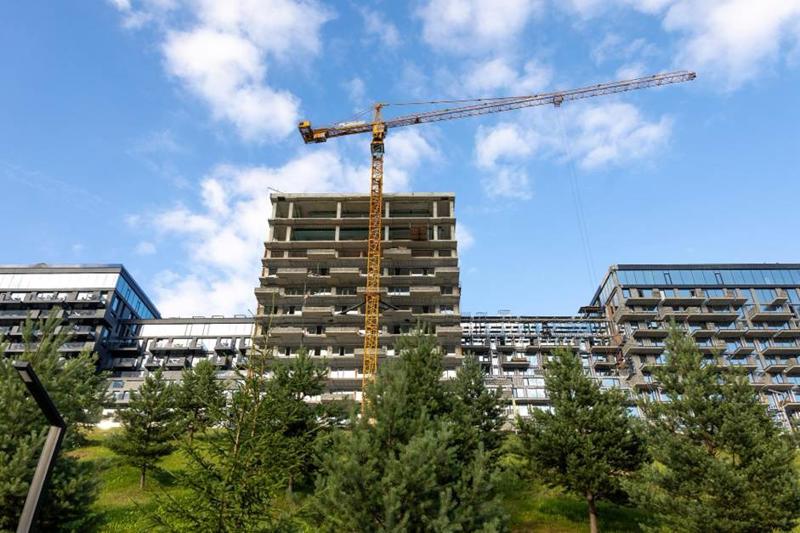
Price growth would roughly halve in 2027, but a rise of 7.2% would still mean prices increasing faster than household incomes. The report also expects building to pick up, with permits for new homes rising by around 10%. That is a step forward, but still well short of the number of new households being formed each year.
Why will house prices in Spain keep rising?
The report points to the labour market and population growth, much of it from people moving to Spain from abroad, as the main drivers of demand. Supply is not keeping up: it estimates a shortfall of more than 800,000 homes between 2021 and the second quarter of 2026. More homes are being built, but not enough to close that gap.
At the same time, homes are becoming less affordable, as prices rise faster than household incomes, and financing conditions are less favourable than before. Rents are also under pressure, especially in large cities and tourist areas, which is worth considering when you weigh buying versus renting a property in Spain
How are international buyers in Spain changing?
The report also looks at non-resident foreign buyers, those who buy in Spain without living here, often as a second home. British buyers account for a smaller share, while Dutch and Polish buyers are gaining ground.
Where these buyers look is changing too. Demand is spreading beyond the traditional coastal areas towards the north of Spain and inland regions, which opens up a wider range of locations and price points. In a European context, the report places Spain, together with Portugal, among the most expansive housing markets, while Germany and France are more contained.
Nationality has long been a key factor in the market, as explored in how nationality trends shape the Spanish property market.
What does the forecast mean for buyers?
For buyers, the forecast points to a market that is cooling rather than turning: fewer sales, but prices still rising, though more slowly than in recent years. Conditions also vary widely from one area to another, so local trends matter more than the national averages, as the average property prices by region in Spain show.

Last updated: 27/11/2026
Was this article useful?
Related Topics
Related Articles