- Where is Almería and what makes it different?
- Is Almería a good place to live?
- Climate: one of the sunniest in Europe
- Property and housing
- Renting in Almería
- Cost of living in Almería
- Healthcare and education
- Transport and connectivity
- Daily life and integration
- Almería’s desert landscape and film heritage
- Why Almería feels different from other coastal provinces
- Is Almería right for you?
9 min read
Almería is not Spain’s loudest province — and that is exactly the point.
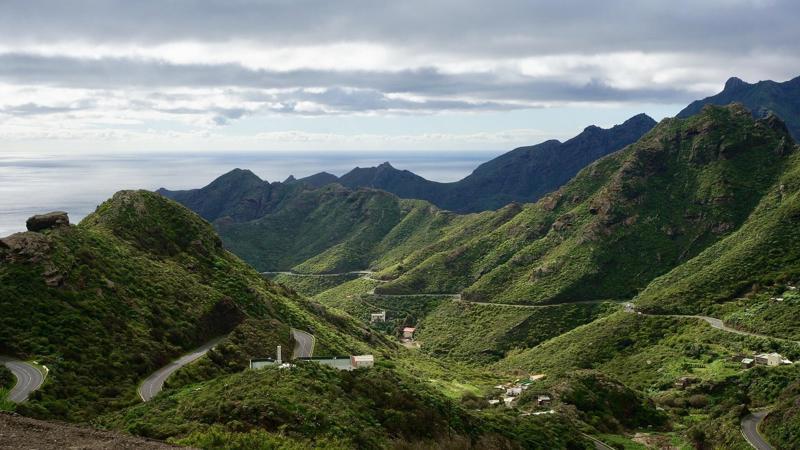
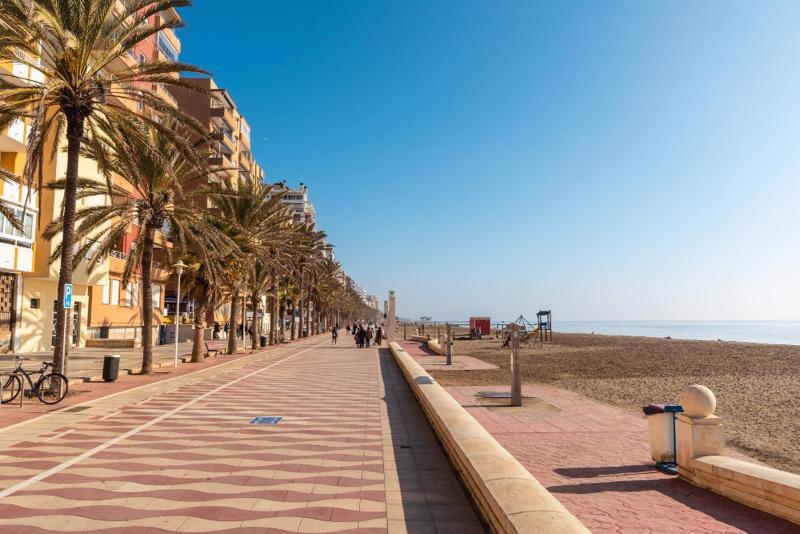
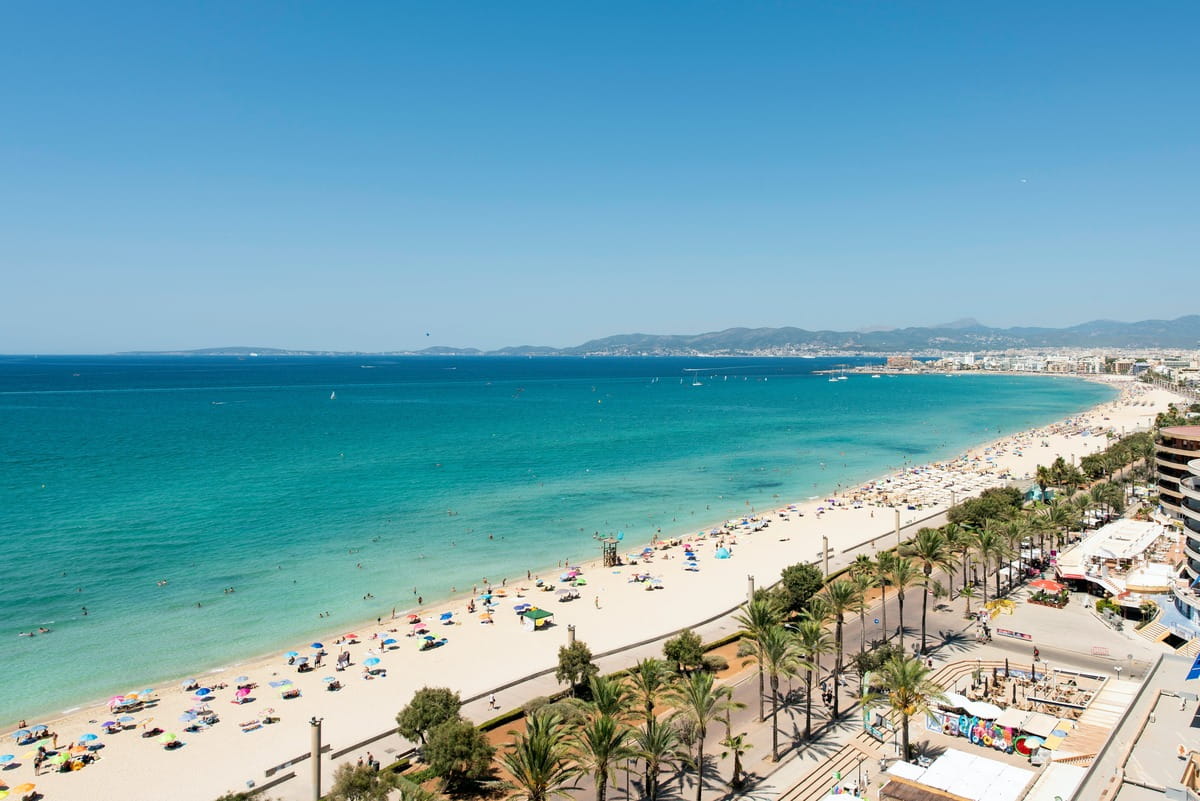
Located in the far east of Andalucía, it combines long Mediterranean beaches, desert landscapes, working Spanish cities and wide rural valleys. It is sunnier, drier and less densely developed than many better-known coastal regions. Tourism exists, but it does not define daily life.
People rarely move to Almería by accident. They choose it deliberately — for climate, space and long-term livability rather than seasonal buzz. If you are still weighing up regions, our guides on moving to Spain explain how provinces differ in climate, infrastructure and lifestyle expectations.
If you are considering relocating from anywhere in the world, this guide explains what life in Almería is really like: how it feels, how it functions, and who it suits best.
Where is Almería and what makes it different?
Almería sits between Granada and Murcia on Spain’s south-eastern Mediterranean coast. It is one of Andalucía’s eight provinces, with a population of just over 700,000.
What sets it apart is contrast:
- The protected volcanic coastline of Cabo de Gata
- Europe’s only true desert, Tabernas
- Productive agricultural plains around El Ejido
- A compact, walkable capital city
- Mountain villages on the edge of the Alpujarra
Large stretches of coastline remain low-density or environmentally protected. Compared with the Costa del Sol or parts of the Costa Blanca, development is lighter and the pace slower.
Almería feels functional and lived in rather than curated for tourism.
Is Almería a good place to live?
For the right person, absolutely.
Almería suits people who prioritise:
- Sunshine and dry air
- Lower property prices
- Space and natural landscapes
- Stability over seasonality
- A predominantly Spanish-speaking environment
It tends to attract retirees, remote workers, independent professionals and buyers planning to live year-round. If you are relocating permanently rather than buying a holiday home, it is worth reviewing the practical steps involved in becoming a resident in Spain, including healthcare access and registration requirements.
It may feel challenging if you rely on:
- A wide local job market
- Extensive public transport
- Large English-speaking networks
- Constant nightlife or large-scale entertainment
Spanish is the language of daily life. Integration usually requires initiative rather than ready-made expat structures. For many, that is part of the appeal.
Climate: one of the sunniest in Europe
Almería has one of the driest climates in mainland Europe.
- Around 3,000 hours of sunshine per year
- Very low annual rainfall
- Mild winters, often warm enough for outdoor living
- Hot, dry summers — particularly inland
Humidity is generally lower than in many other Mediterranean areas, which many residents find more comfortable over time.
The climate shapes everything: architecture, daily routines, outdoor culture and even the rhythm of the towns. Winter rarely disrupts life, and seasonal closures are less pronounced than in heavily tourist-driven regions.
Property and housing
Almería remains comparatively affordable by Mediterranean standards, particularly outside prime beachfront developments. Based on current listings on ThinkSpain, the average asking price per square metre in Almería province is around €1,834, although prices vary significantly between coastal hotspots and inland towns. Buyers comparing prices can explore current properties for sale in Almería to see how coastal and rural values differ.
The market tends to be steady rather than highly speculative, which supports long-term living rather than short-term flipping. Demand is driven largely by lifestyle buyers and year-round residents rather than rapid investor turnover. Understanding the full purchase process — including taxes, legal checks and ongoing ownership costs — is essential, and our guides to buying property in Spain explain the process in detail.
Almería (capital city)
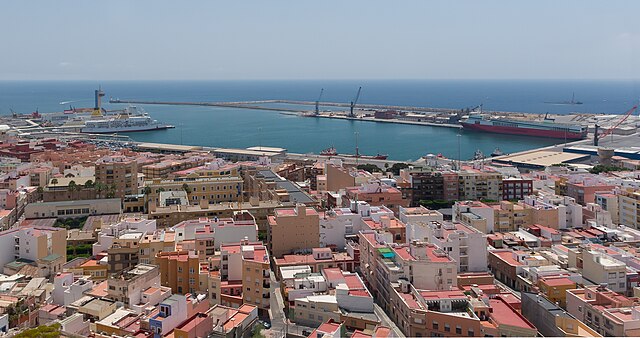
A practical, working city with urban beaches, a historic centre and key services. Apartments dominate the market. It suits people who want walkability, hospitals, schools and year-round activity without the scale of larger Spanish cities. Those considering city living can compare properties for sale in Almería city to assess availability near the centre and seafront.
Roquetas de Mar and Aguadulce
Established residential coastal areas west of the capital. Popular with families and long-term residents. Modern housing, schools and shopping centres provide convenience without heavy tourism outside summer. You can browse homes for sale in Roquetas de Mar to see the type of developments available close to schools and services.
Mojácar and Vera
Coastal locations with visible international communities. Mojácar combines a historic hilltop village with a beach resort; Vera offers long beaches and residential developments. Seasonal variation exists, but many residents live there year-round. Many buyers compare property in Mojácar with nearby homes in Vera before deciding which environment suits them best.
Almanzora Valley (inland)
Quieter and more rural. Larger properties, more land and lower prices. Life is car-dependent and closely tied to local Spanish communities. Inland listings across the province give a clearer idea of price per square metre compared with coastal zones.

Níjar and Cabo de Gata
Strict planning protections limit development. Living here means prioritising landscape and tranquillity over convenience. Those considering the area can explore our Find Your Place guide to Níjar for more detailed information on lifestyle and property trends.
Renting in Almería
Not everyone moving to Almería buys immediately. Many newcomers choose to rent first, either to explore different areas or while completing residency and administrative formalities.
In recent years, long-term rental supply has tightened in some coastal areas, particularly for well-located properties, so early enquiries are advisable during peak relocation periods.
Long-term rental availability varies by location. In Almería city and Roquetas de Mar, apartments are usually available year-round. In coastal towns such as Mojácar and Vera, availability can fluctuate more noticeably between summer and winter, particularly near the beachfront.
Rental prices are generally lower than in Málaga province and competitive compared to many parts of Alicante. Inland areas tend to offer more space for the budget, although transport becomes more important.
Before signing a contract, it is advisable to understand how Spanish rental agreements work, including deposit requirements, contract length and tenant rights. Our guide to renting property in Spain explains the legal structure and what to expect as a tenant.
For many people relocating from abroad, renting for six to twelve months provides clarity before committing to a purchase.
Cost of living in Almería
Almería’s cost structure generally supports long-term residency.
Various national cost-of-living comparisons consistently place Almería below Spain’s largest metropolitan areas in terms of housing and everyday expenses, particularly when compared with Madrid, Barcelona and other major coastal cities.
Housing costs — whether renting or buying — are typically lower than in Málaga province and in many parts of Alicante. Everyday expenses such as groceries, local services and dining out are also moderate by Spanish coastal standards. For buyers, it is important to factor in purchase taxes and ongoing ownership costs, which are explained in our Spanish property taxes guide, particularly for non-residents.
Outside Almería city and larger towns, private transport is usually essential and should be included in monthly budgeting. Fuel, insurance and vehicle maintenance can represent a meaningful part of household expenses in more rural areas.
Overall, Almería offers a balanced cost profile: lower housing pressure than more internationally marketed regions, without sacrificing access to essential services.
Healthcare and education
Healthcare services are centred around Hospital Universitario Torrecárdenas in the capital, which provides comprehensive public care. Smaller hospitals and health centres operate throughout the province. Access depends on residency and registration status, and our healthcare in Spain guide explains how the public system works for new arrivals.
Private healthcare is available, though more limited than in larger expat hubs. Many residents rely on Spain’s public system and supplement with private insurance if desired.
Education reflects the province’s local character. Most families use the Spanish public system. Semi-private (concertado) schools are available mainly in and around Almería city and Roquetas de Mar.
While fully international schools are more limited than in Málaga or Alicante, families can find bilingual and private institutions offering Spanish-English programmes. Examples include Colegio Internacional SEK Alborán in El Ejido and several bilingual concertado schools in Almería city and Roquetas de Mar. However, options offering full British or other foreign curricula are more restricted, which may influence where families choose to settle.
Transport and connectivity
Almería Airport offers domestic routes to major Spanish cities such as Madrid and Barcelona, along with selected international connections, primarily to the United Kingdom and parts of northern Europe. Many international services operate seasonally, particularly during the summer months. For a wider range of year-round European flights, some residents use Murcia or Málaga airports, both accessible by road.
Road transport is central to daily life in the province. The A-7 motorway connects Almería with Granada, Murcia and Málaga, making regional travel straightforward by car. Drive times to Granada are around 90 minutes, while Málaga is approximately two and a half hours away.
Long-distance bus services link Almería city with other Andalusian and Spanish destinations. Rail connections exist but are more limited compared to larger provinces, and ongoing infrastructure projects aim to improve high-speed connections in the future.
Within the province, public transport is more developed in Almería city and larger coastal towns. However, outside urban areas, private transport is generally essential.
Internet connectivity is strong in cities and established towns, with fibre-optic broadband widely available. In rural inland areas, coverage can vary, so confirming connection speeds before purchasing property is advisable.
Daily life and integration
Almería’s economy centres on agriculture, public services and local commerce. It is not a major corporate employment hub, which shapes the resident profile.
Much of the province’s economy is driven by intensive agriculture, particularly greenhouse farming around El Ejido, which plays a central role in year-round employment and local economic stability.
Life is calm and locally oriented. Social networks often revolve around neighbourhoods, sports clubs, schools and community events. International communities exist in certain areas, but they are smaller and less structured than in some other Spanish regions.
Integration improves significantly with Spanish language skills and participation in everyday local life. People who approach the move with realism and openness tend to adapt well.
Beyond daily routines, the province’s landscape has also shaped its cultural identity in ways that are unusual within Europe.
Almería’s desert landscape and film heritage
Few European provinces combine Mediterranean beaches with a true desert landscape. The Tabernas Desert, located north of Almería city, is the only desert in mainland Europe and has shaped the province’s identity in unexpected ways.
From the 1960s onwards, the area became a major filming location for international cinema. Classic “Spaghetti Westerns” were shot here, and parts of major productions such as Lawrence of Arabia and Indiana Jones and the Last Crusade were filmed in the province.
Today, visitors can explore preserved film sets at Oasys MiniHollywood, while the surrounding desert landscape remains strikingly untouched.
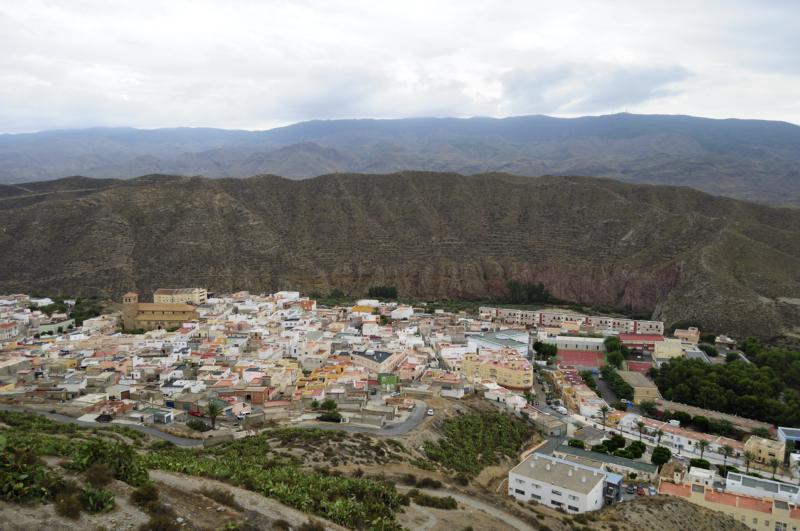
For residents, this landscape is not just a tourist attraction. It creates open horizons, dramatic sunsets and a sense of space that is increasingly rare in coastal Europe. It also explains why Almería feels visually different from other Mediterranean provinces.
Why Almería feels different from other coastal provinces
Large parts of the province remain lightly built or environmentally protected, preserving open skies and a strong sense of space. The climate’s consistency reduces seasonal disruption, so towns function year-round rather than expanding and contracting dramatically between summer and winter.
Almería attracts people choosing how they want to live — not just where they want to holiday.
Is Almería right for you?
Almería suits those who value:
- Climate and outdoor living
- Lower density and open landscapes
- Long-term affordability
- A predominantly Spanish environment
It may not suit those seeking extensive infrastructure, constant activity or large international networks.
If you are considering relocating, spending time in different towns — particularly outside peak summer — will give the clearest picture of daily life.
For the right profile, Almería offers one of Spain’s most distinctive and sustainable year-round lifestyles on the Mediterranean coast.

Last updated: 27/02/2026
Was this article useful?
Related Topics
Related Articles