3 min read
Spanish property prices rose 15.2% in the year to the second quarter of 2026 — the sharpest annual increase since 2006, the final stretch of the pre-crisis boom, according to valuation firm Tinsa. Prices are now within touching distance of their all-time nominal high.

The scale of the acceleration is the real story. Growth has intensified every single quarter since late 2024, and this quarter alone prices rose 3.7% — a pace that, sustained, would push annual growth even higher by the autumn. Behind it sits a familiar imbalance: strong population growth running into a persistent shortage of new housing. Tinsa's research director, Cristina Arias, notes that demand remains robust even as affordability worsens for a growing share of households, and that new-build completions, while picking up, still fall well short of what current population growth requires.
Households are now stretched further than before
The average Spanish household would now need to spend 35.7% of disposable income to cover the first year of a mortgage on an average home — up from 34.0% last quarter, and above the 35% threshold generally considered sustainable. The number of provinces exceeding that threshold jumped from 8 to 14 in a single quarter. In the Balearic Islands, the figure has reached 57%. In Madrid and Barcelona, homebuyers are theoretically committing 64% and 62% of disposable income respectively — levels that would have seemed alarmist a few years ago and are now simply where the market sits.
Madrid and Barcelona are slowing. Everywhere around them is not.
Madrid and Barcelona, Spain's two largest markets, both decelerated this quarter: Madrid to 15.5% annual growth, down from 18.1%; Barcelona to 8.9%, down from 12.0%. Neither is cooling in any absolute sense — both remain at record prices — but the fastest growth in the country is no longer happening in the cities themselves.
It is happening around them. Torrejón de Ardoz, on Madrid's outskirts, rose 32.6% year on year. Viladecans, outside Barcelona, rose 26.7%. Sagunto, near Valencia, rose 23.1%. Buyers priced out of the capitals are pushing into commuter towns instead, and prices there are moving faster than almost anywhere else in Spain.
Coastal regions are moving even faster than the capitals
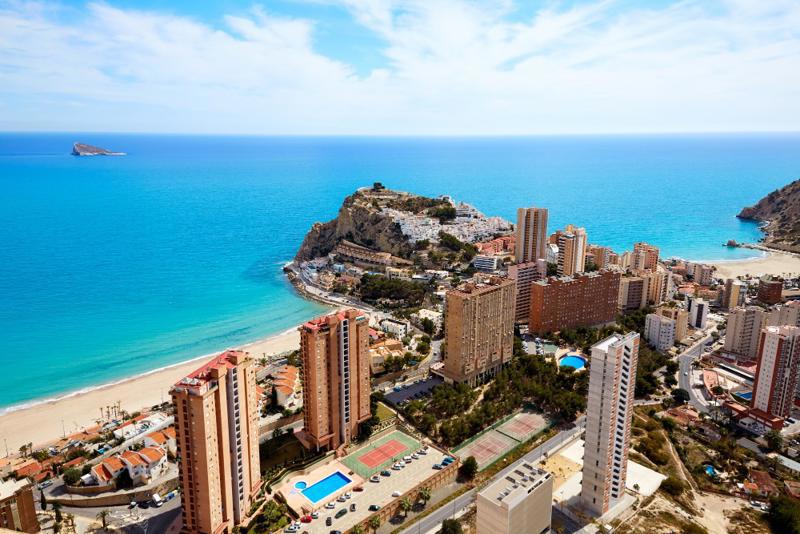
The Comunidad Valenciana rose 20.7% — the fastest of any autonomous community in Spain — with Alicante province matching that figure exactly. Murcia rose 18.1%, also comfortably above the national rate. Together with the Canary Islands, these are now among the fastest-moving property markets in the country, ahead of Madrid and well ahead of Barcelona.
The picture that emerges is not one of a market cooling from the centre outward, but one where growth has stopped being concentrated in the largest cities at all. Whether that continues through the second half of the year will depend on how much further affordability can stretch before demand itself begins to give way.

Last updated: 21/07/2026
Was this article useful?
Related Topics
Related Articles