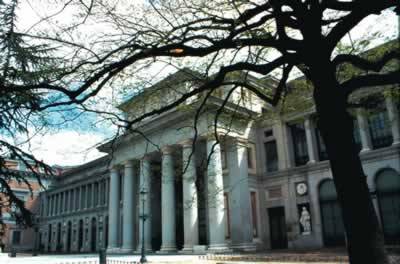
Christmas is the best time to see Spain’s capital city at its sparkling, classy best. The stylish Madrileños parade in their finest (which is very fine indeed) to tour the shop window displays with the latest fashions and Christmas lights... and if you’re lucky, the festive ambience will be highlighted by snow on the ground and a bright sun in the sky. Yet Madrid is also the capital of culture and to make your visit even more complete, we suggest you visit the city’s magic triangle of museums.
Since Madrid entered the history books during the reign of Muhammad I, Emir of Córdoba (850-886), it has blazed an impressive trail. Each period of its history has left an indelible mark with architectural creations in a multitude of styles that have stood proud and steadfast with the passing of time. But the city’s heyday came under the Bourbon dynasty, specifically with the reforms carried out by King Carlos III, fittingly referred to as ‘Madrid’s best mayor’. The jewel in the Bourbon crown was the ‘golden triangle of art’, so-called because on a map of the city, the Prado, the Reina Sofía Museum and the Thyssen Museum are the three vertices of a triangular area of unsurpassable cultural heritage. The three museums are only 10 minutes’ distance from each other – visit them all and let master painters including Velázquez, Goya, Miró and Picasso guide you through the splendid history of art on show:
El Prado
El Prado as it is known today took a long time coming to fruition. The neo-classical building was constructed during the reign of Carlos III, under the direction of architect Juan deVillanueva, and was supposed to house a natural science museum. The then royal painter Antón Rafael Mengs suggested that the building be used as an art museum instead, but neither project really got off the ground. However, thanks to the subsequent initiative in Paris to house all its royal art collections in a new museum, the Louvre, the idea of an art museum for Madrid finally began to take shape. María Isabel de Braganza, the second wife of Fernando VII, showed a personal interest in the project and was the driving force behind it - El Prado has always considered her as its founder, although she died before the museum was officially opened in 1819. It was known at the time as the Royal Museum of Painting and Sculpture and housed more than 300 works of art, all of them from the Spanish royal family’s collections. The initial collection soon swelled to over 1,500 pieces. King Fernando VII himself covered all the costs and opened the museum one day a week. However, you could only visit if you had been issued a special permit by his Court. On the death of the king, the paintings were divided up between his daughters, Isabel II and Luisa Fernanda. In order to keep the collection together, Isabel II bought her sister’s share and declared the paintings Crown property so that they would not be split up in the future. When the monarchy was ousted by the Civil War, the museum was nationalised and renamed Museo Nacional del Prado. A new addition to the collection were the paintings from the Convento de la Trinidad, which had managed to bring together diverse works of art confiscated from the Church under the disentailment act introduced by Prime Minister Mendizábal in the 19th century. Further purchases, transfers and bequests boosted the collection but there was concern about the lack of security measures for the now large and important collection, and there were real fears that disaster could strike at any moment. Their fears were realised: a few months before the museum’s centenary celebrations, thieves got away with the largest heist in the Prado’s history, various works belonging to the Dauphin of France, brought to the Prado by his son Felipe V, first Bourbon king of Spain. Some of the works were recovered, intact, but others had been deface