7 min read
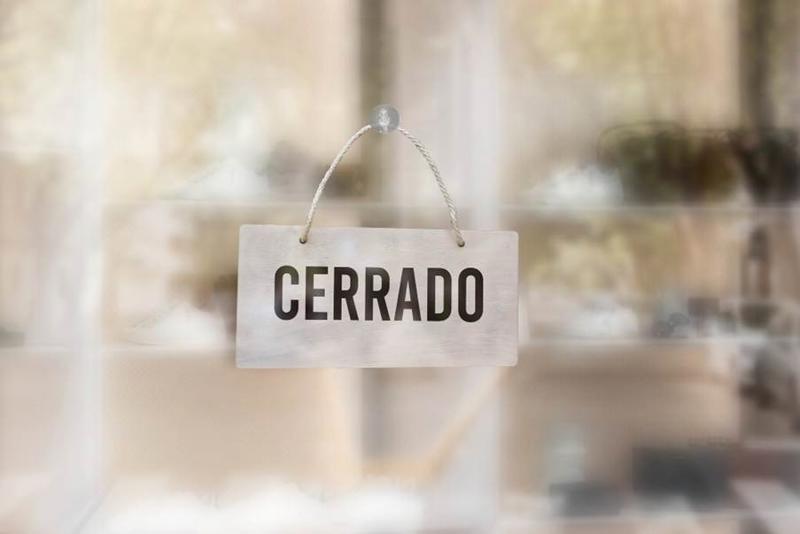
Ask anyone who has spent their first August in Spain and you will hear some version of the same story: a shuttered bakery, a bank that closes at two in the afternoon, a handwritten sign reading cerrado por vacaciones taped to a door that was open every other day of the year. It is not a glitch and it is not personal. It is simply August in Spain — and understanding it is one of the more useful things a new resident can learn early.
Why do people in Spain take August off?
Several things converge at once to make August the quietest working month of the year in Spain.
The heat
In central and southern Spain especially, August temperatures regularly climb into the high thirties and beyond. For businesses that depend on customers being out and about — bakeries, hardware shops, small restaurants — trading through the hottest weeks of the year simply is not worth it.
The school calendar
Spanish schools break up at the end of June and do not return until early September — one of the longest summer holidays in Europe. For parents, taking time off in August is less a lifestyle choice and more a practical necessity.
The culture
Spain operates on the principle often summarised as "we work to live, not live to work." Leisure, family time, and a proper break are treated as a basic entitlement rather than a luxury — and August 15th, the national holiday of the Asunción de la Virgen, acts as the anchor date around which much of the country's holiday planning revolves. It also coincides with peak season for Spain's fiestas — local patron saint festivals that draw people back to their hometowns and villages for a proper reconnection with family and community.
The economics of a collective break
Because so many people are away at once, it becomes more efficient for many small businesses to close entirely for two to four weeks rather than stay open for a trickle of customers. Some manufacturing and construction firms use the quiet period to carry out maintenance work that would otherwise disrupt normal operations. It becomes a genuinely collective pause rather than a scattering of individual holidays.
Does Spain shut down in August?
Not entirely — but it can feel that way in residential neighbourhoods. The honest answer is that Spain divides fairly cleanly into what closes and what carries on.
What typically closes
- Family-run bakeries, butchers, and small independent shops
- Many private doctors', dentists', and specialists' practices
- Small, locally-focused bars and restaurants, particularly those without a tourist clientele
- Local repair shops and trades
- A significant share of public administration staff — meaning government offices run on reduced capacity even when technically open
What stays open — usually on reduced hours
- Large supermarket chains and shopping centres
- Pharmacies, which operate on a rotating duty roster (farmacias de guardia) to ensure round-the-clock coverage
- Public hospitals and emergency health services
- Businesses in tourist-heavy areas, which often stay open specifically because August is their busiest month
- Banks — though typically only in the morning, closing as early as 2pm under the summer schedule
The summer schedule: jornada intensiva
One of the most noticeable shifts in August is jornada intensiva — a condensed working day, typically running from around 8am to 3pm without the usual long lunch break. Many offices, banks, and public bodies adopt this schedule for the summer months, which means the practical window for getting anything done shrinks considerably. A bank branch that is open until 4:30pm in April may close its doors at 2pm sharp in August.
This matters most for bureaucracy. If you have residency paperwork, appointments, or official business to complete, August is consistently the hardest month to get it done — government office staff are themselves on rotating holiday, appointment slots become scarcer, and processing times slow across the board. The general advice from anyone who has lived through a Spanish August is the same: finish what you can before the end of July, or expect to wait until mid-September.
Why is everything in Spain closed in August?
It can feel sudden if you are new to it, but the pattern is consistent and predictable once you know what to expect. Small, locally-owned businesses close because their customer base — local residents — has itself gone away for the month. There is little commercial sense in a neighbourhood bakery staying open when the neighbourhood has emptied out. Larger chains and tourist-area businesses do the opposite, staying open and often extending hours, because August is precisely when their customers — visitors and holidaymakers — are around in the greatest numbers.
The pattern is broadly similar in other southern and central European countries — France and Italy in particular have comparable August slowdowns — but Spain's version is unusually visible because it combines the closures with the country's long-standing Sunday closing culture, creating a rhythm of closed shopfronts that can genuinely surprise newcomers used to a different pace of retail life.
How to plan around the August closures
A little planning goes a long way — here's what to keep in mind depending on what you need to get done.
For bureaucracy and admin
Aim to complete any residency, banking, or official paperwork before the end of July, or accept that it will likely wait until mid-September. If you are in the middle of a longer relocation process, the moving to Spain checklist is worth reviewing with August specifically in mind — timing administrative steps around the summer slowdown can save weeks of delay.
For everyday life
- Do your morning errands before 2pm — banks and many offices will be closed by early afternoon
- Keep a note of the nearest rotating-duty pharmacy (farmacia de guardia), usually posted in the window of your regular pharmacy
- Check opening hours before visiting any small local business, even ones you know well — a "closed for holidays" sign can appear with little notice
- If travelling within Spain in August, book well ahead — coastal areas, the islands, and popular inland towns are at their busiest
For emergencies
Public hospitals and emergency services operate as normal throughout August, regardless of the wider slowdown. Keeping a note of key emergency phone numbers is sensible at any time of year, but particularly useful in a month when your usual local doctor or dentist may well be closed.
Making the most of an August in Spain
Once the closures stop being frustrating, August tends to become one of the more enjoyable months to actually live through. Cities such as Madrid and Barcelona empty out considerably as residents head to the coast or their family villages, leaving streets quieter and terraces easier to find a table at. It is also peak season for regional fiestas patronales — local festivals with music, food, and processions that offer one of the more genuine ways to experience Spanish culture up close. Understanding the wider rhythm of the Spanish calendar of public holidays helps make sense of why August lands the way it does, and how it fits alongside the rest of the year.
For anyone still adjusting to the pace, it is worth remembering that the slowdown reflects something deeper in Spanish culture and values — rest, family, and community are treated as genuinely important, not indulgent. Most new residents find that, after their first surprised August, they come to appreciate the same thing everyone else in Spain already knows: a proper break in August is not a lost month. It is simply how the year is meant to work.

Last updated: 29/07/2026
Was this article useful?
Related Topics
Related Articles