• Property for Sale
  • To Rent
  • Holidays
  • Directory
  • Articles
  • Jobs
    • € EUR
    • Professionals/Advertiser Login
    • Advertise your Property on thinkSPAIN
    • Sell your property with an estate agent
    • Add your Business to the Directory
    • Advertising with thinkSPAIN
    • List a job vacancy on thinkSPAIN
    • By Signing up you are agreeing with our Terms and Privacy Policy.

      Looking for the Professionals/Advertiser Login?
      or

      Don't have an account?  

      • Follow us:

By Signing up you are agreeing with our Terms and Privacy Policy.

Looking for the Professionals/Advertiser Login?
or

Don't have an account?  

Sign up

By Signing up you are agreeing with our Terms and Privacy Policy.
or

Already have a thinkSPAIN account?

Sign in/Register

By Signing up you are agreeing with our Terms and Privacy Policy.
or

Don't have an account?

Forgot your password?

thinkSPAIN Logo

Speed limits to be cut in built-up areas from May this year


Speed limits to be cut in built-up areas from May this year

ThinkSPAIN Team 12/03/2021

A BATTERY of reforms to Spain's road traffic law is set to come into force in May, with speed limits being the main aspect affected.

The text of the law reform is worded so that future changes can be brought in over the course of 2021 as needed.

Mainly, the amendments to the current traffic act are aimed at cutting crash rates and protecting pedestrian, given that around half of all road deaths in built-up areas are of people who were on foot. 

Speed is one of the key factors that influences whether pedestrians survive or not, and how seriously they are injured, or not at all, according to Spain's General Directorate of Traffic (DGT), part of the ministry of transport and public works.

Some of the changes became effective from the beginning of the year, but the main 'visible' ones that drivers will notice more are set to come into force from May 11, exactly six months from the date of their being published in the State Official Bulletin (BOE) on November 11, 2020.

This half-year stay of grace was deliberate, to allow motorists time to become aware of and adapt themselves to the new rules.

Given that even just a few kilometres per hour in one direction or another can literally mean life or death, cars will now have to slow down even farther in towns.

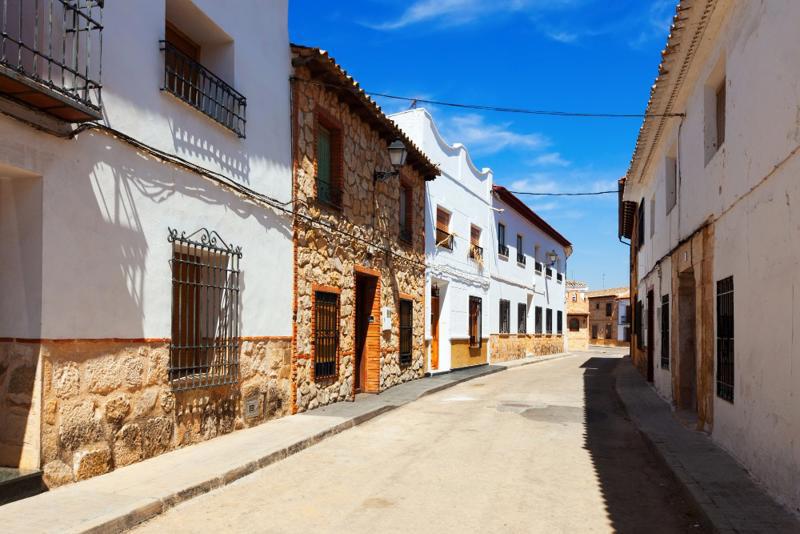
Where the road and pavements are on the same level or their difference in height is negligible – such as a centimetre or two – speed limits will drop to 20 kilometres per hour (12.4mph), although on single-carriageway roads with a kerb through built-up areas, it is slightly higher, at 30 kilometres per hour (18.6mph).

On town roads, where these are dual carriageways or with more than two lanes in either direction, the speed limit will remain at 50 kilometres per hour (31mph).

Goods vehicles transporting hazardous loads may not exceed 40 kilometres per hour (24.9mph) on dual carriageways or roads with more than two lanes in either direction through built-up areas.

Motorway speeds will also be reduced in certain areas – where the highway cuts through a residential zone, drivers must not go beyond 80 kilometres per hour (49.7mph).

This speed limit can be raised, anywhere up to the national motorway maximum of 120 kilometres per hour (74.6mph), by the relevant municipal authorities if they choose to.

One of the most significant recent changes to speed limits has seen non-motorway major highways reduce from their historic 100 kilometres per hour (62.1mph) to 90 kilometres per hour (55.9mph).   

Related Topics

  • Transport

Advertisement

  1. Spain
  2. Speed limits to be cut in built-up areas from May this year