Spain in figures: Birth rate, retired and foreign populations, and life expectancies
Spain in figures: Birth rate, retired and foreign populations, and life expectancies
LIFE EXPECTANCY in Spain is above 85 for men and women in five towns, all in Madrid, according to the recent research report released by the National Statistics Institute (INE) – from Pozuelo de Alarcón (86.2) to Alcobendas (85.3) with Majadahonda, Alcorcón and Las Rozas in the middle, but does not differ greatly between the top 15 highest and the 15 lowest.
Alcobendas (Greater Madrid region) has the second-highest life expectancy in Spain at 85.3 (photo by Alcobendas socialist party, or PSOE)
Completing the top 15 are San Sebastián de los Reyes at 84.8 and, jointly on 84.3, Vitoria-Gasteiz, Madrid city, Pamplona and Collado Villalba, with those in between being Getxo, Leganés, Getafe (Madrid), Sant Cugat del Vallès, and Guadalajara.
The lowest life expectancy in Spain is in La Línea de la Concepción, and is the only one of Spain's 126 largest towns and cities where this is under 80 – at 79.7 – and is even beaten by Ceuta's 80 and Melilla's 80 years and six months, two enclaves in Spain which have historically had some of the lowest life expectancies.
All the others in the bottom 15 are between 81years exactly, and 81 years and 20.5 weeks, or about five months – in ascending order, from precisely 81, are Cádiz, Arrecife, Telde, Algeciras (Cádiz province), Las Palmas de Gran Canaria, Almería, Huelva, El Puerto de Santa María (Cádiz province), and jointly on 81.4 years, Santa Cruz de Tenerife, Linares, Málaga and Torrevieja.
Even those with the lowest life expectancies in Spain are still, however, among the highest in the world.
Also below the national average of approximately 83 are Torremolinos, Cáceres (Extremadura), Torrelavega (Cantabria), Paterna (Valencia), Jaén, Castellón (Comunidad Valenciana), Reus (Tarragona province), and Chiclana de la Frontera (Cádiz province), but until Castellón inclusive, all of these are at least 82.
Above the national average of around 83, but not in the top 15, are Oviedo, Santander, Parla, Albacete (south-eastern Castilla-La Mancha), Ávila and Burgos (Castilla y León), with the latter being just short of 84, or 83 years and 11 months.
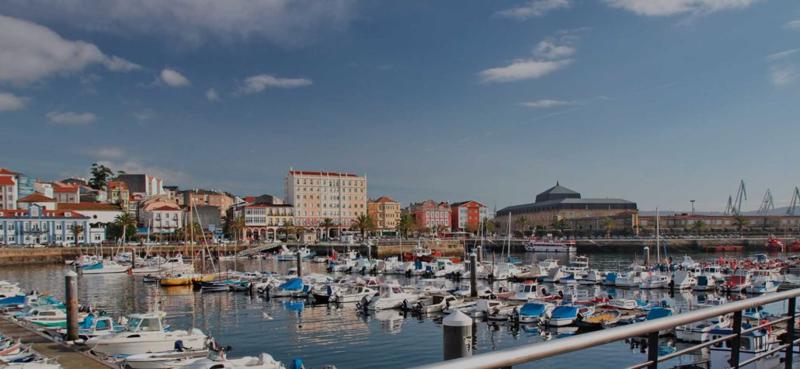
The research only briefly touched on mortality rates – the highest, at 13.69 per 1,000 annually, or 1.37%, is Ferrol, the town with the oldest population.
Children per woman
Birth rates were taken from figures as at the end of 2018, meaning they are showing as higher than they are now in reality – these have been constantly falling since before the end of the last century, so the mid-2021 average is likely to be below the late-2018 number of 1.26 children per women of fertile age.
Melilla has Spain's highest birth rate, at 2.17 per woman, compared with the national average of 1.26
Melilla's 2.17 per woman was a long way from its nearest 'rival', Lorca (Murcia), at 1.66, and also from its near-neighbour Ceuta, directly south of Gibraltar on the northernmost tip of the African continent, at 1.64.
La Línea de la Concepción was fourth-highest with 1.62 children per woman and Manresa (Barcelona province) fifth with 1.55 – but unlike life expectancy, having children did not seem to have any link to income or employment levels, nor was there any great north-south divide.
San Cristóbal de la Laguna, Tenerife, has the lowest birth rate in Spain at 0.89 children per woman
This is seen with the joint sixth highest-birth-per-female towns, at 1.52, being Almería, Cartagena (Murcia) and Parla (Madrid), followed closely by Sanlúcar de Barrameda (1.5), Reus (1.48), Murcia and Santa Coloma de Gramenet (Barcelona province) jointly on 1.45, Rivas-Vaciamadrid at 1.44, and Getafe and Terrassa (Barcelona province) jointly on 1.43.
The region with the lowest rate of childbirth is the Canary Islands, with just 0.89 children per woman in San Cristóbal de la Laguna (Tenerife), the smallest birth rate in Spain.
It was followed by Telde (0.95), Las Palmas de Gran Canaria (0.96), Gijón (Asturias) and Santa Cruz de Tenerife (jointly on 0.97), Avilés (Asturias), Cádiz, and Oviedo (Asturias) jointly on 1.02, Ourense (Galicia) at 1.03, Cerdanyola del Vallès at 1.04, Ferrol at 1.05, jointly on 1.06 Fuengirola (Málaga province), Torrelavega (Cantabria) and Vigo (Pontevedra, Galicia), and A Coruña (Galicia) at 1.07.
Percentage of children among populations of towns and cities
These figures tie in with the towns and cities with the largest and smallest percentages of children aged 14 and under – the national average is about 15.5%, the lowest (in Ferrol) is 10.36%, the highest (in Melilla) is 23.13%, followed at some distance by Valdemoro (Madrid) at 21.46%.
Valdemoro (Greater Madrid region) has the second-highest percentage of children among its population - 21.46% (photo: Wikimedia Commons)
Above average but below these two are, in descending order, Ceuta (20.92%), Parla, Rivas-Vaciamadrid, Las Rozas, Sant Cugat del Vallès, Alcalá de Guadaíra, Paterna (Valencia), Dos Hermanas, Majadahonda, Chiclana de la Frontera, Algeciras, San Sebastián de los Reyes, Pozuelo de Alarcón, Lorca, Cartagena, Viladecans (Barcelona province), Torrejón de Ardoz, Terrassa (Barcelona province), Torrent (Valencia), Reus, Rubí, Murcia, Sant Vicent del Raspeig (Alicante province), Girona, Jerez de la Frontera, Alcobendas, El Puerto de Santa María, Sanlúcar de Barrameda, Marbella, Castelldefels, Almería, Mérida, Mataró (Barcelona province), Toledo, Badajoz, La Línea de la Concepción, Mollet del Vallès (Barcelona province), Collado Villalba, San Fernando (Cádiz), Arrecife, Fuenlabrada, Sabadell (Barcelona), Santa Lucía de Tirajana, Benalmádena (Málaga province), Elche, Tarragona, Talavera de la Reina, Manresa, Albacete, Getafe, Badalona, El Prat de Llobregat, Lleida, Málaga, Huelva, Sant Boi de Llobregat (Barcelona province), Guadalajara, Santa Coloma de Gramenet, Córdoba, Castellón, Granollers (Barcelona), Alcorcón, Jaén, Vilanova i la Geltrú (Barcelona province), Cáceres, Ciudad Real, and Torremolinos.
More or less exactly on the average figure were Gandia (southern Valencia province), Cornellà de Llobregat (Barcelona province), Leganés, Sevilla, Alcalá de Henares (Madrid), Alicante and Sagunto (Valencia) (at exactly 14.93%), Logroño (La Rioja), Vitoria-Gasteiz, Ávila, and Palma de Mallorca.
Gijón (Asturias) has the third-lowest proportion of children among its residents, after Ferrol and Avilés (photo: Gijón town hall)
Below average, in descending order, were Cuenca (eastern Castilla-La Mancha), Linares, Cerdanyola del Vallès, Móstoles (Madrid), Telde, Zaragoza, Irun, Alcoi (Alicante province), Burgos, L'Hospitalet de Llobregat (Barcelona province), Pontevedra, Torrevieja, Pamplona, Elda (Alicante province), Valencia (at 13.64%), Fuengirola, Granada, Madrid city (at 13.49%), Coslada (Madrid), Barakaldo, Lugo, Vigo, Santiago de Compostela, Benidorm (at 12.91%), Santa Cruz de Tenerife, Getxo, San Cristóbal de la Laguna, Palencia (Castilla y León), Barcelona (at 12.63%), San Sebastián, Las Palmas de Gran Canaria, Torrelavega, A Coruña, Cádiz, Oviedo, Ourense, Valladolid, Ponferrada (León province), Salamanca, Bilbao, Zamora, Santander, León, Gijón at 11.3%, Avilés at 11.18%, and Ferrol.
Highest and lowest proportions of pension-age residents by town
Spain's largest towns and cities with the highest percentage of the population of at least State pension age are Ferrol at 27.68% - the national average is 19.17% - followed by Salamanca (26.9%) and León (26.62%).
Ferrol (Galicia) where the largest percentage of pensioners in Spain lives - nearly three in 10 residents are over 65 (photo: Ferrol tourist information office)
Between these and the 18% average are Valladolid, Gijón, Ourense, Torrelavega, Avilés, Zamora, A Coruña, Santander, Getxo, Bilbao, San Sebastián, Cádiz, Ponferrada, Palencia, Torrevieja (at 22.45%), Oviedo, Pamplona, Alcorcón, Vigo, Burgos, Leganés, Santiago de Compostela, Barcelona, Lugo, Granada (21.29%), Irun, Fuengirola (21.25%), Zaragoza (Aragón), Alcoi, Valencia (20.71%), Sagunto, Vitoria-Gasteiz, Elda, Madrid (20.38%), L'Hospitalet de Llobregat, Cornellà de Llobregat, Pontevedra, Logroño, Manresa, Benidorm (19.73%), Santa Coloma de Gramenet, and Ávila.
Below the national average, in descending order, are Vilanova i la Geltrú, Sevilla, Getafe, Móstoles, Sant Boi de Llobregat, Alicante (18.7%), Badalona, Sabadell, Santa Cruz de Tenerife, Talavera de la Reina, Cerdanyola del Vallès, Linares, Córdoba, Castellón, Cuenca, Tarragona, Las Palmas de Gran Canaria, Huelva (17.85%), Coslada, Granollers, Lleida, Reus (17.57%), Jaén, Gandia (17.52%), Málaga (17.36%), Torremolinos (17.27%), Alcalá de Henares, Guadalajara, Ciudad Real, Pozuelo de Alarcón, La Línea de la Concepción, Mollet del Vallès, Terrassa, Toledo, Cartagena (16.6%), Elche (16.49%), Viladecans, Badajoz, Alcobendas, Almería (15.87%), Palma de Mallorca (15.83%), San Fernando, San Cristóbal de la Laguna, Jerez de la Frontera (Cádiz province), Majadahonda, Torrent, Girona, Murcia (15.44%), Rubí, Mérida, Benalmádena (15.12%), El Puerto de Santa María, Lorca, Sanlúcar de Barrameda, Castelldefels, Marbella (14.26%), Sant Vicent del Raspeig, Alcalá de Guadaíra, San Sebastián de los Reyes, Torrejón de Ardoz, Telde, Sant Cugat del Vallès, Paterna, Collado Villalba, Chiclana de la Frontera, Las Rozas, Dos Hermanas, Ceuta (11.44%), Fuenlabrada, Parla, Arrecife (10.47%), Melilla (10.04%), Santa Lucía de Tirajana, Valdemoro, and Rivas-Vaciamadrid which had the lowest percentage of pension-age inhabitants in the country, at 7.1%.
Rivas-Vaciamadrid, Spain's youngest large town - only 7.1% of residents are of State pension age (photo: Vivir En Rivas on Wordpress)
Foreign-born residents: The most cosmopolitan of Spain's biggest towns
For the largest towns and cities in Spain with the highest percentage of foreign-born residents, no breakdown by nationality was given, and actual numbers were not revealed – in the latter case, Madrid and Barcelona have the largest totals, but as a proportion of their headcount, they did not figure highly on the list.
Near the port in Torrevieja (southern Alicante province), a town where 46.28% of residents are foreign (photo: Wikimedia Commons)
Torrevieja, Fuengirola and Benidorm had the largest foreign resident percentages – 46.28%, 42.25% and 34.05% respectively – and although nationality was not given, as at the end of 2019, the province of Alicante, which is where the first and third of these are based, was home to 69,728 British citizens; 4,533 lived in Torrevieja and 2,643 in Benidorm, although the town in the province with the highest number of Brits outright is Orihuela, mostly in its Orihuela Costa area, with 9,514, followed by Rojales, with 5,846.
Poniente beach in Benidorm (Alicante province), where a third of the population was born abroad - the third-highest in Spain (photo: Wikimedia Commons)
Benalmádena and Marbella both had a foreigner total of over 30%, and were followed by L'Hospitalet de Llobregat, Arrecife, Torremolinos, Castelldefels, Parla, Santa Coloma de Gramenet, Barcelona (24.24%), Melilla (23.66%), Collado Villalba, Gandia (22.72%, of whom 213 were British two years ago), Palma de Mallorca with the same figure as Gandia, Santa Lucía de Tirajana, Lorca, Madrid (21.08%), Alcobendas, Lleida, Granollers, Torrejón de Ardoz, Manresa, Cornellà de Llobregat, Alicante (18.86%), Tarragona, Majadahonda, Alcalá de Henares, Mataró, Coslada, Valencia (17.1%, of whom 2,146 of the city's 775,000 are British), Castellón (17.14%, of whom 189 are British), Sant Cugat del Vallès, Pamplona, Reus (16.6%), Rubí, Badalona, San Sebastián de los Reyes, Guadalajara, Móstoles, Terrassa, Getafe, Mollet del Vallès, Las Rozas, Santa Cruz de Tenerife (14.51%), Valdemoro, Vilanova i la Geltrú, Sabadell, Leganés, Logroño, Sagunto, Alcorcón, Fuenlabrada, and Pozuelo de Alarcón (13.57%).
Fewest foreigners per head in Spain's largest cities and towns
The national average is 13.26%, and the biggest towns with the smallest proportion of foreign-born residents are Sanlúcar de Barrameda, with just 2.1% who were not born in Spain; San Fernando, with 2.39%, Cádiz, with 3.11%, Linares, with 3.31%, and Jerez de la Frontera, with 3.86%.
Sanlúcar de Barrameda (Cádiz province), the ‘most Spanish’ big town in Spain - only 2.1% of inhabitants were born in another country (photo: Cádiz province tourism board)
Between Jerez and the national average, in ascending order, are Jaén (3.87%), Alcalá de Guadaíra, Dos Hermanas, Mérida, Córdoba (4.2%), Cáceres, Badajoz, Ferrol (5.18%), Chiclana de la Frontera, El Puerto de Santa María, Zamora, Telde (5.85%), Avilés, Palencia, Huelva city (5.96%), Ciudad Real, Alcoi (7.02%, of whom 50 were British as at the end of 2019), Valladolid, Sevilla (7.32%), Elda (7.53%), Albacete, Salamanca, León, Pontevedra, Gijón, Lugo, Barakaldo, Torrelavega, Ávila, Santiago de Compostela, Ponferrada, Getxo, Burgos, Sant Vicent del Raspeig (9.67%, of whom 66 are British), Granada, La Línea de la Concepción (9.77%), Talavera de la Reina, Cuenca, Algeciras (10.29%), Toledo, Vigo, Oviedo, Bilbao (11.31%), Ourense, Torrent (11.57%, of whom 86 were British as at the end of 2019), Málaga (also 11.57%), Paterna (11.6%, of whom 89 are British), A Coruña, Santander, El Prat de Llobregat, Sant Boi de Llobregat, Las Palmas de Gran Canaria (12.18%), Elche (12.25%), Rivas-Vaciamadrid, Almería (12.5%), Vitoria-Gasteiz, Murcia (12.55%), Cartagena (12.59%), Cerdanyola del Vallès, Zaragoza, San Cristóbal de la Laguna (12.96%), Ceuta (12.97%), and Irun (13.06%).