- Where do most expats live in Mallorca?
- Most expensive neighbourhoods in Mallorca
- Cheapest areas to buy property in Mallorca
- Where are the best luxury properties in Mallorca?
- What are the best areas for families in Mallorca?
- Where to invest in Mallorca? - 2026 Hotspots
- Greater Mallorca: The rural coastal & countryside lifestyle
- Is Mallorca a good place to buy property?
11 min read
As the Mallorca property market moves through 2026, it has firmly transitioned from a post-pandemic boom into a mature, low-volatility era. Defined by strict planning constraints and geography, the island is the ultimate "supply-side" market. With approximately 32% of the Balearic Islands designated as protected land, genuine scarcity is driving the narrative. Buyers here are no longer just looking for a summer holiday home; they are investing in a safe, cosmopolitan Mediterranean lifestyle backed by rock-solid equity preservation.
The buyer profile in 2026 is highly international and increasingly focused on primary or dual residency. Foreign buyers account for roughly 34% of all property transactions in the Balearics. While Germans, the British, and Northern Europeans remain the dominant forces in the premium sectors, the market is seeing a surge in North American buyers drawn by expanding direct flight routes to Palma. This diversification insulates the island from single-nation economic downturns, cementing Mallorca as a tier-one global destination.
For the prospective buyer, the numbers reflect a robust market. While the 10-year picture shows nominal prices have risen nearly 97% since 2015, the outlook for 2026 predicts a sustainable, moderate growth of 3% to 5% overall, with luxury segments poised to grow by 5% to 8%. Buying real estate in Mallorca today is less about speculative flipping and more about securing a finite asset in Europe's most resilient island economy.
| The Economic Indicators Defining 2026 | ||
|---|---|---|
| Economic Indicator | Value (2026) | Market Implication |
| Palma City Avg Price | €5,257/m² | High demand and scarcity pushing the capital to historic highs. |
| Projected Price Growth | 3% - 5% | Sustainable appreciation; a shift from rapid surges to stable growth. |
| Mortgage Rates (Fixed) | 3.0% - 4.5% | Predictable financing for both residents and non-residents. |
| Foreign Buyer Share | 32% | Intense international competition, especially in the premium sector. |
| ITP (Resale Tax) | 8% - 13% | A progressive tax structure requiring buyers to plan for long-term holds. |
Where do most expats live in Mallorca?
The international community in Mallorca is vast and highly integrated. While expats can be found in almost every village, specific hubs offer the perfect blend of Mediterranean charm and year-round international amenities.
Santa Catalina (Palma)
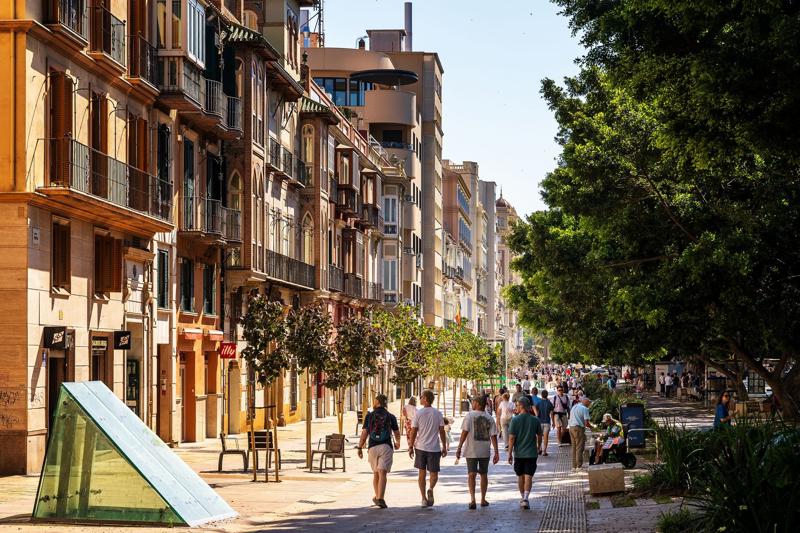
Once a humble fishermen's quarter, Santa Catalina is now the beating heart of Palma’s international community, often compared to Soho or Greenwich Village for its creative energy, dining density, and gentrified transformation; aesthetically and culturally, it remains distinctly Mediterranean.
- Average cost (2026): €4,000 – €6,500/m².
- Housing style: Traditional two-storey townhouses with characteristic green shutters and beautifully renovated modernist apartments featuring exposed wooden beams.
- Lifestyle & buyer fit: It is the premier choice for digital nomads, young professionals, and yacht crew. Life revolves around the vibrant Mercat de Santa Catalina, highly walkable streets, and an endless array of international cafes and restaurants.
Portixol and El Molinar (Palma)
Just east of central Palma, these former fishing neighbourhoods have transformed into highly desirable waterfront enclaves.
- Average cost (2026): €3,500 – €5,000/m².
- Housing style: Predominantly low-rise architecture, featuring prime waterfront apartments and meticulously renovated fishermen's houses.
- Lifestyle & buyer fit: Perfect for those seeking a highly active outdoor lifestyle. The sweeping pedestrian and cycling promenades right on the Mediterranean make it a magnet for international residents wanting a relaxed seaside vibe without leaving the city.
Portals Nous & Bendinat (Southwest)
Located just 15 minutes west of Palma, this area is the quintessential luxury expat enclave, offering a manicured, resort-like atmosphere year-round.
- Average cost (2026): €5,500 – €8,000/m².
- Housing style: High-end gated apartment complexes with sea views and sprawling contemporary villas.
- Lifestyle & buyer fit: Ideal for affluent families and yacht owners. The presence of the superyacht marina, Puerto Portals, combined with proximity to elite international schools like King Richard III College, makes this a highly sought-after, community-driven hub.
Most expensive neighbourhoods in Mallorca
For ultra-high-net-worth individuals seeking prestige, privacy, and capital preservation, Mallorca’s "safe havens" represent the absolute ceiling of the Spanish island market. These enclaves are functionally insulated from broader economic trends.
Son Vida (Palma)
Often referred to as the "Beverly Hills of Mallorca," Son Vida is an exclusive gated community perched in the hills directly above Palma.
- Average cost (2026): €7,000 – €10,000+/m².
- Housing style: Palatial, ultra-modern designer villas and classic Mediterranean estates, typically sitting on large plots with infinity pools and panoramic views of the Bay of Palma.
- Typical buyer: Celebrities, business tycoons, and international diplomats who demand 24-hour security, supreme privacy, and immediate access to three championship golf courses.
Port d'Andratx (Southwest)
A spectacular natural harbour that seamlessly blends a working fishing port with billionaire luxury.
- Average cost (2026): €7,500+/m².
- Housing style: Villas cascading down the steep cliffsides of Monport and La Mola, offering dramatic, unobstructed sunset views over the sea.
- Typical buyer: The global elite and affluent Northern European buyers seeking the ultimate trophy property in a chic, vibrant seaside setting.
Cheapest areas to buy property in Mallorca
While Mallorca is a premium destination, there are still pockets of value for budget-conscious buyers and investors looking for high rental yields and gentrification potential.
Inca & The Central Plain (Es Pla)
Located in the heart of the island, Inca is Mallorca’s third-largest town and offers a completely different, highly authentic market dynamic.
- Average cost (2026): €2,000 – €4,000/m².
- Housing style: Traditional Mallorcan village houses requiring some updating, and affordable mid-century apartment blocks in the town centre.
- Why buy: Exceptional value for money. Inca boasts excellent direct train links to central Palma (roughly 30 minutes), making it a highly practical commuter town for local workers and expats seeking a genuine, year-round Mallorcan lifestyle away from tourist premiums.
Llevant & La Soledat (Palma)
These eastern districts of Palma are undergoing the city's most dramatic urban regeneration.
- Average cost (2026): €2,500 – €3,500/m².
- Housing style: A mix of older, working-class housing stock and brand-new, eco-friendly apartment developments.
- Why buy: Astounding capital appreciation. In 2026, property values in Llevant and La Soledat grew by approximately 26% annually as the city expanded its "innovation district". It is the prime location for yield-seeking investors looking for early-entry value.
Where are the best luxury properties in Mallorca?
Luxury in Mallorca is not just about price; it is defined by historical significance, architectural pedigree, and absolute exclusivity
Old Town Palma (La Seu / Calatrava)
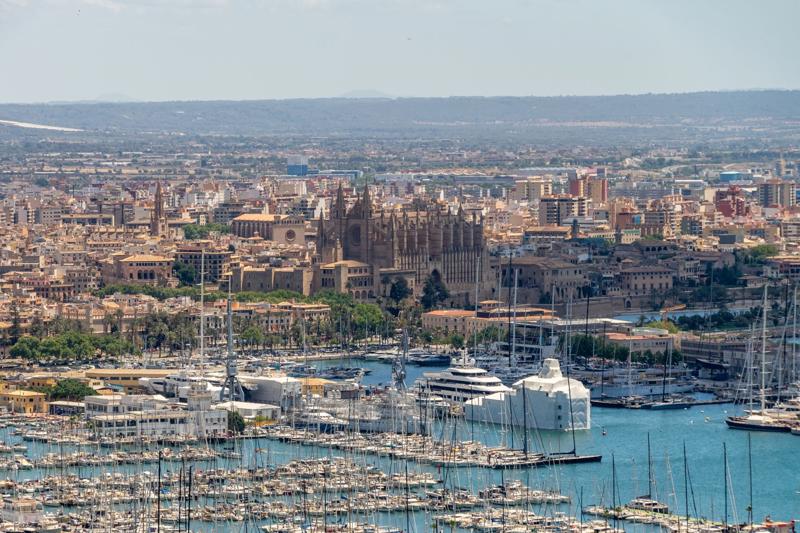
To buy in the historic centre of Palma is to buy a piece of Mediterranean history.
- The unique selling points: The ultimate trophy assets here are the "Palacios" or "Casas Señoriales"—historic mansions featuring grand inner courtyards (Patios Mallorquines), vaulted stone ceilings, and private roof terraces overlooking the Gothic Cathedral.
- The market: Prices in the Old Town range from €4,000 to €6,993/m², with fully renovated, designer-finished penthouses often exceeding these averages due to the strict preservation laws preventing new builds.
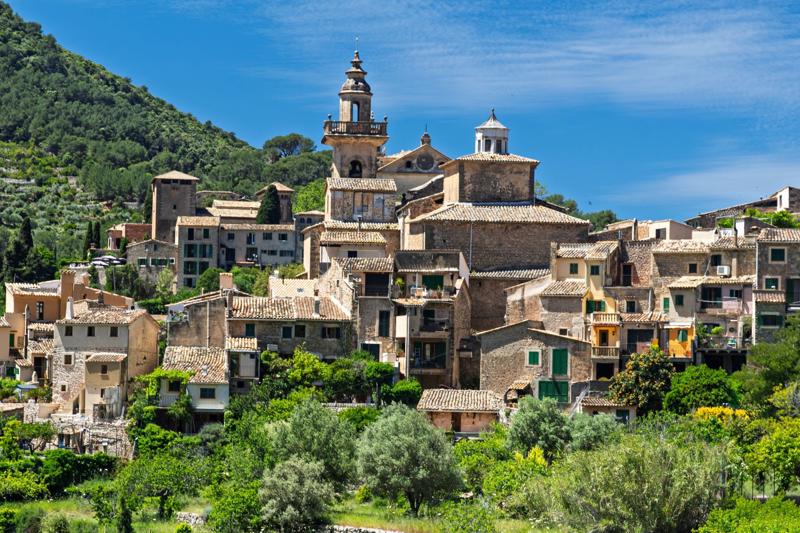
Deià & The Tramuntana Mountains
For those whose definition of luxury is total seclusion amid breathtaking nature, the UNESCO World Heritage-listed Tramuntana range is unmatched.
- The unique selling points: Deià is famous for its bohemian legacy, having attracted artists and writers for decades. Luxury here means centuries-old stone fincas (country estates) nestled in olive groves, offering unparalleled privacy and dramatic sea views.
- The market: Due to intensely strict building regulations, supply is practically zero. Expect to pay between €6,000 and €9,000/m² for the privilege of owning a piece of this protected paradise.
What are the best areas for families in Mallorca?
For international families relocating to the island, priorities shift toward safety, outdoor space, and proximity to top-tier education.
Santa Ponsa (Calvià)
A sprawling, green residential area in the southwest that offers a perfectly balanced family lifestyle.
- Why It's one of the best: Santa Ponsa is incredibly safe, features multiple family-friendly beaches, and is home to excellent sporting facilities including golf and tennis clubs. Crucially, it sits within a 10-minute drive of major international schools like Baleares International College.
- Housing style: A wide mix ranging from luxury golf-course villas to secure, gated apartment communities with large communal pools. Prices range from €4,500 to €7,500/m²
Pollensa & Puerto Pollensa (The North)
For families preferring a quieter, more traditional environment away from the glitz of the southwest, the north is the ultimate choice.
- Why It's one of the best: It offers a highly active, outdoor lifestyle favoured by cyclists, hikers, and sailors. The community is tight-knit and year-round.
- Housing style: Townhouses in the historic centre of Pollensa and large family villas in prestigious nearby urbanisations like La Font. Prices sit between €4,000 and €7,000/m².
Alcudia and Puerto Alcudia (North)
Often grouped with Pollensa, Alcudia is another fantastic family choice, providing a slightly more accessible entry point into the prestigious northern market.
- Why It's one of the best: With its historic Roman walls, vast sandy beaches, and welcoming local infrastructure, Alcudia is brilliant for year-round living.
- Housing style: A vibrant mix of new builds, historic townhouses within the old walls, and seaside villas. Prices here offer solid value, ranging from €3,500 to €5,500/m².
Where to invest in Mallorca? - 2026 Hotspots
If your goal is capital appreciation in 2026, the smart money is following municipal infrastructure and urban expansion.
- Nou Llevant (Palma): As mentioned, this is the city's designated tech and innovation hub. With projected price growth remaining between 9% and 15% for 2026, it is the undisputed hotspot for off-plan property investment and long-term rental yield.
- Establiments and Son Sardina (Palma Outskirts): For buyers eyeing immediate capital appreciation, these two perimeter neighbourhoods are experiencing massive surges. Benefiting from buyers seeking a rural feel close to the city, property price growth in these areas reached approximately 16% annually going into 2026.
- Playa de Palma and Las Avenidas (Palma): Ongoing urban improvements and an exceptionally tight housing supply are pushing these central and coastal strips into the spotlight. Analysts project 2026 annual price growth of roughly 9% to 15% across these corridors.
- Son Ferriol & Sant Jordi: Located near the airport, these areas are seeing an influx of young professionals priced out of the city centre. Historical growth here recently hit 17%, making it a prime target for buyers seeking townhouses with investment upside.
Greater Mallorca: The rural coastal & countryside lifestyle
For buyers who desire space, land, and a slower pace of life—without sacrificing connectivity to Palma's business districts—the island’s rural interior and peripheral coastal zones offer spectacular options.
Santa Maria del Camí & Alaró (Central)
Situated at the foothills of the Tramuntana mountains, these towns represent the pinnacle of the upscale rural lifestyle.
- The lifestyle: This is Mallorca’s wine country. Life here is defined by Sunday local markets, vineyards, and sprawling almond orchards. Despite the rustic feel, a train or car ride puts you in central Palma in just 20 minutes, making it highly viable for international executives.
- The market: The property of choice is the renovated finca (farmhouse). Renovated fincas in this central belt typically trade between €1,400,000 and €3,000,000.
Santanyí and Cala d'Or (Southeast)
The southeast coast has become extremely popular among international buyers seeking authentic, honey-colored stone architecture and access to stunning calas (coves).
- The lifestyle: Serene, artisanal, and picturesque. Santanyí is renowned for its vibrant market and boutique lifestyle, while Cala d'Or offers a chic, marina-focused coastal living experience.
- The market: This zone provides a diverse mix of rural fincas, village houses, and coastal villas, with prices sitting comfortably between €4,000 and €7,000/m²
Artà, Colònia de Sant Pere, and Canyamel (Northeast)
For those wishing to escape the denser populations of the southwest, the northeast corner is a quieter, low-density alternative that maintains high luxury standards.
- The lifestyle: Immersed in nature parks, pristine beaches, and world-class golf courses. It retains a highly authentic Mallorcan character.
- The market: An upscale market with steady appreciation. Top-tier houses and fincas here often exceed €2,300,000, while premium apartments trade around €600,000.
Is Mallorca a good place to buy property?
Investing in Mallorca in 2026 is highly lucrative, but it requires strategic foresight and an understanding of local legislation.
- The appreciation potential
Mallorca’s geographic limits are its greatest economic asset. With building permits heavily restricted and new-build supply (though up 34% in recent years) still falling short of structural demand, the island has a permanent floor on property values. A 10-year investment horizon here is effectively a hedge against inflation.
- The rental dilemma
Investors must navigate the Balearic Islands' strict tourist rental laws. Short-term holiday letting of apartments is largely banned in Palma and heavily restricted elsewhere. Therefore, the most secure yield strategy for 2026 is either purchasing detached villas with existing ETV tourist licences (Estancia Turística en Vivienda) or focusing entirely on the booming long-term and corporate rental market, where demand far outstrips supply.
- Taxation
Buying in the Balearics requires budgeting for a progressive Property Transfer Tax (ITP) on resale homes. The rate starts at 8% for the first €400,000 and climbs progressively up to 13% for properties over €3 million. Buyers must factor these closing costs into their return-on-investment calculations.
Entering 2026, Mallorca remains the crown jewel of the Spanish real estate market. Whether you are drawn to the architectural majesty of Palma’s Old Town, the secure luxury of Son Vida, or the rustic charm of a Santa Maria finca, buying a home here means securing a stake in a world-class, heavily protected ecosystem. While the entry price is undeniably premium, the combination of unmatched lifestyle, enduring international demand, and strictly capped supply ensures that a Mallorca property is one of the most resilient investments in Europe.
Ready to make your move to the Balearics? Start your search today on thinkSPAIN, where you can browse thousands of fincas, villas, and apartments to find your ideal island home.

Last updated: 17/09/2026
Was this article useful?
Related Topics
Related Articles