- Best places to live on the Costa Blanca
- Population and popular expat areas
- Cost of living in Alicante and the Costa Blanca
- Renting and buying property in Alicante
- Working in Alicante: Job opportunities and remote work
- Healthcare in Alicante: Public and private hospitals
- International and bilingual schools in the Costa Blanca
- Getting around: Public transport and roads on the Costa Blanca
- Climate in Alicante and the Costa Blanca
- Things to do on the Costa Blanca
- Visas for expats in Alicante
- Professional international moving
13 min read
This is your comprehensive and essential guide to successfully navigating a relocation to the province of Alicante, the true heart of Spain's stunning Costa Blanca. This region is renowned globally for its kilometres of beautiful white beaches, a consistently stable and exceptionally mild Mediterranean climate, and a vast, established international community that makes transitioning seamless.
Whether you are a retiree looking for year-round golf and a relaxed pace, a family prioritising high-quality international school education, or a remote worker seeking a high quality of life, this guide provides the vital logistical, financial, and lifestyle information you need to make Alicante your new Spanish home. The Costa Blanca is a welcoming and popular destination for the expat community.
Best places to live on the Costa Blanca
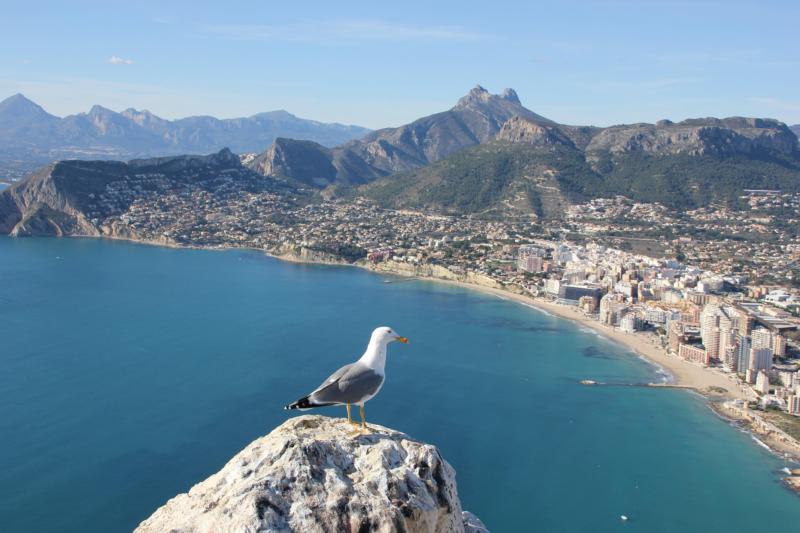
The Costa Blanca stretches over 200 kilometres of coastline in the province of Alicante and is geographically split into the North and South, each offering a distinct lifestyle and appeal to various expat groups.
- Alicante city:The vibrant provincial capital offers an ideal blend of city amenities, historical charm, and coastal life. It is perfect for younger professionals and families who want access to a busy university, a diverse cultural scene, and excellent transport links (including the international airport in Alicante).
- North Costa Blanca (The Marina Alta):
- Jávea (Xàbia) & Denia: Highly sought after by Western and Northern European foreign buyers, these towns offer picturesque, greener environments with mountain backdrops. They are known for high-quality dining, marinas, secluded coves, and a more upmarket atmosphere. Denia also provides a crucial ferry link to the Balearic Islands.
- Altea: Recognised for its stunning white-washed old town perched on a hill, Altea attracts creatives and those looking for a quieter, more sophisticated and bohemian lifestyle.
- South Costa Blanca (Vega Baja del Segura):
- Torrevieja & Orihuela Costa: These Costa Blanca areas boast some of the highest concentrations of foreign residents in allSpain, featuring large, established expat communities. They are popular for affordability, purpose-built golf resort developments, and extensive infrastructure catering directly to international residents, especially British and Scandinavian retirees. This is truly a sought-after retirement spot.
- Inland villages: Towns such as Elche and Novelda offer a more traditional Spanish culture, significantly lower property market prices, and a stronger connection to the local employment markets away from tourist hotspots.
Population and popular expat areas
Alicante is one of Spain’s most highly international provinces. The expat community is well-established, making the transition easier as many essential services (legal, medical, and real estate) are readily available in multiple languages, particularly English, German, and Dutch.
While the British community forms the largest single expat group, the Costa Blanca also sees high populations of residents from the Netherlands, Germany, Belgium, and Scandinavia.
- The total population of Alicante province exceeds 1.9 million, with the foreign-born population representing a very significant percentage, well above the national average.
- Popular areas for expats include the coastal strip from Denia down to Torrevieja. The area around the Orihuela Costa and the northern towns of Jávea and Moraira are particularly dense with international residents, forming robust social and community networks.
Cost of living in Alicante and the Costa Blanca
The Costa Blanca is consistently ranked as one of the most cost-effective coastal regions in Spain. The cost of living is noticeably lower than in metropolitan areas like Madrid or Barcelona, or the prime luxury zones of the Costa del Sol.
A single expat can typically maintain a comfortable lifestyle on a monthly budget of €1,500 - €1,900, inclusive of accommodation. Based on recent data from Numbeo (October 2025), estimated monthly costs for a single person, excluding rent, are around €673.
For major expenses, an apartment (rent for a one-bedroom in the Alicante city centre averages approximately €875 per month), making it generally significantly cheaper than major Spanish capitals for rent. Basic utilities (electricity, heating, water, garbage) for a typical 85 m2 apartment average around €97 per month, a figure considered very affordable compared to Northern Europe. High-speed internet (60 Mbps or more) is highly competitive at approximately €28 per month. Daily living expenses are also low: an inexpensive meal in a restaurant costs around €15 per person, and a monthly local transport pass is only about €23.50, which is highly competitive for a major city.
Renting and buying property in Alicante
The housing market is dynamic for buyers, offering everything from affordable apartments near the sea to multi-million-euro luxury villas. Prices vary dramatically based on location, quality, and proximity to the beach.
Alicante city's average property sale price is approximately €2,300 per square meter. In premium northern coastal towns like Jávea or Altea, prices can range from €3,500 to over €4,500 per square meter for modern, well-located properties.

Luxury and most expensive areas
- Altea Hills: An exclusive, gated community offering unparalleled security and panoramic sea views, featuring large, contemporary villas for buyers seeking high-end communities in a stunning natural environment.
- Cabo de las Huertas (Alicante): A prestigious, high-end neighbourhood in the city, known for luxury apartments and proximity to beaches and coves.
- Portichol/La Granadella (Jávea): Areas famous for private coves, stunning natural scenery, and high-value, designer coastal villas.
Affordable areas
- The Inland Valleys (Vinalopó Medio): Towns like Elda, Novelda, and Pinoso offer some of the lowest property prices in the province, with options for traditional fincas and townhouses.
- San Vicente del Raspeig: Located near the University of Alicante, this area offers good-value housing and a vibrant, younger community with excellent transport links to the city.
- Southern Interior: Areas slightly further inland from Torrevieja (like Ciudad Quesada or Rojales) offer modern, low-maintenance housing developments at accessible prices.
To fully understand the legal steps involved, be sure to read our guide on how to buy a property in Spain as a foreigner.
Working in Alicante: Job opportunities and remote work
While the economy is dominated by the tourism and service sectors (property, hospitality, real estate), Alicante is a growing hub for other industries.
- Traditional industries: The region is historically important for the footwear industry (centred in Elche and Elda) and the production of marble and toys (Alcoy/Ibi).
- The tech scene: Alicante City is emerging as a regional hub for technology and startups, supported by the large University of Alicante and the city's status as the provincial capital.
- Remote work & Digital Nomads: The Costa Blanca is exceptionally suited for remote workers due to the high quality of life, affordable cost of living, and reliable high-speed fibre optic internet, especially in larger towns. The recent Spanish digital nomad visa is the most straightforward pathway for non-EU/EEA remote professionals who meet the necessary income requirements.
Healthcare in Alicante: Public and private hospitals
Spain’s national healthcare system is highly regarded globally. Residents contributing to the Spanish Social Security system have full access to public healthcare. The established expat community has also fostered a robust network of private healthcare options.
Public hospitals:
- Hospital General Universitario de Alicante: The main public hospital for the capital city, offering a full range of specialist services.
- Hospital Universitario de Torrevieja: A modern facility serving the heavily populated southern coast, often cited for its modern management.
- Hospital Marina Baixa (Villajoyosa): Crucial facility serving the central and northern coastal areas (Benidorm, Altea, Jávea).
Private hospitals:
- Hospital Quirónsalud Torrevieja: A major, well-known private hospital in the south, highly experienced in catering to international patients and offering extensive specialised care.
- Hospital Vithas Perpetuo Internacional (Alicante): A central private option in Alicante City, known for its rapid service and modern diagnostic tools.
- Hospital San Carlos (Denia): Serves the northern Costa Blanca expat communities in Jávea, Denia, and Moraira.
Private healthcare is popular for shorter waiting times and bilingual staff. For a comprehensive guide, read our articles on navigating Spain's national healthcare system and healthcare for expat retirees.
International and bilingual schools in the Costa Blanca
For families, the province provides numerous high-quality educational options, primarily based on the British curriculum. These schools are typically concentrated near the largest expat communities. The prominent and well-regarded international schools in the region are as follows:
Alicante city & immediate area:
- King's College, The British School of Alicante: Follows the British National Curriculum (NC) (to A-Levels) and offers the International Baccalaureate (IB) Diploma Programme.
- Liceo Francés International de Alicante (El Campello): Offers both the French Curriculum and the Spanish National Curriculum. Fully multilingual education in French, Spanish, and English.
- European School of Alicante: Offers the European Baccalaureate and specific European School system curricula. (Primarily serves children of EU institution staff).
Northern Costa Blanca:
- Lady Elizabeth School (LES), Benitachell: British NC (to A-Levels) enriched with the IPC. Offers boarding options.
- Xàbia International College (XIC), Jávea: British NC (to A-Levels) alongside the Spanish National Curriculum. Bilingual environment.
- Laude Newton College, La Nucia / Elche: Follows the British NC (Primary) and the Spanish National Curriculum, with the option of the IB Diploma at Baccalaureate level.
- Elian's British School La Nucía: Offers the British National Curriculum and IB International Baccalaureate Diploma.
Southern Costa Blanca:
- El Limonar International School (ELIS), Villamartín: British NC (IGCSEs and A-Levels) combined with the Spanish Curriculum. Instruction is 80% in English.
- Phoenix International School, San Miguel de Salinas: Follows the British National Curriculum (to A-Levels).
- Willow International School, Ciudad Quesada (Rojales): Offers the UK National Curriculum (to A-Levels), often blending with the Cambridge curriculum.
- Skandinaviska Skolan Costa Blanca, Orihuela Costa: Scandinavian Curriculum (Swedish, Norwegian, and Finnish). Caters to the Nordic community.
It is strongly advised to begin the admissions process and visit schools well ahead of a move, as places, especially in the secondary years, can be limited.
Getting around: Public transport and roads on the Costa Blanca
The Costa Blanca has a highly developed transport network. The infrastructure efficiently links major cities, coastal resorts, and even some inland areas, making both inter-town and regional travel straightforward and accessible.
- TRAM Metropolitan light rail: This network is the region's main coastal public transport, efficiently connecting Alicante city with major northern coastal towns, including Benidorm, Altea, and Denia. It offers an affordable, scenic, and reliable way to commute.
- Buses: Extensive local and inter-urban bus services connect the main towns with smaller villages and inland areas.
- Alicante-Elche Airport (ALC): Located just 9km southwest of the city, ALC is one of Spain's busiest international gateways, providing year-round direct flights to virtually every major European city, crucial for expats.
- Road network: The AP-7 motorway runs the length of the coast, providing quick access to Valencia to the north and Murcia/Málaga to the south. The free A-7 and N-332 offer excellent alternatives for local travel.
Climate in Alicante and the Costa Blanca
The Costa Blanca is famous not just for its beauty, but for its exceptional micro-climate, which is often recognised by the World Health Organisation as one of the healthiest climates globally. This is due to its unique geographical position, which provides consistently low humidity levels and an extraordinary number of sunny days, making it ideal for those seeking sunshine.
- Sunshine: The region averages over 320 days of sunshine per year, guaranteeing a bright and welcoming environment almost year-round.
- Temperatures: Winters are extremely mild, with average daytime highs typically resting around 17°C (63°F), rarely dropping below freezing. Summers are hot but manageable, with average highs of 30°C (86°F), constantly moderated by the cooling Mediterranean sea breeze.
- Lifestyle impact: This stable weather allows for a continuous outdoor lifestyle, supporting everything from golf and watersports to outdoor dining and hiking year-round, significantly enhancing the quality of life for expats and residents alike.
Things to do on the Costa Blanca
The region offers a diverse range of activities, blending spectacular beaches with Spanish culture, history, and modern leisure.
Beaches and coves
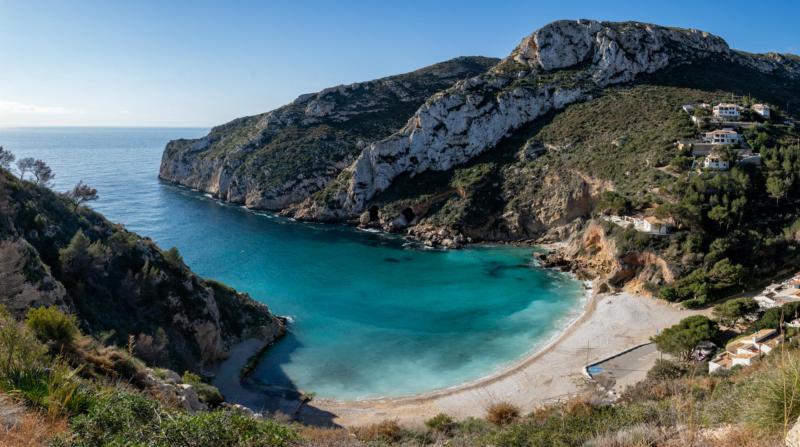
The coast offers incredible variety, from the vast, sandy beaches backed by dunes (Guardamar del Segura, San Juan in Alicante) to the dramatic, rocky coves and clear waters of the northern area (La Granadella in Jávea, or the areas around Cabo de la Nao). Water sports, including sailing, diving, and paddle boarding, are immensely popular.
Golf courses
The Costa Blanca is a premier golf destination, often referred to as a "golfer's paradise" due to the year-round playable weather and high concentration of championship courses.
- Las Colinas Golf & Country Club: Located in a protected natural valley south of Alicante, this is an award-winning championship course designed by Cabell B. Robinson. It is internationally ranked (often listed in the top 100 in Europe) and is known for its wide fairways, large undulating greens, and integration into the natural landscape.
- La Finca Golf: Situated in Algorfa, this championship course was designed by the renowned Spanish architect Pepe Gancedo. Opened in 2002, the par-72 course is famous for its bold and often challenging design, including unique features like an island green on the 5th hole and a square green on the 7th.
- Bonalba Golf: Located in Mutxamel, just 10 minutes from Alicante City and Playa de San Juan, Bonalba offers sensational sea views. Designed by Ramón Espinosa and built in 1995, this par-72 course features a challenging layout characterised by five large lakes that affect seven holes and a high number of strategic bunkers.
- Other Notable Courses: Alicante Golf (designed by Severiano Ballesteros, located in the heart of Playa de San Juan) and the two courses at Meliá Villaitana in Benidorm (designed by Nicklaus Design) further enhance the region's golfing prestige.
History and culture
The Costa Blanca is steeped in millennia of history, offering abundant opportunities to explore the legacies left by Iberian, Roman, Moorish, and Christian civilisations. You can explore the Santa Bárbara Castle, which dominates the skyline of Alicante City; perched high atop Mount Benacantil, this impressive fortress offers panoramic views and a deep dive into the region's military past.
A mandatory visit is the spectacular ancient palm grove (a UNESCO World Heritage Site) in Elche, known as the Palmeral de Elche, which features thousands of date palms planted since the time of the Moors.
Finally, you can enjoy the Moorish and Christian architecture in the inland town of Alcoy, which is particularly famous for its spectacular annual festival dedicated to the historic battles between the two cultures, showcasing the region's rich identity.

Festivals and culture
The local culture is rich in Spanish and Valencian traditions. Key festivals include:
- Hogueras de San Juan (St. John’s Bonfires): Held in Alicante City in June, featuring spectacular paper-mâché sculptures burned in the streets.
- Moors and Christians Festivals: Elaborate historical reenactments held throughout the province, with the largest and most famous occurring in Alcoy and Villajoyosa.
- Holy Week (Semana Santa): Major processions take place in Alicante City and Elche.
Visas for expats in Alicante
For citizens outside of the EU/EEA, Spain provides several pathways to residency:
- Non-Lucrative Visa (NLV): For those who are financially independent (often retirees) and do not plan to work locally. It requires proof of sufficient savings or passive income.
- Work Visa: Requires a contract of employment with a Spanish company, which must justify hiring a non-EU/EEA national.
- Digital Nomad Visa: Designed for remote workers and freelancers, offering up to five years of residency if a minimum income threshold is met, simplifying the process significantly for the growing expat demographic.
A crucial part of any application process is obtaining the Foreign Identity Number (NIE). For a detailed analysis of the different visa options, check out our article on Work Visas for Spain.
Professional international moving
Moving to Spain, especially from another country, can be a complex process. A professional international moving service can be a huge asset in ensuring a smooth transition. Companies with experience in the region can handle everything from packing and transport to customs and setting up your new home on the Costa Blanca. The companies listed below have a proven track record of handling moves to the Alicante region from the UK, Germany, Sweden, France, and the Netherlands, as well as many other countries:
- Matthew James Removals: This company is a top choice for expats from the UK, which is the largest expat group in the region. They are a British-owned company with significant experience in the Costa Blanca. They are renowned for their expertise in handling the complexities of post-Brexit moves and offer a range of services from full-house moves to part-loads.
- Britannia Southern: As the local representative of the Britannia Movers International group, this company has a long history and deep local knowledge of the Costa Blanca. They provide a full range of removal and storage services and are a highly reputable option, especially for British expats.
- Wisse Moving: This company is particularly important for expats from the Netherlands, Belgium, Germany, Sweden, and other Scandinavian countries. They have a strong physical presence in Spain and are known for their personalised service, with a dedicated move manager for each client. They have specialised expertise in routes between Spain and the Netherlands, as well as regular part-load services to Scandinavia.
- White & Company: As a major player in the international moving industry and a member of the British Association of Removers, White & Company is a reliable choice for expats from the UK and beyond. Their extensive network of depots and a long-standing reputation for quality service make them a trusted option.
- St George's European Removals: This company is a strong option for expats from a variety of European countries, including the UK, Germany, Portugal and France. They specialise in removals between these locations and Spain, with their own storage facilities in both regions. Their focus on weekly services and in-house expertise on customs procedures makes them a reliable and professional choice.
- Arsa Transport: This company specialises in moving services from all over the Netherlands, Switzerland, Germany and France to Spain's main destinations, including Alicante. They offer door-to-door services and cater to both small and large moves, making them a solid choice for expats, especially from the Netherlands.
The Costa Blanca provides a truly exceptional blend of affordable living, established expat communities, and unparalleled climate - a perfect combination for a successful relocation. To continue your journey and take the next step towards securing your new life in Spain, we encourage you to explore our extensive property listings right here on thinkSPAIN. Discover thousands of homes, from city apartments to coastal villas, and use our resources to find your ideal property in Alicante today.

Last updated: 30/10/2025
Was this article useful?
Related Topics
Related Articles