15 min read
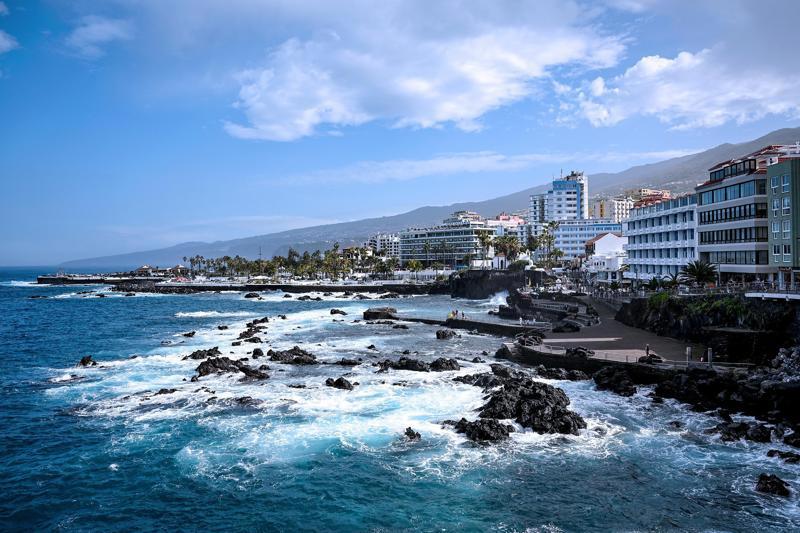
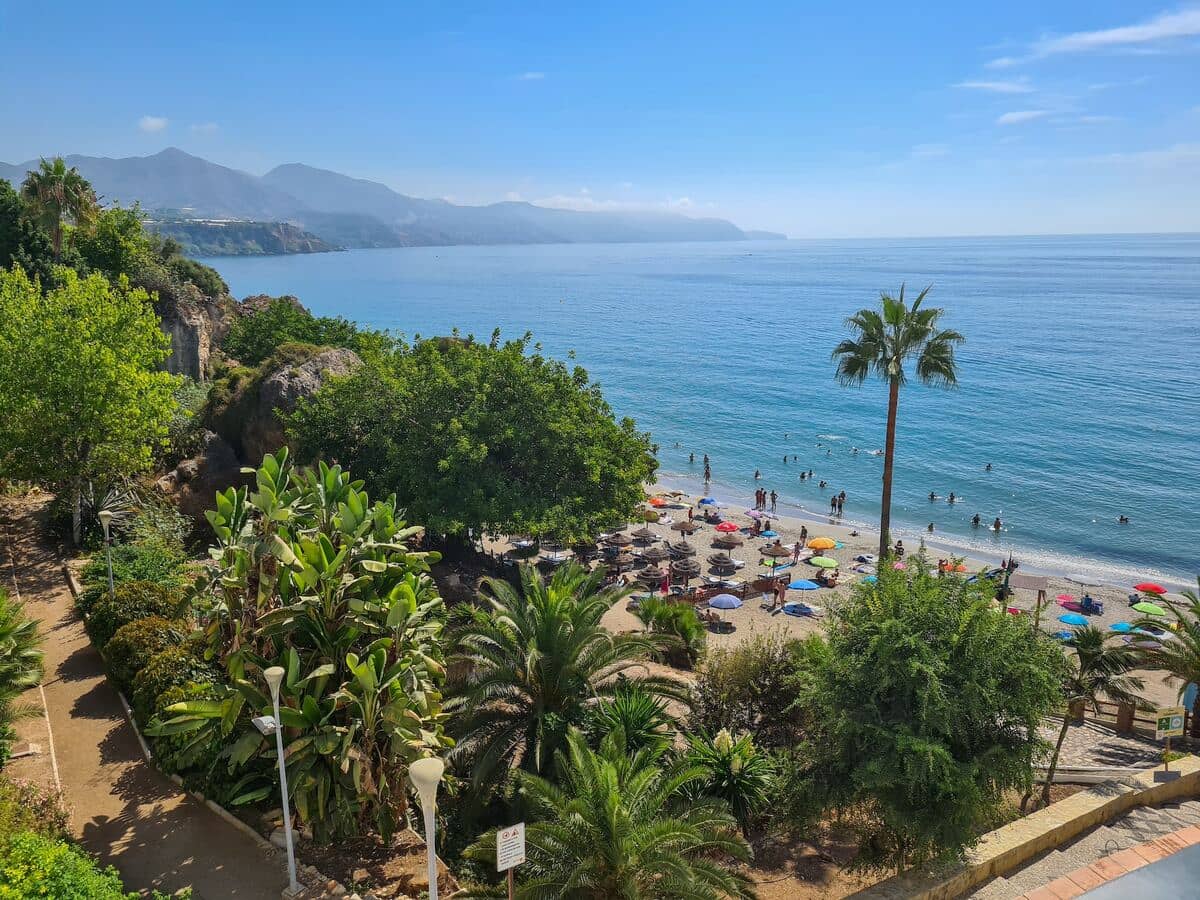
Buying a home on the Spanish coast is not typically a budget option, with property being in high demand and low supply in beach locations. But there are still areas where a main residence is relatively affordable, and in some cases – especially if you're seeking a holiday home – are actually cheap by European standards.
When giving average buying prices for the following towns, we have based these on a property of 100 square metres. This could be, perhaps, a spacious three-bedroom apartment, or a small villa. These prices, though, are not set in stone: Exact property type and location can alter the cost significantly.

The central hub of many coastal towns is often a few kilometres inland, and their beach neighbourhoods used almost exclusively by local residents in summer, when they move into their second homes. If you decided to live in the town proper, you would still be comfortably near enough to the beach to be able to enjoy it – typically a five- or 10-minute drive, or a 20-minute cycle ride away – and would be able to buy a home for considerably less.
Older properties – pre-2000 – are normally cheaper, and depending upon your willingness to refurbish your home and to what extent, you could save even more. Renovations needed might be merely cosmetic – ranging from repainting or, perhaps, retiling, through to replacing the kitchen and bathroom – or could involve major structural works. If the former is the case, you may even decide you can live with the original decades-old décor, particularly if you plan to use the property as a holiday home, if it means spending less.
If the property is not going to be your main residence, you won't need as much space, which will also reduce expenses.
Galicia
You might have expected the cheapest coastal properties in Spain to be found in the north, which has cooler and shorter summers and does not appear on the international beach tourism trail. This is not necessarily true, although eight of the 10 least-expensive seaside towns for homebuyers are in the far north-western region of Galicia.
This green and pleasant land is a far cry from what you would expect a Spanish Costa to look like. Instead of palm trees, you'll find a lush, grassy landscape that benefits from constant light in winter, autumn and spring, and more closely resembles that of northern Europe. Galicia's emerald scenery, rugged cliffs and multiple river deltas – or Rías - are often likened to Scotland and Ireland and, indeed, the region shares strong historical ties with both.
Galicia is an ideal choice if you're seeking somewhere 'totally Spanish', even in high holiday season – it's a popular staycation hotspot – and where summers, although very warm, are less scorching and humid than on the traditional Costas.
According to Tinsa (2025), Galicia's northern coast remains the most affordable in Spain at an average of around €159,000 for a 100m² home for coastal municipalities. The cheapest individual towns are in Lugo province: Burela (around €90,000–€110,000 for a 100m² home), Viveiro and Foz; in Pontevedra province: Marín, Boiro, and Vilagarcía de Arousa; and in A Coruña province: Ferrol and Ribadeo. Lugo province saw the sharpest price growth of any coastal province in 2025 (up 28.21% year on year), signalling rising demand — though prices remain among the lowest on Spain's coast.
Costa Cálida (Murcia Region)
Three of the coastal provinces with the cheapest properties are almost at the diagonally-opposite extreme to Galicia – in the south-east of the country. One of these is Murcia, a single-province region just south of the Costa Blanca, and one that much more closely reflects the standard image of a holiday-home destination.
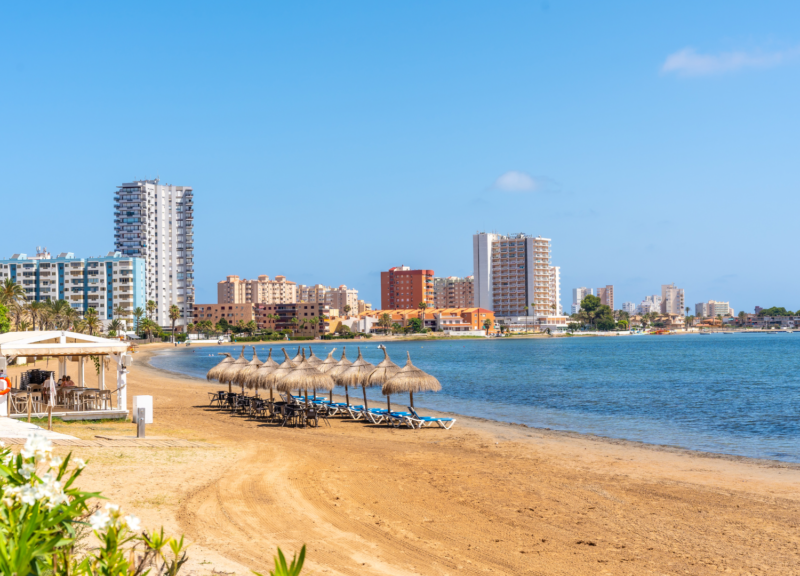
Golf courses, spa resorts and purpose-built urbanisations, and a large and well-established northern European community, the Costa Cálida was discovered by expatriates relatively recently in comparison with the Balearic and Canary Islands, the Costa Blanca and Costa del Sol, meaning it remains less expensive and less crowded. It has long been popular among Spanish nationals as a winter holiday destination, due to the warm year-round temperatures of the Mar Menor – an 'inland sea' enclosed on three-and-a-half sides by a narrow isthmus, or land strip, known as La Manga – in the Cartagena area.
Murcia averages around around €167,000 for a 100m² home, making it one of the three cheapest coastal provinces in Spain. Among the most affordable towns: Mazarrón (averaging around €191,000 for a 100m² home overall, with lower prices in the town centre away from the beach), La Unión, and Lorca. Note that prices in Murcia rose sharply in 2025 — up 23.5% year on year — reflecting fast-growing demand, so this area is becoming less of a quiet bargain than it once was.
Almería province
Just south of Murcia and in the vast region of Andalucía, the coast of the province of Almería is very multi-cultural. Nearly half the population of Níjar is foreign, as is around a third of the headcount in Vícar, El Ejido, and Roquetas de Mar. In Partaloa, Arboleas and Bédar, the number of non-Spanish residents rises to two-thirds.
Northern Europeans are a small minority, particularly the La Cañada neighbourhood and the out-of-town urbanisations – Roquetas de Mar, Mojácar, Arboleas, and Cuevas de Almanzora. Although much less numerous, Mojácar and Cuevas de Almanzora are home to established communities of German nationals.
Almería's lunar landscape, which includes Europe's only 'official' desert, the backdrop for numerous films, is also one of Spain's largest agricultural producers. Beaches on the Costa Almería are often rugged and unspoilt, albeit popular in summer.
Almería shares the huge Sierra Nevada National Park with its neighbouring province, Granada. As the Sierra is home to the only ski resort in the southern half of Spain, and one of the country's largest, the tourism industry continues year-round.
Almería averages around €150,000 for a 100m² home (end 2025, INE data), making it the second cheapest coastal province in Spain. The cheapest towns include Adra (around €126,000), Vícar (around €119,000 — down to around €87,000 in La Gangosa and €90,000 in Puebla de Vícar), Lubrín (around €70,000), and Roquetas de Mar (around €153,000). Properties under €100,000 can still be found in smaller towns and older resale stock, according to thinkSPAIN listing data, though these typically require some renovation.
Granada province — Costa Tropical
Directly west of Almería, the province of Granada is probably the only coastal holiday destination in Spain that is world-famous for something other than its beaches. Travellers from every continent head to Granada to visit the enormous Alhambra Palace complex, but its shoreline tends to be overlooked in favour of its nearest neighbour, the Costa del Sol.
Known as the Costa Tropical , Granada's coast is, in fact, close to the north end of the subtropics and enjoys a balmy year-round climate – contrasting with its short summers and cool autumns and springs farther inland. Relatively unspoilt, and calmer than most of the other Costas in Andalucía, this is precisely what attracts many of its European expatriates – meaning they are fewer in number, and more likely to 'blend in'.
Only around 10% of the Costa Tropical's inhabitants are foreign, and these are very diverse, representing up to 90 nationalities. In towns most popular with European residents, such as Almuñécar, Salobreña and Motril, around 30% of foreigners are British and German. A significant minority – especially in Almuñécar – come from the Scandinavian countries, France, and Italy.
Relatively unspoilt and calmer than most of Andalucía's other Costas, it averages around around €160,000 for a 100m² home — one of the most affordable coastal areas in Spain. Cheapest towns include Torvizcón (around €77,000), Albuñol (around €153,000), Los Guajares (around €90,000–€114,000), and Almuñécar (around €175,000–€210,000) — the last being the most popular with European residents, particularly British, German, and Scandinavian buyers.
Tarragona province — Costa Dorada
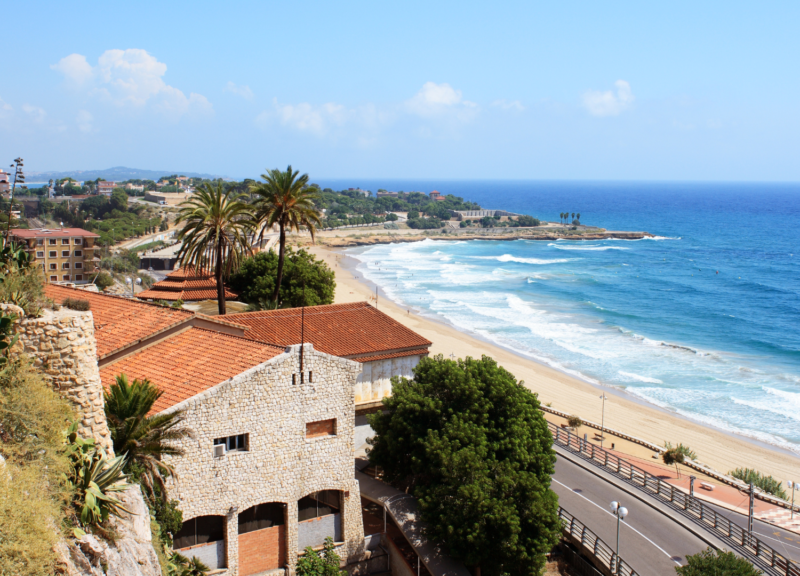
Ideal for those who want to live on the Catalunya coast but without the Barcelona prices, this Mediterranean province gets far less attention internationally than it deserves. It's not on the package resort trail, and is fairly rural, but without being isolated. Small towns and villages very close to each other mean you can live in a familiar, peaceful community, without having to sacrifice modern infrastructure and facilities. Expatriates make up a significant minority, but are very thinly-spread – easy enough to find, but also easy to avoid if you prefer total immersion in Spanish culture.
Tarragona's coastline, the Costa Dorada , is far less touristy than the Costa Brava and Costa Blanca, aside from its lively holiday hotspots of Reus, Salou and Cambrils, which are popular with Spanish nationals and, to a lesser extent, Europeans.
Otherwise, most tourism on the Costa Dorada centres on eastern Spain's largest marshland, the Ebro Delta, a key year-round rural holiday destination and a frequent natural retreat for residents taking day-trips.
Tarragona averages around €206,000 for a 100m² home across the coast, making it one of the more affordable Catalonian coastal options — though prices fell 7.1% in 2025 according to iAhorro data, suggesting some stabilisation after earlier growth. Among the cheapest towns for a 100m² home: Sant Carles de la Ràpita (around €147,000, ranging from €132,000 in the centre to €174,000 right on the beach), Alcanar (around €138,000), Ulldecona (around €110,000), Bonastre (around €88,000), Flix (around €84,000), and Valls (around €107,000).
Castellón province — Costa azahar
Directly south of the Costa Dorada, the province of Castellón is the most rural on Spain's east coast, with long distances and vast tracts of untouched countryside between small, historic villages, many with just a few hundred inhabitants. Most of Castellón is at a higher altitude than surrounding coastal areas, meaning temperatures are cooler and summers are less humid.
Despite its raw and rustic appearance, the province is fairly well connected, served by motorways and major inter-provincial highways and, up to around 30 kilometres inland, even the Valencia city metro.
The coast – known as the Costa Azahar – is much more developed, but considerably less so than most others in Mediterranean Spain. Beaches are never crowded, as most users are local, and holidaymakers usually national. Attempts to develop the Costa Azahar to draw in expatriates and foreign holiday-home owners never took off, with northern European resident numbers only in the low hundreds in Peñíscola and Alcalà de Xivert, and a few dozen in Benicarló, Vinaròs, Benicàssim, Oropesa del Mar, Villarreal, Burriana, and Moncofa.
Castellón is the cheapest of the three most affordable coastal provinces, averaging around around €149,000 for a 100m² home (end 2025, INE data) — though prices grew 12.9% in 2025, signalling increasing interest. Among the cheapest towns for a 100m² home: Càlig (around €109,000), Almassora (around €117,000), Villarreal (around €120,000), Nules (around €115,000), and Benicarló (around €161,000). Even the more popular coastal towns remain typically cheaper than most of Spain’s other Costas: Vinaròs (around €177,000), Oropesa (around €198,000), and Peñíscola (around €221,000) all average well below the national coastal mean.
La Safor (southern Valencia province)
This small coastal district of 31 towns and villages is the last stop in Valencia before the northern Costa Blanca and province of Alicante begin. An ideal location for those who would really like to live on the Costa Blanca but prefer lower prices and fewer expatriates, you'll be fully immersed in small-town Spanish life in La Safor, yet just minutes by road from a northern European community that expands in number the further south you travel.
Foreign residents in La Safor tend to be working-aged adults and families from Morocco and South America, and the northern European inhabitants are typically closest to the Alicante-province border.
The district's three main towns – the capital, Gandia, with around 76,000 residents, is three times the size of Oliva and four times that of Tavernes de la Valldigna. The other 28 municipalities are villages, but those along the coast almost join together, meaning all necessary facilities, services and infrastructure are close at hand. Oliva, the closest to the provincial border, has the largest northern European expatriate community, whilst in Tavernes, the most northerly, their presence is almost non-existent.
Towns with a beach are Oliva, Bellreguard, Piles, Miramar, Daimús, Guardamar de la Safor, Gandia, Xeraco, and Tavernes.
In all La Safor coastal towns, the beach neighbourhood is between two and five kilometres from the main hub, and sparsely occupied outside July and August. Most properties are summer homes owned by local families, and beach tourists are largely from inland Spain or France. This means they are peaceful areas most of the year, but you would need to drive to reach most everyday services, such as supermarkets and health centres.
Aside from the beach neighbourhoods, La Safor municipalities are 'working towns' and do not give the appearance of being holiday destinations, so they are suitable for those who don't want to live an expatriate lifestyle. Property within the towns can be as much as 50% cheaper than in the coastal hubs.
Gandia averages around €173,000 for a 100m² home — genuinely competitive for a Mediterranean coastal town with good infrastructure. Oliva averages around €130,000–€163,000 for a 100m² home, and Tavernes de la Valldigna around €118,000–€165,000, making it one of the most affordable coastal towns in the Valencia province.
Cádiz and Huelva — Costa de la Luz
The Costa de la Luz runs for over 200 kilometres along the Atlantic coast of Andalucía, taking in the provinces of Cádiz in the east and Huelva in the west. It is one of the least developed of Spain's major Costas, known for its wide, unspoilt Atlantic beaches, powerful surf, and strongly Andalucían character — a world away from the resort infrastructure of the Costa del Sol just to the east.
For buyers looking for authenticity and lower prices than Málaga or Alicante can offer, the Costa de la Luz is an increasingly compelling option. Prices across the coast average around €180,000–€210,000 for a 100m² home, with Huelva province in particular among the most affordable Atlantic coastal markets in Spain. Towns with the lowest prices for a 100m² home include Algeciras (around €140,000–€160,000), Ayamonte and Cartaya in Huelva province (around €120,000–€150,000), and Chiclana de la Frontera in Cádiz province (around €185,000–€210,000). Cádiz and Huelva prices fell slightly in 2025 according to iAhorro data, suggesting good negotiating conditions for buyers.
The trade-off is a shorter reliable season than the Mediterranean coast and fewer international flights — though Seville, Jerez, and Faro airports all serve the area. The expat community is smaller and more scattered than on the Costa Blanca or Costa del Sol, which is part of the appeal for buyers who want a more immersive Spanish lifestyle. Search for properties on the Costa de la Luz.
Asturias — the Green Coast
Often called "Green Spain", Asturias is an autonomous region on the Bay of Biscay in northern Spain — one of the greenest and most ecologically preserved parts of the country. Its coastline combines rugged cliffs, natural parks, and sandy Atlantic beaches with a quiet, authentic pace of life that appeals to buyers looking for something completely different from the Mediterranean Costas.
Asturias has one of the lowest average property prices of any coastal region in Spain, at around €134,000 for a 100m² home — among the most affordable in the country, according to 2025 Ministry of Transport data. The largest coastal town, Gijón, averages notably higher as a city, but smaller coastal towns and inland villages offer exceptional value. In towns such as Avilés, Cudillero, and Llanes, 100m² homes can be found in the range of €80,000–€130,000, with traditional stone houses with land often available for considerably less. Demand has been growing — Asturias recorded a 14.9% increase in coastal property transactions in 2024, among the strongest on Spain’s northern coast — driven partly by remote workers attracted by the quality of life and lower costs.
The trade-offs are real: summers are shorter and wetter than on the Mediterranean, and international connections are more limited, served primarily by Asturias Airport near Oviedo. But for buyers prioritising value, natural beauty, and an immersive Spanish experience over guaranteed sunshine, Asturias deserves serious consideration. Search for properties in Asturias.
Of course, a coastal area not known for being one of the cheapest may still have low-priced homes for sale. A high number of luxury properties would force up the average price reported for a town, but this might not be reflected in more 'ordinary' and 'everyday' properties on the market. If your heart is set on a given location that seems to be beyond your budget, don't give up just yet – you could try searching others very close to it, and create an alert for newly-advertised homes within your price range. Our Find Your Place in Spain section will help you explore all the options.
Frequently asked questions
Where is the cheapest coastal area to buy property in Spain?
According to Tinsa and INE data for 2025, the three cheapest coastal provinces in Spain are Castellón (averaging around €149,000 for a 100m² home), Almería (€150,000), and Murcia (€167,000). In Galicia, some individual towns average well under €100,000 for a 100m² home — the lowest prices on Spain’s entire coast. That said, prices in all these areas have risen significantly over the past two years and continue to increase.
Can I find houses for sale near the beach in Spain for under €100,000?
Yes — but increasingly only with specific conditions. Properties under €100,000 near the coast are most commonly found in Almería, Murcia, Galicia, and Castellón. They tend to be older resale stock, smaller in size (studios or one-bedroom apartments), or located a short distance from the beach rather than on the front line. Properties requiring some renovation also sit in this price range more consistently. Expect to be flexible on location, size, or condition to find genuine value at this level in 2025–2026.
What is the cheapest Costa to buy property in Spain?
By average price per square metre, the Costa de Almería and the Costa Azahar (Castellón) are consistently the cheapest of Spain's named Costas. The Costa Cálida in Murcia follows closely. All three have seen strong price growth in 2025 but remain significantly below the national coastal average. The Costa de la Luz in Cádiz and Huelva is also competitive and attracts fewer international buyers, which keeps prices lower.
Are coastal property prices in Spain still rising?
Yes. According to Tinsa's Vivienda en Costa 2025 report, average prices across Spain's coastal municipalities rose 7.2% year on year in Q1 2025. Second homes specifically rose 12.1%. The areas covered in this article remain the most affordable on Spain's coast, but no coastal area has seen prices fall significantly. The average property prices by region in Spain covers the national picture in full.
Is it worth buying a property to renovate in Spain near the coast?
It can be — particularly in Galicia, Almería, Castellón, and the Costa de la Luz, where older properties in need of renovation can represent significant savings on the purchase price. The important thing is to understand the full cost of works before committing. Always engage an independent lawyer before purchasing, and read our guide to renovating a house in Spain for a realistic overview of what to expect.

Last updated: 03/09/2026
Was this article useful?
Related Topics
Related Articles