- Housing: rentals vs. permanent living
- Work and employment realities
- Cost of living: more than meets the eye
- Healthcare in Spain: Great, but not perfect
- Climate: sunshine versus seasonal extremes
- Language barriers: integration takes effort
- Building social connections
- Cultural adjustments: flexibility required
- Bureaucracy: a test of patience
- Raising children in Spain
- Retirement in Spain
- Living the real Spain: preparation is key
9 min read
Spain, with its sun-drenched beaches, fiestas, and relaxed lifestyle, is often romanticised as an idyllic paradise. It’s no surprise that millions of tourists flock here annually, and many eventually decide to make it their home. However, for those who take the leap from being a visitor to becoming a resident, the realities of living in Spain often contrast sharply with the image formed during short holidays. Below, we delve into the many facets of life in Spain, exposing the nuances that foreigners experience and and showcasing the opportunities available for those willing to adapt and plan.

Housing: rentals vs. permanent living
During holidays, staying in a charming Airbnb or seaside resort can give the impression that housing in Spain is easy and affordable.
However, as a resident, the experience is often more complex. Rental prices in cities such as Barcelona, Madrid, and Valencia have soared due to high demand and competition. A modest two-bedroom apartment in central Barcelona, for example, can cost over €1,200 per month. Unlike a holiday booking, securing a rental as a resident requires extensive documentation, including proof of income, work contracts, and deposits. While this process involves preparation, it offers you a valuable opportunity to better understand the local market and find a home that truly suits your lifestyle.
If you’re willing to look outside major city centres or explore up-and-coming neighbourhoods, you’ll find excellent value for money compared to other parts of Europe. Small towns and rural areas offer affordable rentals and stunning natural surroundings. Additionally, Spain’s relaxed lifestyle and lower property prices make buying property a realistic goal for many expats.
Buying property in Spain might initially seem appealing because of comparatively lower prices. However, buying costs, including taxes, legal fees, and ongoing maintenance, can quickly add up. For guidance on the things to consider when buying a property in Spain, understanding the step-by-step process for foreign buyers, or navigating average house prices compared to other countries, careful research is essential.
Careful research and professional advice can help you navigate these challenges. With thorough preparation, buying property in Spain can be a rewarding long-term investment, offering both stability and a chance to integrate fully into Spanish life.
Work and employment realities
Tourists visiting Spain often see bustling markets, lively restaurants, and thriving cultural events, assuming job opportunities are plentiful. While the job market can be competitive, there are still many opportunities for expats willing to adapt.
Unemployment rates in Spain are among the highest in Europe, particularly for young people. Expats who are just starting out may find roles teaching English, freelancing remotely, or working in international companies as excellent stepping stones. Spain’s growing economy and increasing opportunities for remote work mean that expats can carve out fulfilling careers. Teaching English remains a reliable entry point, while remote work allows professionals to enjoy Spain’s lifestyle without being tied to local employment markets.
Learning Spanish, gaining qualifications in in-demand sectors, and exploring freelance or entrepreneurial opportunities can greatly improve your prospects. Many expats successfully transition to stable careers by leveraging their unique skills and international experience. Additionally, Spain’s digital nomad visas offer a smooth path for remote workers seeking to live and work in this vibrant country.
Securing a job may also involve navigating Spain’s bureaucratic processes. However, with proper preparation and guidance—such as understanding the requirements for obtaining work permits, Social Security numbers, and residency—many expats find the process manageable. For advice on securing your first job in Spain or identifying the top jobs for expats, preparation is key.
Cost of living: more than meets the eye
During holidays, the cost of living in Spain might seem extraordinarily low. A glass of wine for €2 and a plate of tapas for €4 appear to promise a life of affordable indulgence. However, you’ll find that day-to-day expenses paint a more nuanced picture. Heating in winter and air conditioning in summer can drive up bills.
Dining out and entertainment remain remarkably affordable, even in major cities. Local markets provide fresh produce at very low prices, helping you balance your budget while enjoying a healthy Mediterranean diet. Smart budgeting and energy-saving practices can offset higher costs. Many expats find that adopting Spanish habits, like shopping locally and embracing a simpler lifestyle, makes Spain an affordable and fulfilling place to live.
Healthcare in Spain: Great, but not perfect
Spain’s healthcare system is frequently praised for its quality and accessibility. For EU citizens with an EHIC card or residents who pay into Social Security, public healthcare is virtually free, with nominal costs for prescriptions. Hospitals and clinics are well-equipped, and doctors are highly trained.
In urban areas, waiting times for non-urgent appointments can be longer than expected, but the system ensures high-quality care for everyone. Smaller towns might have fewer English-speaking professionals, but this often encourages expats to improve their Spanish, enhancing their overall experience.
For those seeking faster service, private health insurance in Spain is often an attractive option, with premiums ranging from €50 to €200 per month depending on age and coverage. To learn more about Spain’s national healthcare system, resources are available to help expats make informed decisions.
Climate: sunshine versus seasonal extremes
Spain’s sunny climate is one of its biggest draws, but living here reveals its complexities. Spain’s climate diversity allows you to choose a region that suits your preferences. Whether you love endless summers or prefer a milder coastal climate, Spain offers options for every lifestyle.
Coastal areas like Costa del Sol offer year-round warmth, but inland regions such as Madrid and Castilla y León experience extreme temperatures—scorching summers and surprisingly cold winters. While older homes may lack central heating, this presents a chance to embrace a more sustainable and resourceful lifestyle. Investing in proper insulation and energy-efficient heating or cooling systems can significantly improve comfort. Many expats also choose to live near the coast, where the temperatures are more moderate.
Language barriers: integration takes effort
Tourists often get by in Spain with basic Spanish or English, especially in major cities and tourist areas. However, living here requires a deeper linguistic commitment. Everyday tasks like setting up a bank account, dealing with utility companies, or even shopping in local markets can be challenging without a good grasp of Spanish.
In some regions, such as Catalonia, Galicia, or the Basque Country, regional languages like Catalan, Galician, and Basque are widely spoken alongside Spanish. While not always essential, understanding these languages can significantly enhance integration and acceptance in the community.
Learning the language opens doors to deeper connections, better job opportunities, and a richer cultural experience. Spaniards are generally appreciative of expats who make an effort to integrate. Language classes are available in most cities, but mastering the language requires time and consistent effort—something many expats underestimate. By practising consistently and immersing yourself in local life, you’ll see significant progress over time, making it easier to feel at home.
Building social connections
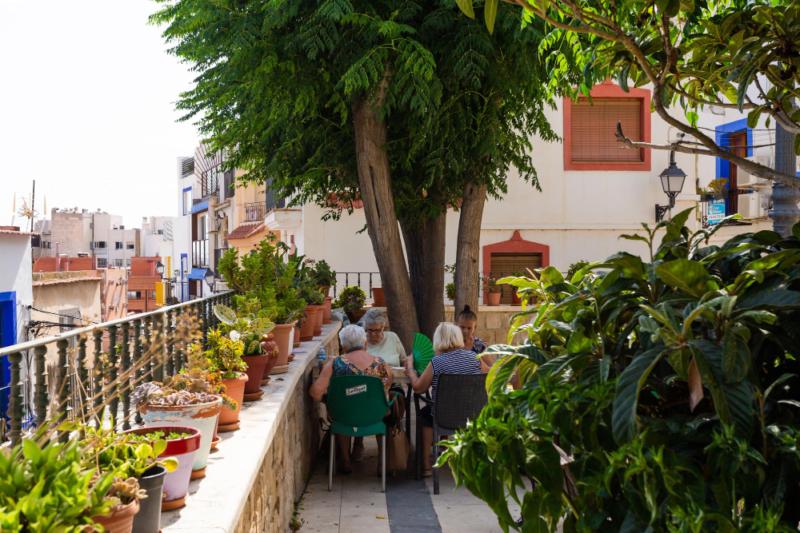
During holidays, Spaniards’ warmth and hospitality are often highlighted as a cultural hallmark. However, forming deeper connections as a resident can be more complex. Spanish social circles are often deeply rooted, with lifelong friends and close family ties taking precedence. Breaking into these tight-knit groups requires patience and effort.
Spain’s community life, from local festivals to clubs and social events, provides an ideal environment to meet people and feel connected. Once you form friendships, they tend to be deep, loyal, and long-lasting. Expats can join local clubs, attend community events, or take classes to connect with locals. Being open, proactive, and enthusiastic will quickly help you build a sense of belonging and a strong support network.
Cultural adjustments: flexibility required
Many foreigners are drawn to Spain for its relaxed pace of life, imagining a daily routine of siestas and leisurely meals. While it’s true that Spaniards value work-life balance, adapting to Spanish culture and values takes flexibility and an open mind.
Spaniards enjoy a spontaneous and social way of life that promotes deep relationships and a healthier work-life balance. Long lunch breaks and late dinners encourage quality time with friends and family, creating a strong sense of community. Embracing Spain’s rhythm will help you integrate smoothly. Understanding the cultural emphasis on spontaneity over rigid plans allows you to fully enjoy Spain’s relaxed and joyful lifestyle.
Bureaucracy: a test of patience
One of the most challenging aspects of living in Spain is dealing with its infamous bureaucracy. Whether it’s obtaining a residency card (TIE), registering with the local town hall (empadronamiento), or renewing a driver’s licence, the process often involves multiple visits, endless paperwork, and long waits.
With proper preparation and guidance, most expats successfully navigate Spain’s systems. Completing these processes also ensures you’re fully integrated into Spanish life, giving you access to local services and benefits. Preparing documents in advance, seeking local guidance, and being patient will make the process much smoother. Many expats also find that using local professionals, such as gestorías, simplifies bureaucratic tasks significantly.
Raising children in Spain
Spain is a family-oriented country, and this ethos is reflected in its policies and culture. Schools are affordable, and children’s extracurricular activities are well-integrated into community life. However, the education system’s focus on rote learning can surprise those accustomed to more flexible, creativity-driven approaches.
Spain’s emphasis on family means children grow up in a welcoming environment with plenty of opportunities for education, recreation, and socialisation.Balancing integration with maintaining home culture is often a challenge for families. For expats, understanding how to make moving to Spain with children work can help ease the transition. International schools, while excellent, can be expensive, and public schools may lack resources to support non-Spanish-speaking children initially.
Retirement in Spain
Spain is a top retirement destination, but the realities go beyond the idyllic image of leisurely days by the sea. Retirees must navigate healthcare options and social considerations to make the most of their retirement.
Spain’s affordable cost of living, pleasant climate, and excellent healthcare make it an ideal choice for retirees seeking a high quality of life. Researching the best places to retire, understanding healthcare options, how much money you'll need to retire comfortably and joining expat communities can ensure a smooth transition. Active involvement in local life helps retirees feel connected and fulfilled during their time in Spain.
Living the real Spain: preparation is key
Moving to Spain offers immense rewards—rich culture, diverse landscapes, and a relaxed lifestyle—but it requires preparation and adaptability. The realities of housing, employment, and cultural integration differ significantly from the holiday experience. By understanding these contrasts and planning accordingly, you can create a fulfilling and sustainable life in Spain.
Despite any initial challenges, Spain remains one of the most popular expat destinations for its exceptional quality of life, affordable healthcare, and welcoming culture. Those who embrace Spain’s opportunities and lifestyle often find it incredibly rewarding.
If you’re ready to explore the possibilities, check out our comprehensive relocation guides and property listings to make informed decisions about your move.

Last updated: 04/02/2025
Was this article useful?
Related Topics
Related Articles